Custom Clothing Printing & Embroidery Services
From screen printing and DTF to flat embroidery and 3D puff -- we apply the right decoration technique to match your design, fabric and brand standard, from sample confirmation through to bulk production.
From Logo File to Finished Garment
Every decoration project follows a structured path -- artwork review, technique selection, sample confirmation and production -- to ensure the final result matches your brief.
Artwork & File Review
Submit your logo, vector file, reference image or design brief. We review artwork format, resolution, color mode and dimensions before recommending a technique.
Technique & Fabric Matching
We match the decoration method to your fabric type, design detail, garment style and finish requirements -- screen print, DTF, embroidery or a combination.
Sample & Strike-Off Confirmation
A print strike-off or embroidery sample is produced for color, placement and effect approval before committing to bulk production.
Bulk Production & QC
Decoration is applied in production under defined quality checkpoints covering registration, color consistency, stitch count, placement and wash durability.
What to Prepare Before Submitting
Providing the right files at the start speeds up the review and reduces back-and-forth during sampling.
- Vector files (AI, EPS, PDF) for clean print and embroidery conversion
- High-resolution raster files (300 dpi minimum) for digital techniques
- Pantone or CMYK color references for accurate color matching
- Placement diagram showing position and size on the garment
- Reference images or physical samples showing the intended finish
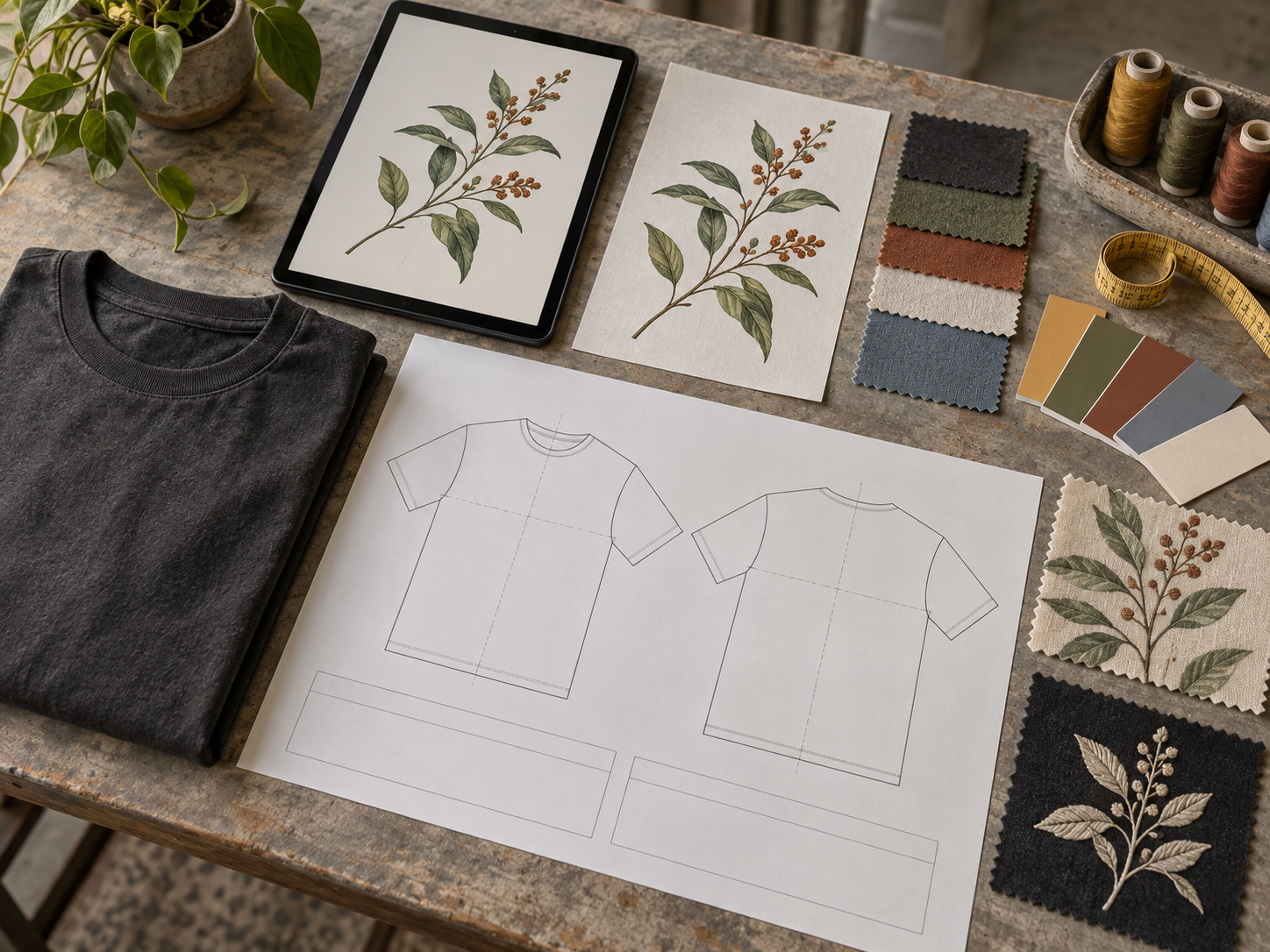
Screen Printing, Heat Transfer & More
We support multiple printing methods to suit different design complexity, fabric types, order quantities and finish requirements.
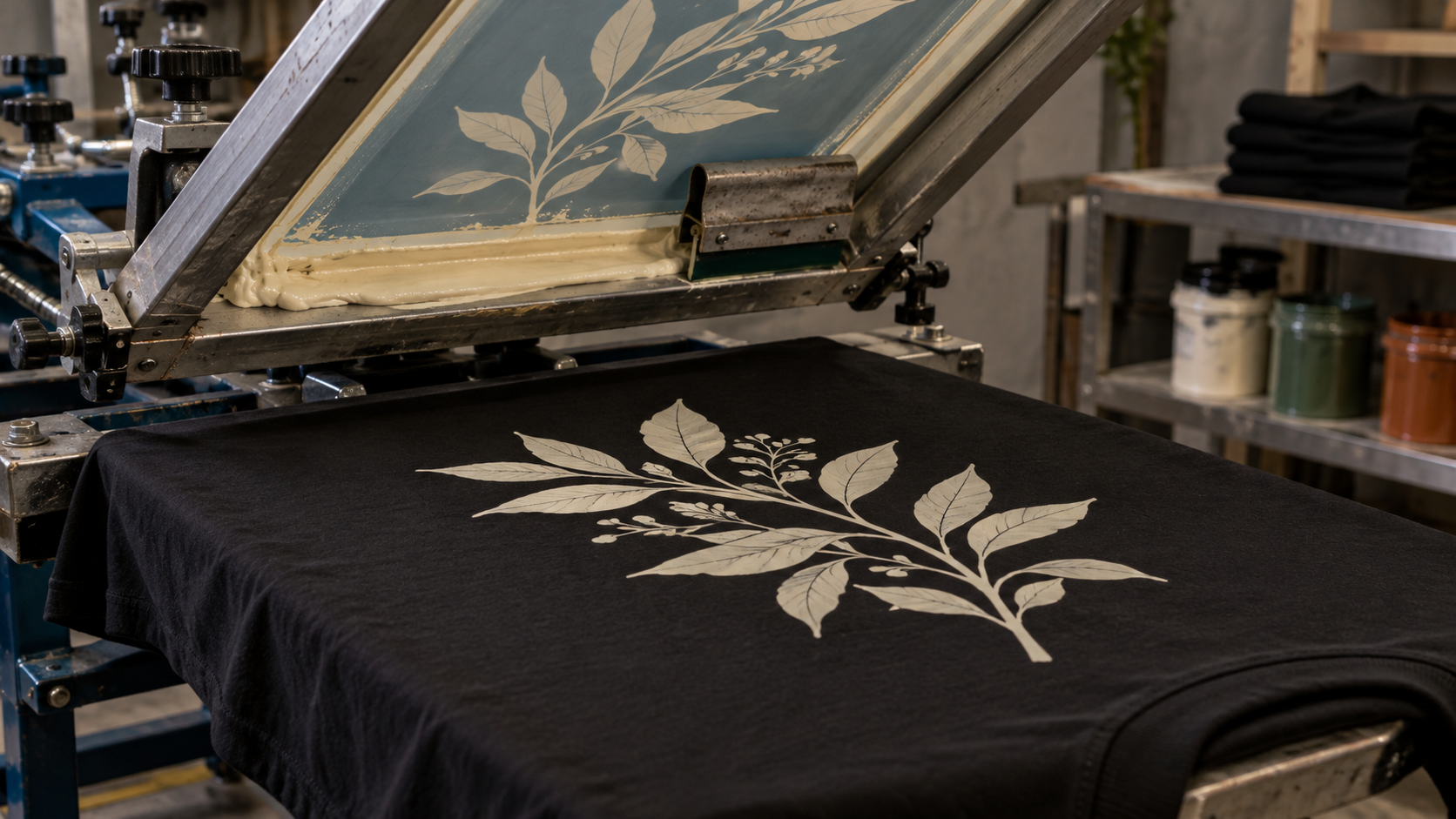
Screen Printing
Ink pushed through a mesh screen onto fabric -- best for bold, solid-color graphics and large runs with consistent results.
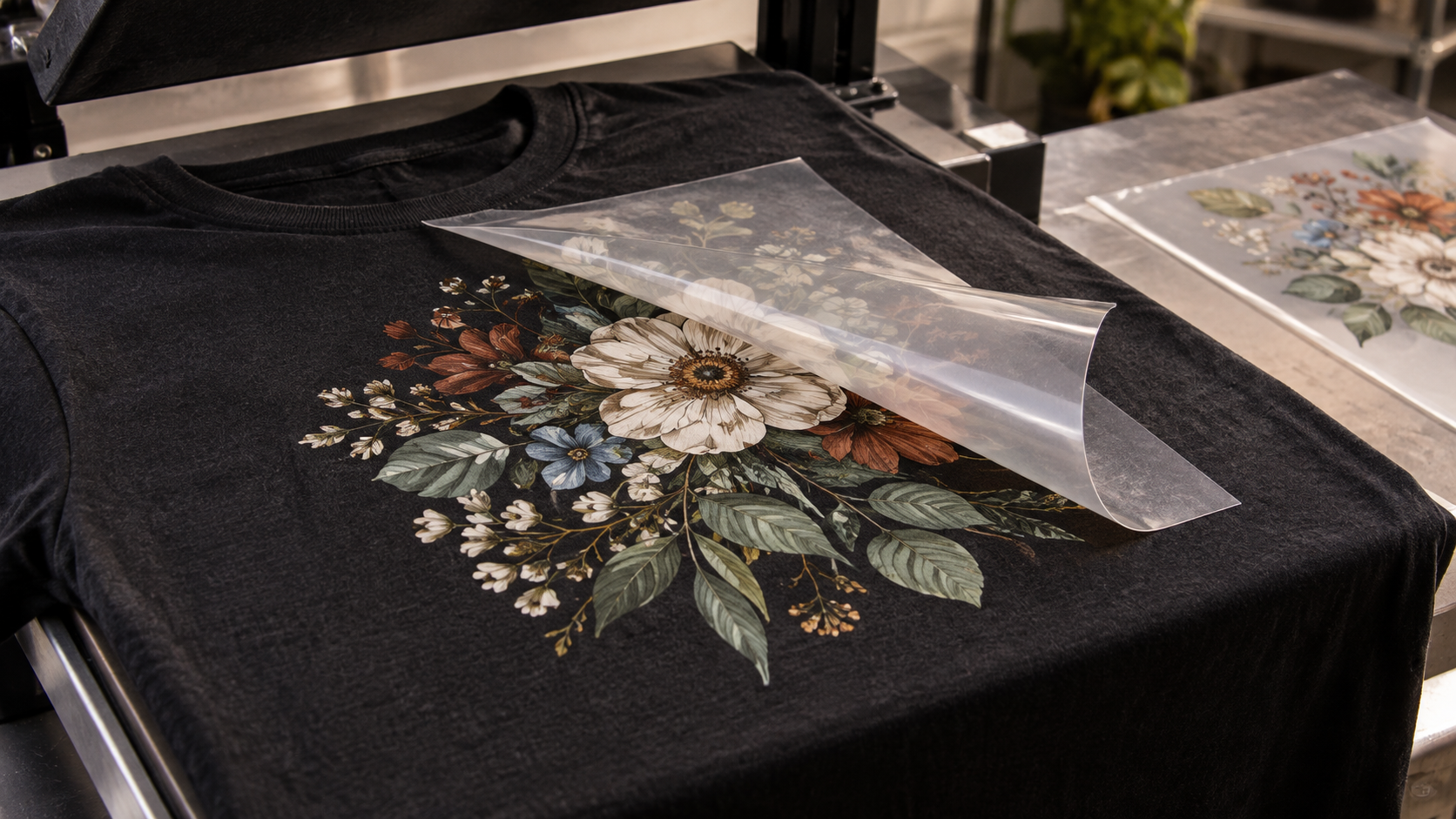
DTF -- Direct-to-Film
Full-color design printed onto transfer film and heat-applied -- handles photographic gradients, fine lines and multi-color artwork without screen setup.
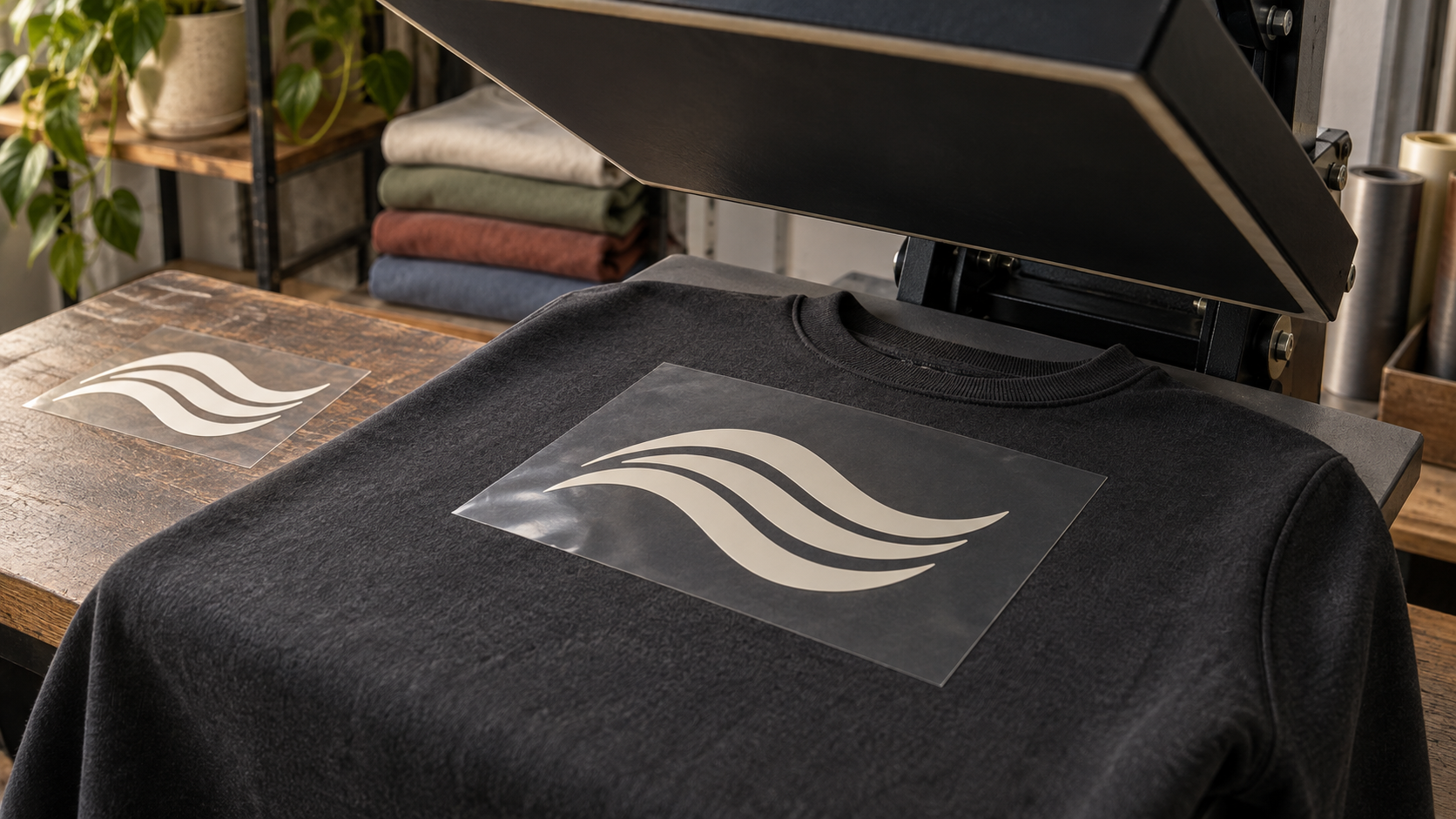
Heat Transfer Printing
Pre-printed transfers bonded to fabric with heat and pressure -- suitable for name, number, and graphic applications on sportswear and streetwear.
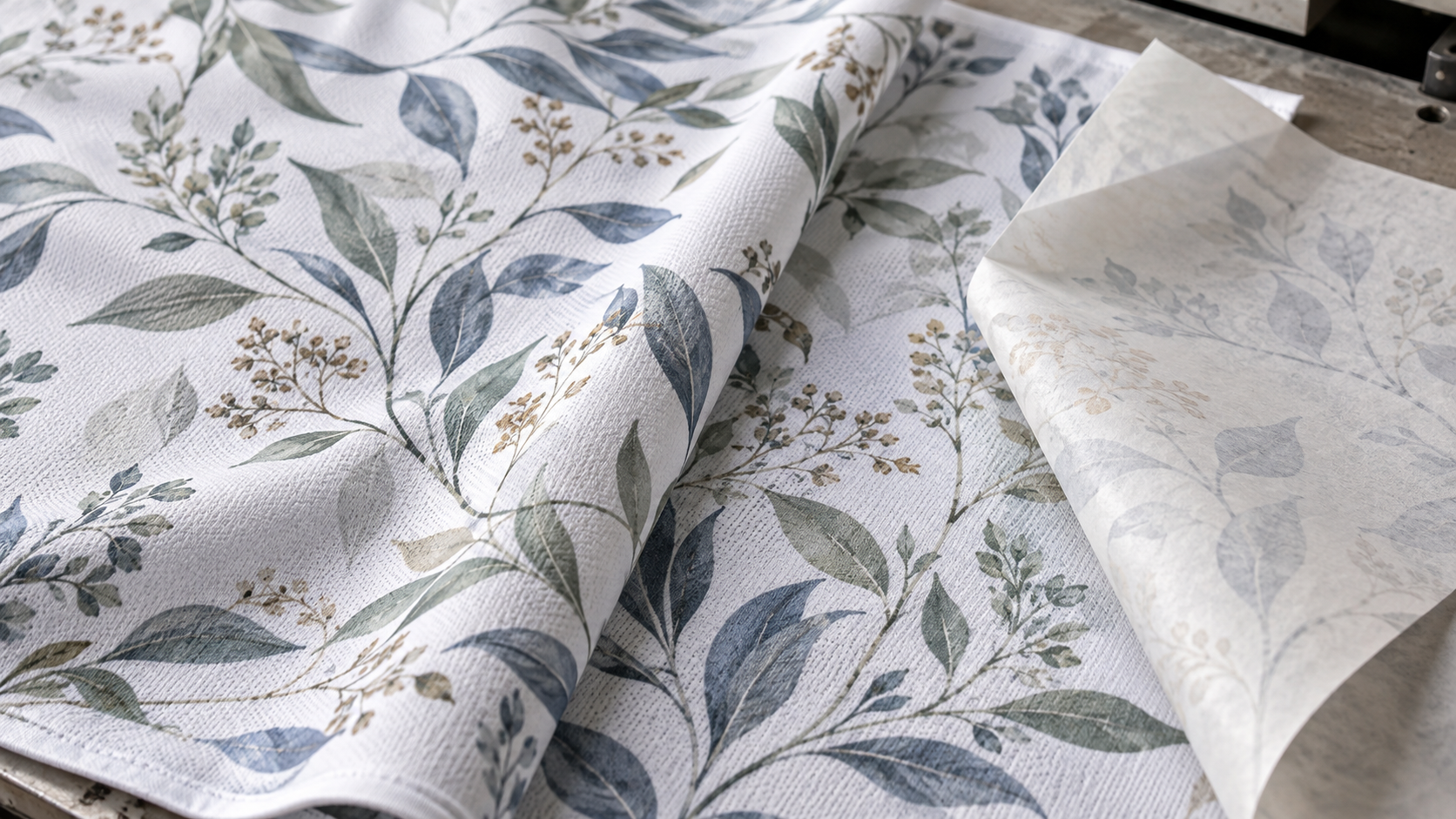
Sublimation Transfer
Dye sublimated into polyester fibers for permanent, all-over color with no hand feel -- ideal for full-coverage prints and performance activewear.
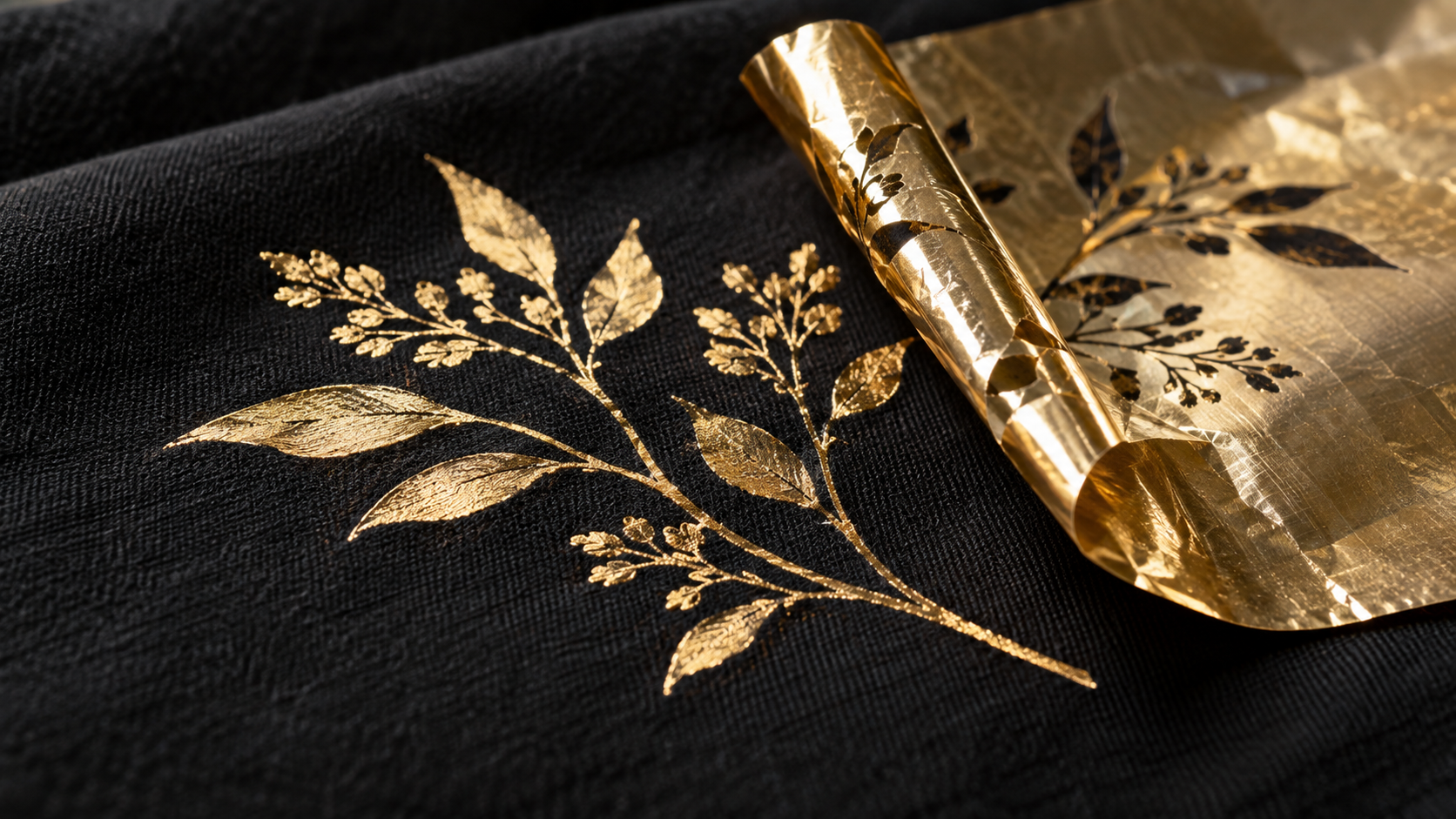
Foaming / Puff Print
A raised, three-dimensional effect created with expandable ink -- widely used in streetwear for bold logo treatment and tactile brand statements.
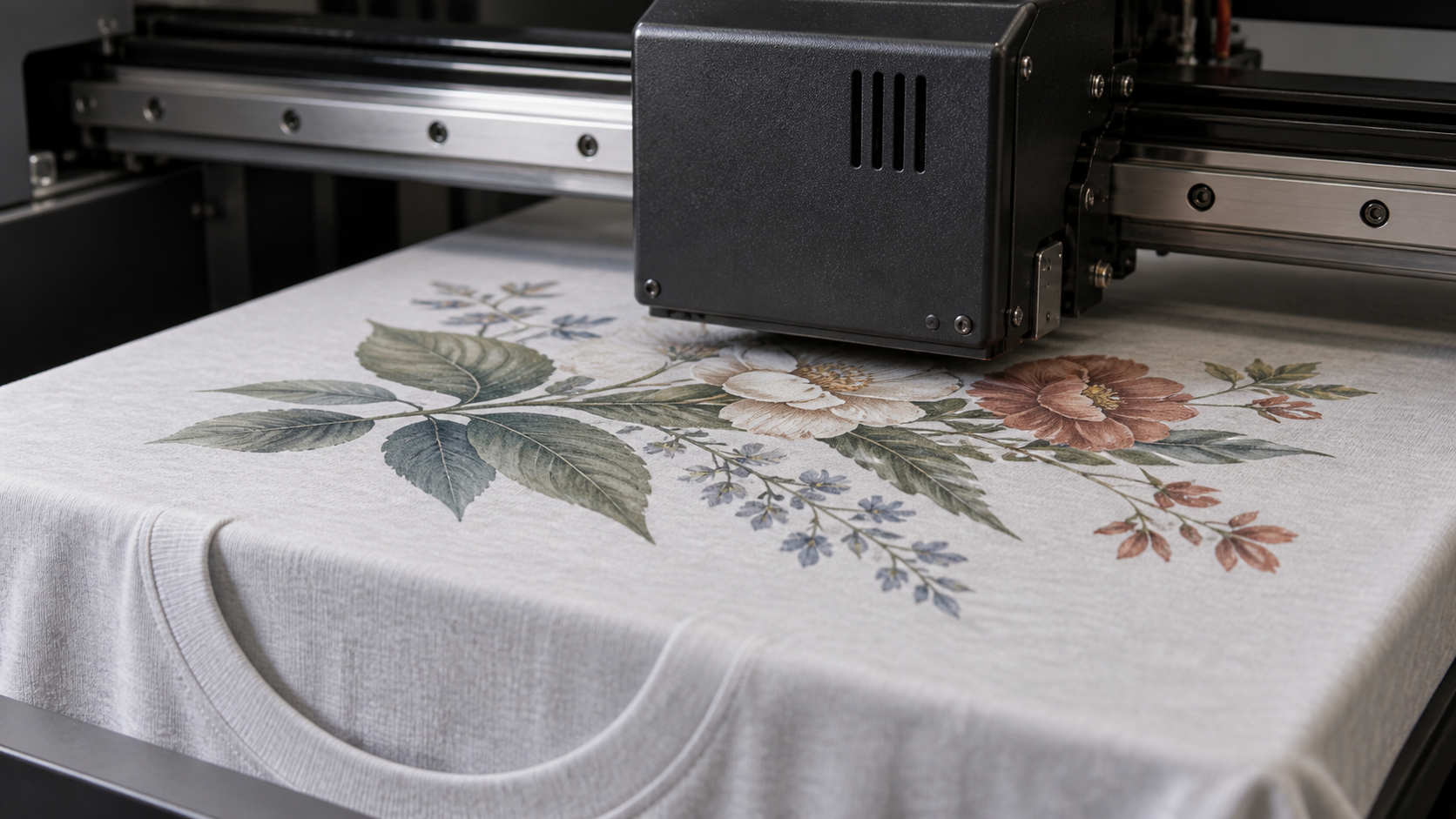
Digital / DTG Printing
Inkjet printing directly onto fabric for photographic-quality results -- best suited for small-batch sampling or complex artwork not requiring large quantities.
Flat, 3D Puff, Appliqué & Patch Embroidery
Embroidery adds structure and permanence to brand logos and artwork. We digitize designs and select the right technique to match your garment weight and finish requirement.
- Custom digitization for each design and stitch method
- Stitch density and underlay adjusted for fabric type
- Thread color matched to Pantone or supplied reference
- Backing and topping materials selected per fabric
- Sample approval before bulk embroidery run
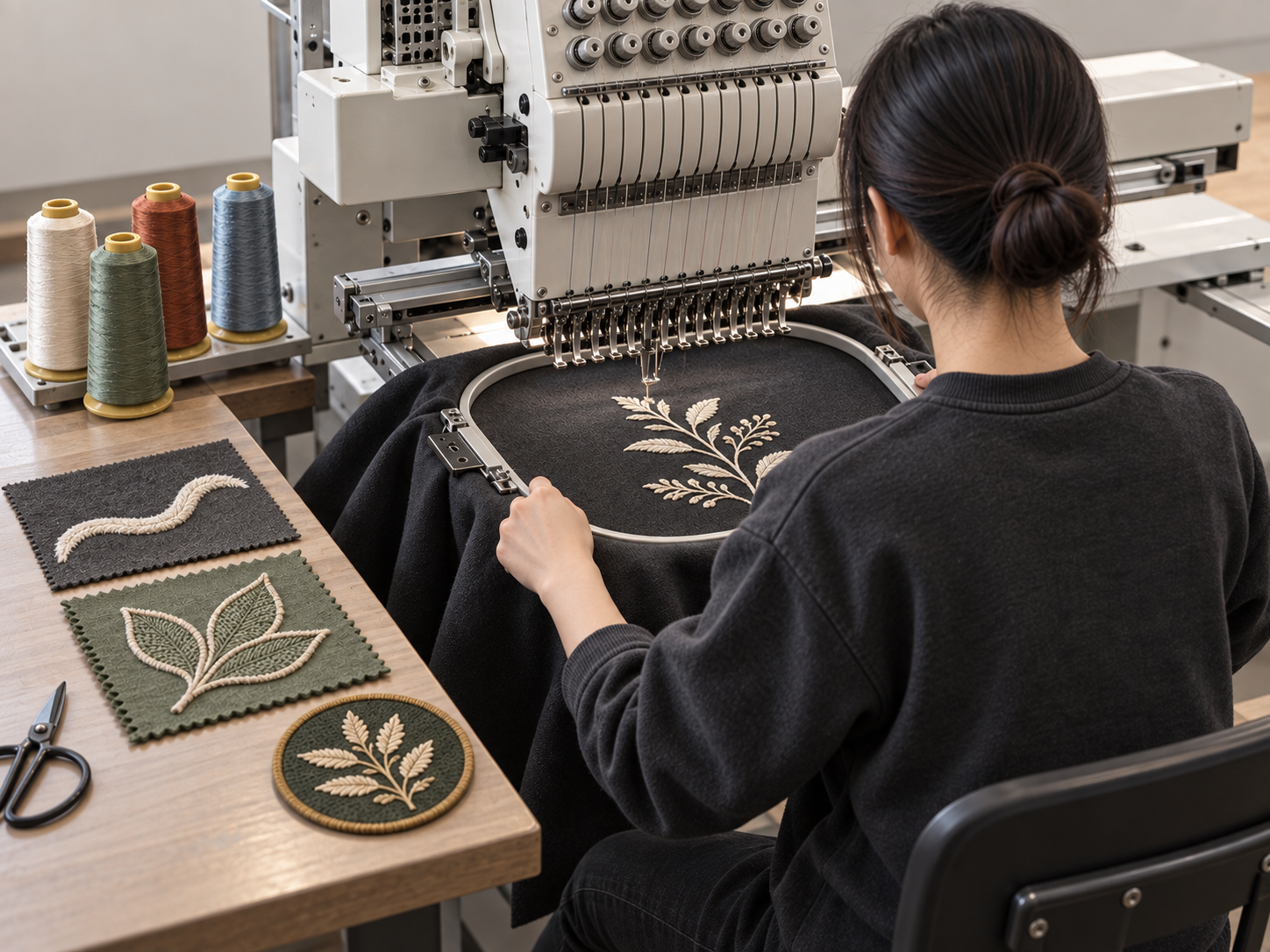
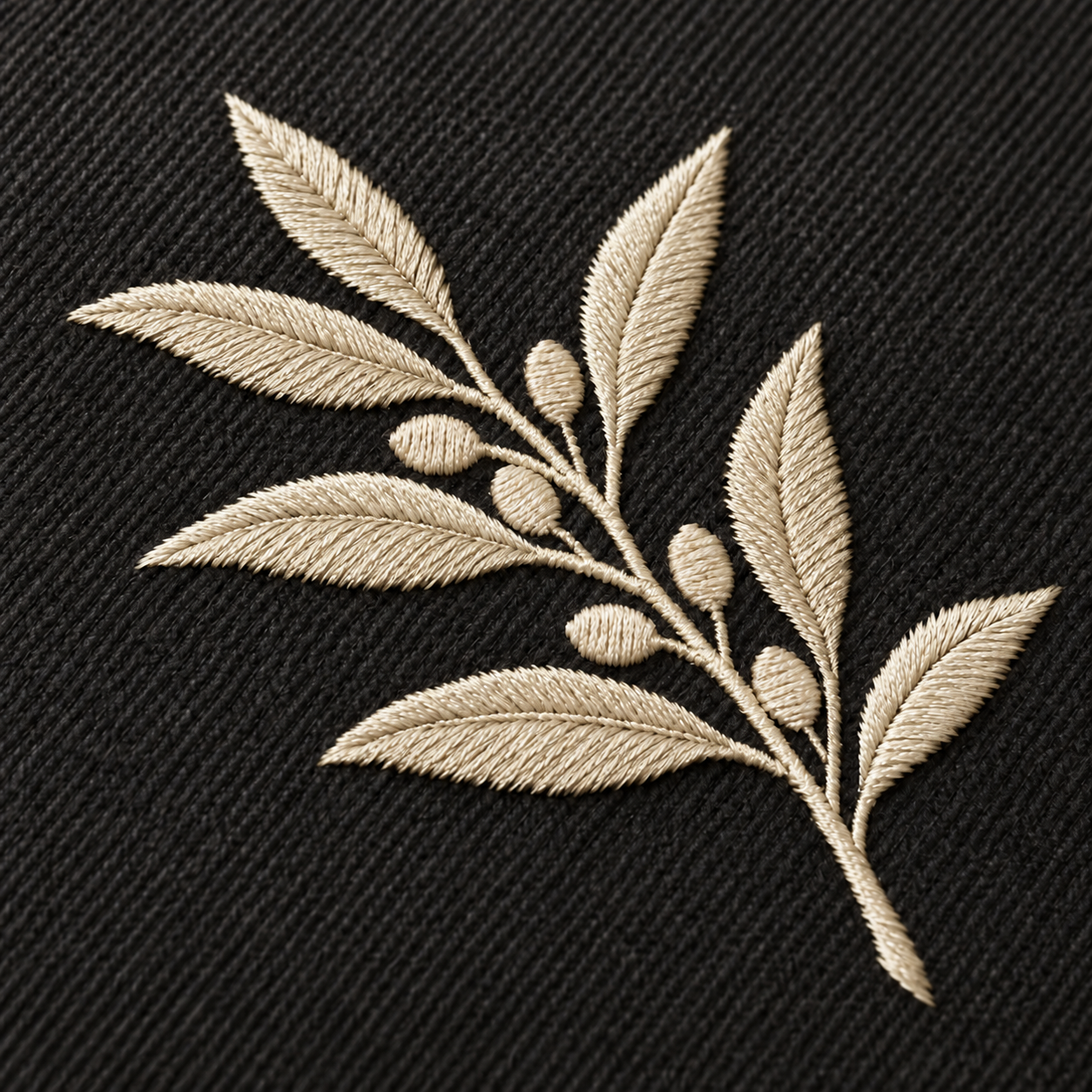
Flat Embroidery
Standard satin and fill stitches laying flat against the fabric -- precise for logos, text and structured graphic marks on chest, sleeves and back yoke positions.
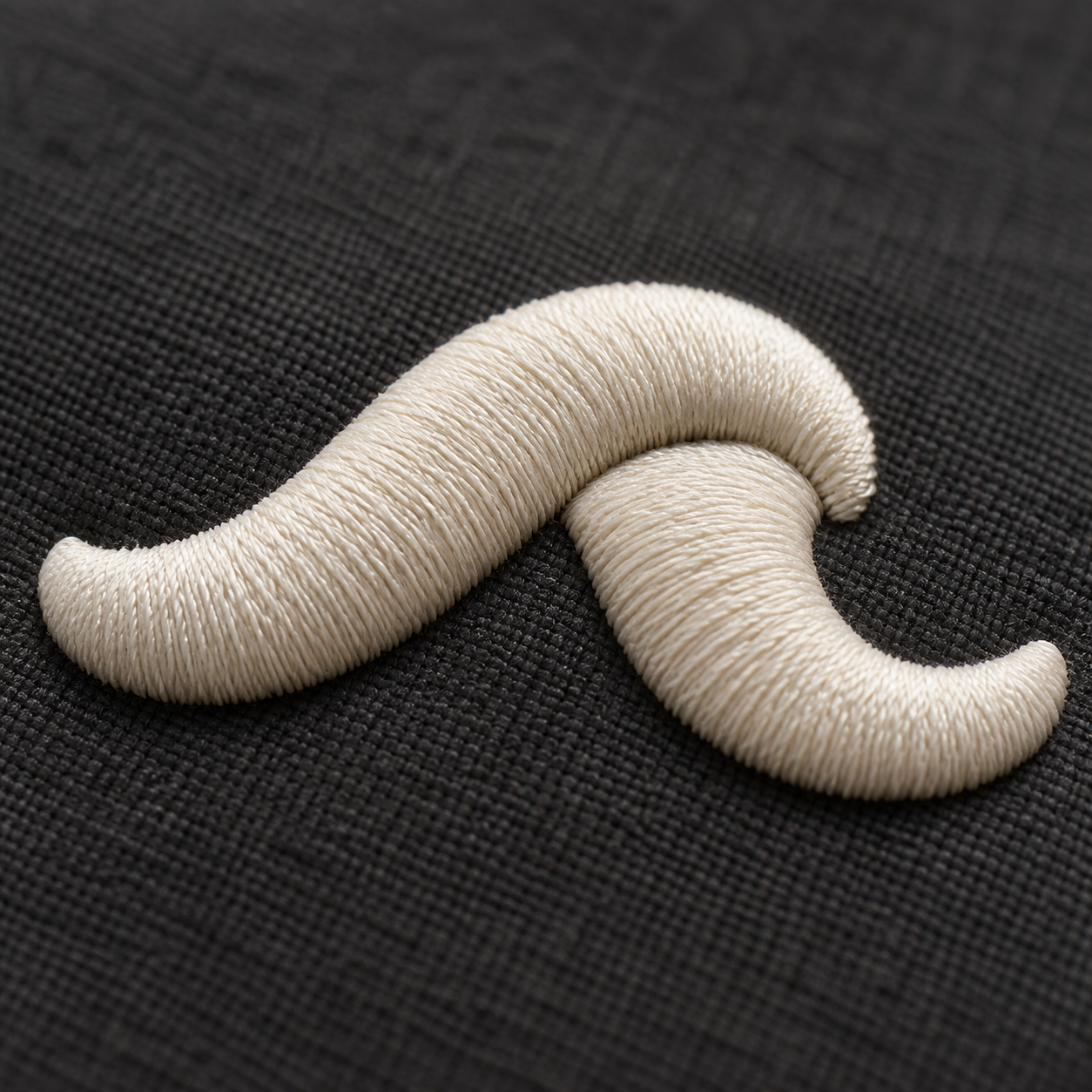
3D Puff Embroidery
A foam layer under the stitching creates a bold raised profile -- widely used for brand names on caps, chest patches and structured streetwear pieces.
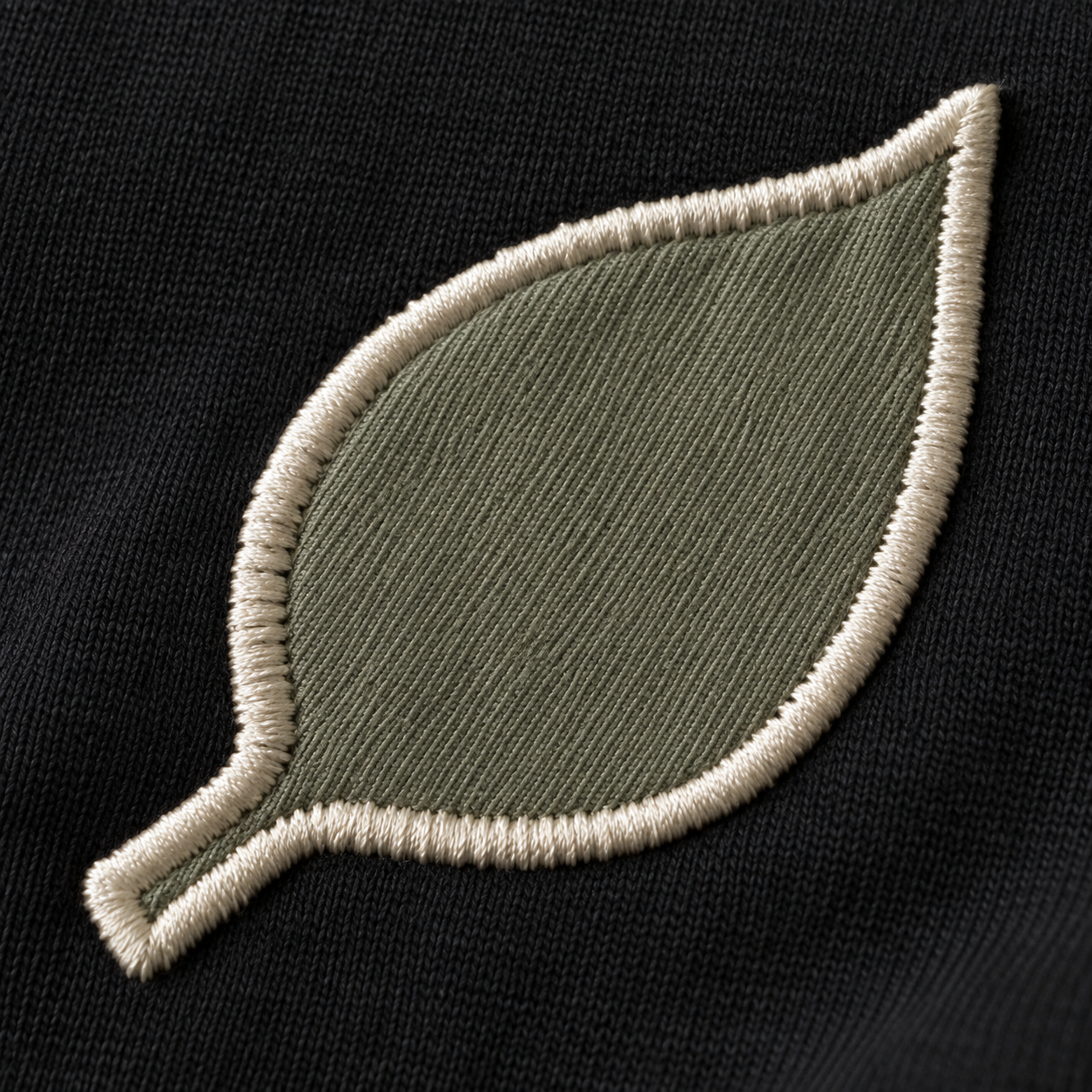
Appliqué Embroidery
A cut fabric piece sewn and secured by embroidery stitches -- allows contrasting materials, textures and color fills for large logo applications.
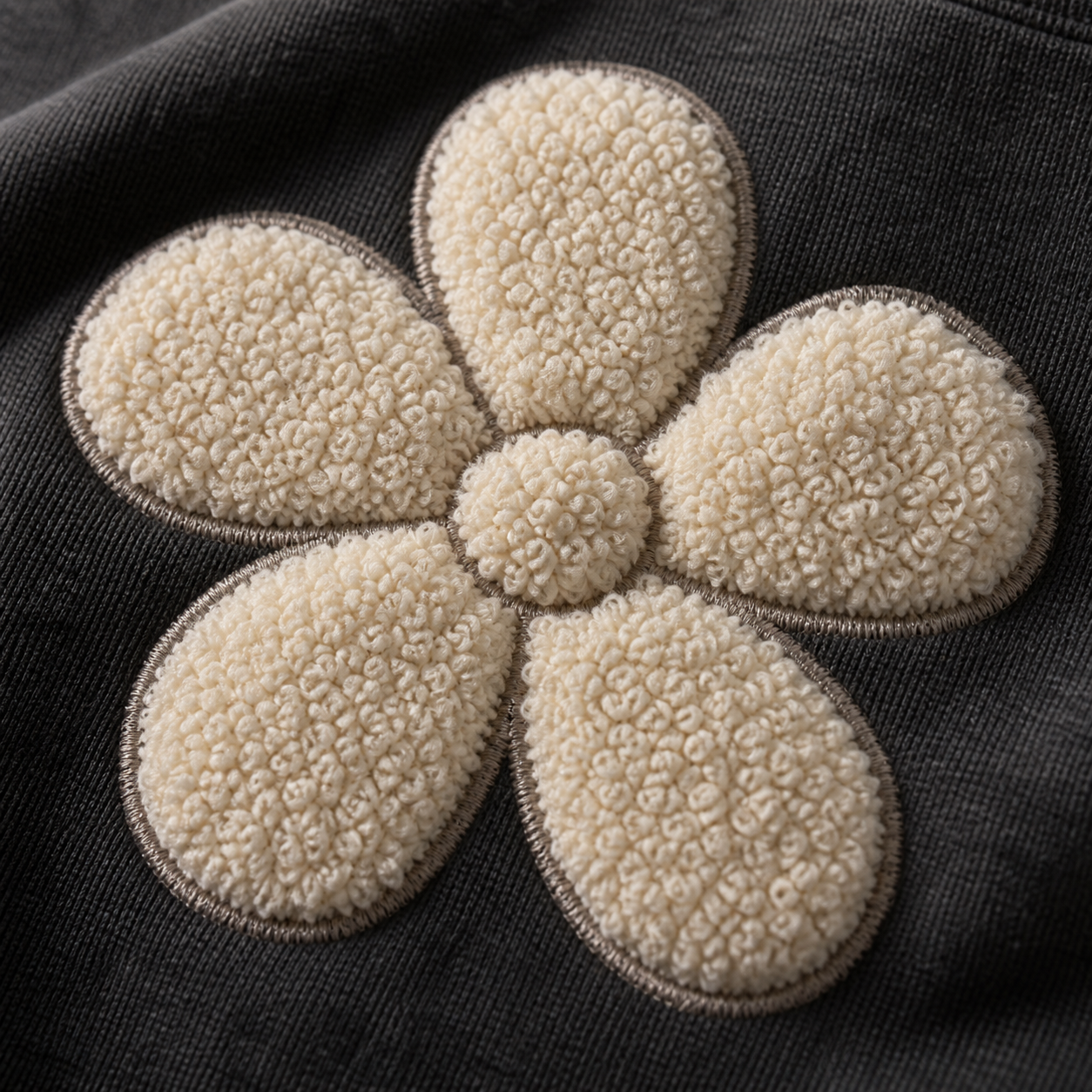
Chenille & Towel Embroidery
Loop-pile chenille or toweling stitches give a soft, textured surface finish -- used for varsity-style letters, patches and brand marks on fleece and heavy-knit garments.
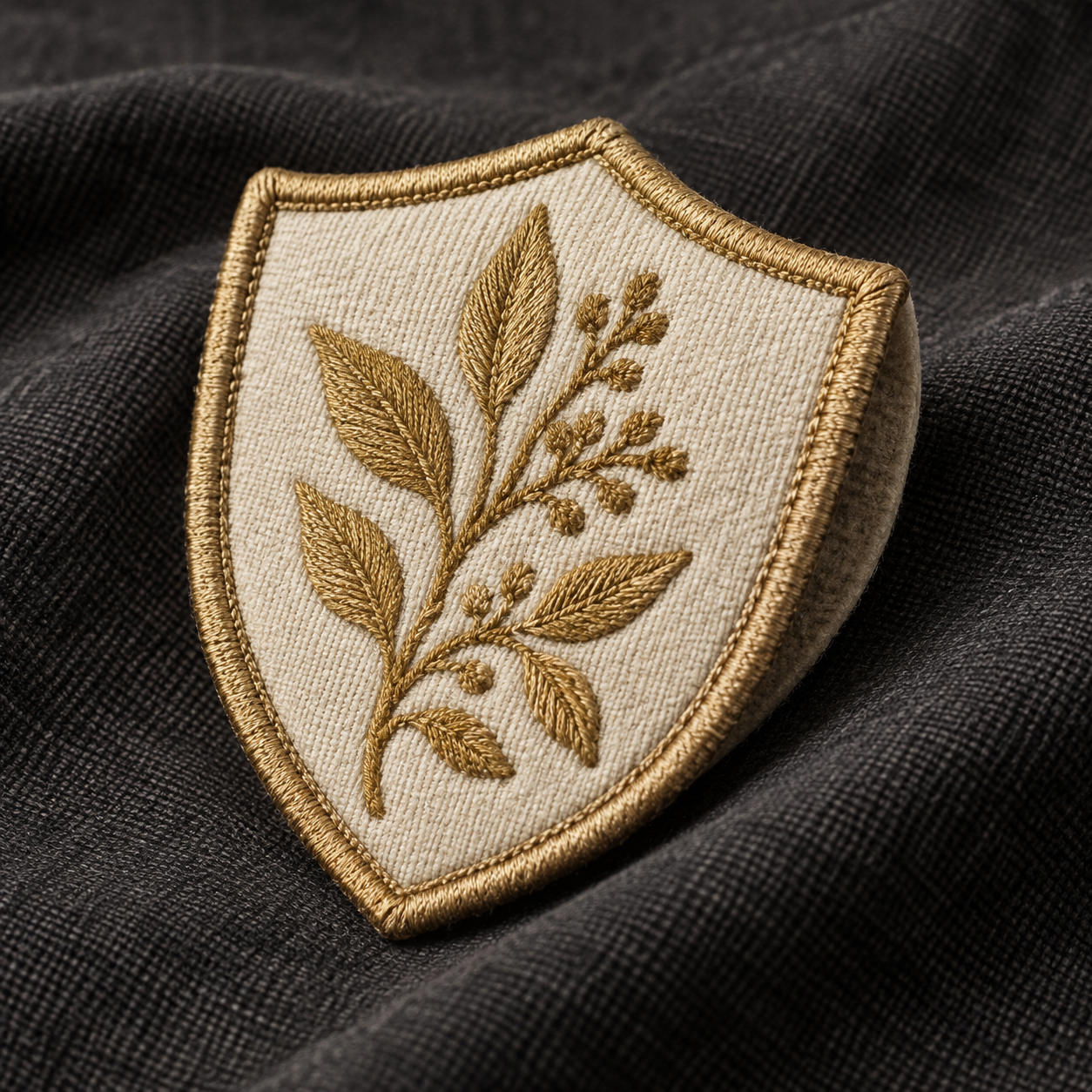
Embroidery Patches & Badges
Embroidered patches produced separately and then sewn, ironed or pressed onto the garment -- flexible placement and re-use across multiple styles.
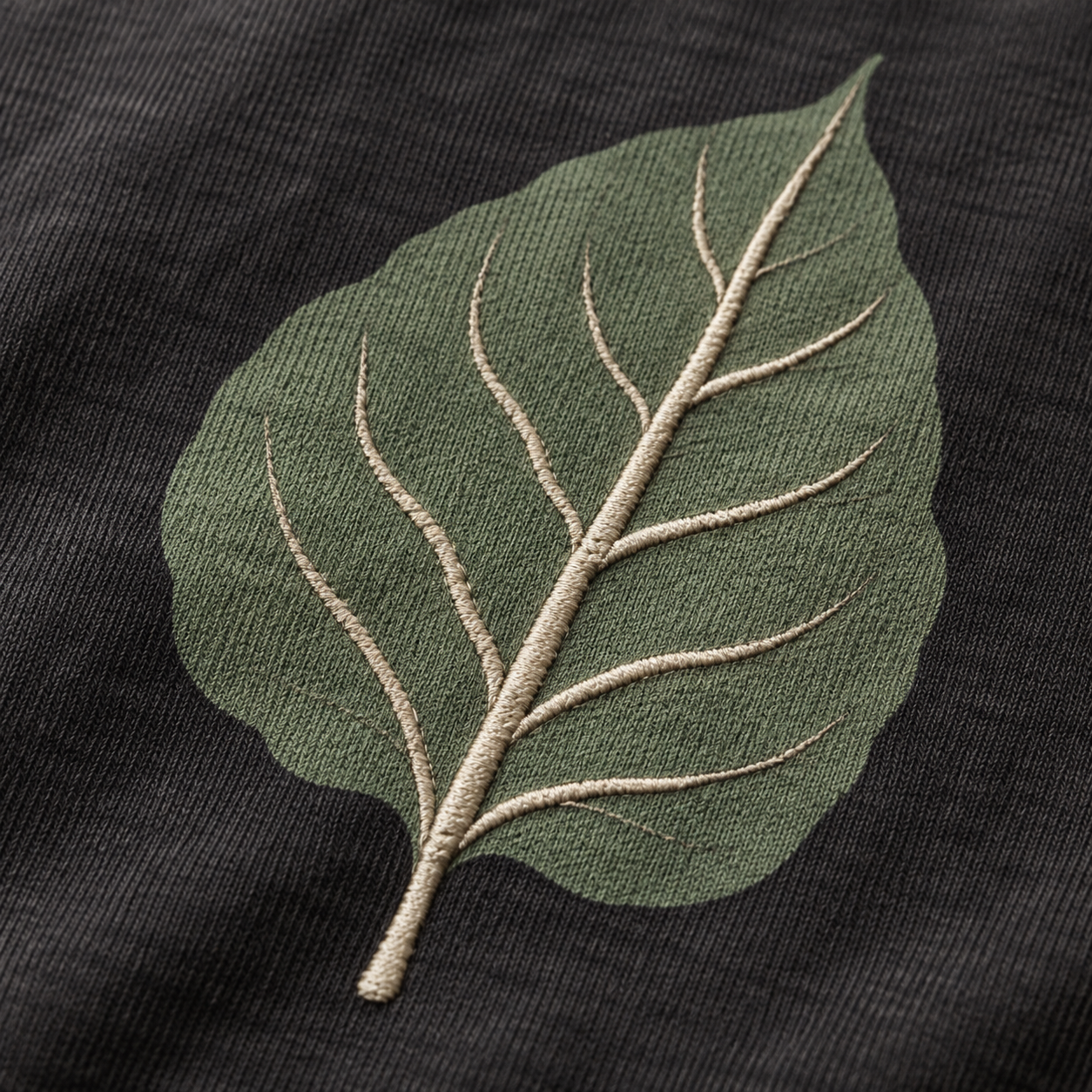
Combined Decoration
Print and embroidery applied together on the same garment -- for example a screen-printed graphic with an embroidered logo detail -- are confirmed in the sample stage.
Fabric, Design Size & Technique Compatibility
Not all decoration methods suit every fabric or artwork type. Use this reference to guide your initial technique selection -- our team will confirm the right approach after reviewing your specific design and material.
| Technique | 100% Cotton | Cotton Blend | 100% Polyester | Fleece / Heavy Knit | Fine Detail | Large Coverage |
|---|---|---|---|---|---|---|
| Screen Printing | ✓ Yes | ✓ Yes | ~ Partial | ~ Check | ~ Limited | ✓ Yes |
| DTF Transfer | ✓ Yes | ✓ Yes | ✓ Yes | ✓ Yes | ✓ Yes | ✓ Yes |
| Heat Transfer | ~ Check | ✓ Yes | ✓ Yes | ~ Check | ✓ Yes | ~ Partial |
| Sublimation | ✗ No | ~ High poly only | ✓ Yes | ✗ No | ✓ Yes | ✓ Yes |
| Puff Print | ✓ Yes | ✓ Yes | ~ Check | ~ Check | ✗ Not ideal | ~ Partial |
| Flat Embroidery | ✓ Yes | ✓ Yes | ✓ Yes | ✓ Yes | ~ Depends on stitch | ~ Cost rises |
| 3D Puff Embroidery | ✓ Yes | ✓ Yes | ~ Check | ~ Check weight | ✗ Not ideal | ~ Partial |
| Appliqué | ✓ Yes | ✓ Yes | ✓ Yes | ✓ Yes | ✗ Not ideal | ✓ Yes |
✓ Generally compatible · ~ Requires confirmation based on specific fabric and artwork · ✗ Not recommended. Final technique is confirmed after sample review.
Confirming Color, Placement & Visual Effect
Before bulk decoration begins, every project goes through a structured confirmation process to ensure color accuracy, correct positioning and the expected visual result.
Pantone & Color Reference
We match print ink and embroidery thread to Pantone codes or physical swatches. Color references provided at the start reduce correction rounds during sampling.
Placement Diagram & Dimensions
Specify the print or embroidery position using measurements from a seam or collar reference point. A tech pack placement diagram or annotated reference photo is preferred.
Strike-Off & Embroidery Sample
A print strike-off or embroidery sample is produced and reviewed for color, size, registration, stitch quality and overall appearance before we proceed to bulk.
Wash & Durability Test
Where required, we test print adhesion and color fastness after washing to confirm the decoration meets the expected durability standard before bulk production.
Effect & Finish Review
Specialty finishes -- puff height, gloss level, metallic sheen or embroidery texture -- are assessed on the actual garment sample and not only from a digital render.
Written Confirmation Before Bulk
Approved artwork, placement, color references and sample photos are documented and used as the production standard. Bulk decoration runs only after written sign-off.
Sample Verification & Bulk Decoration QC
Quality control for printing and embroidery follows structured checkpoints from artwork submission through to final garment inspection -- not just at the end of production.
- Artwork reviewed before any screen or digitization work begins
- Strike-off or embroidery sample issued for client approval
- In-line checks during bulk run for color registration and placement
- Finished garment inspection for print adhesion and stitch quality
- Third-party inspection supported on request
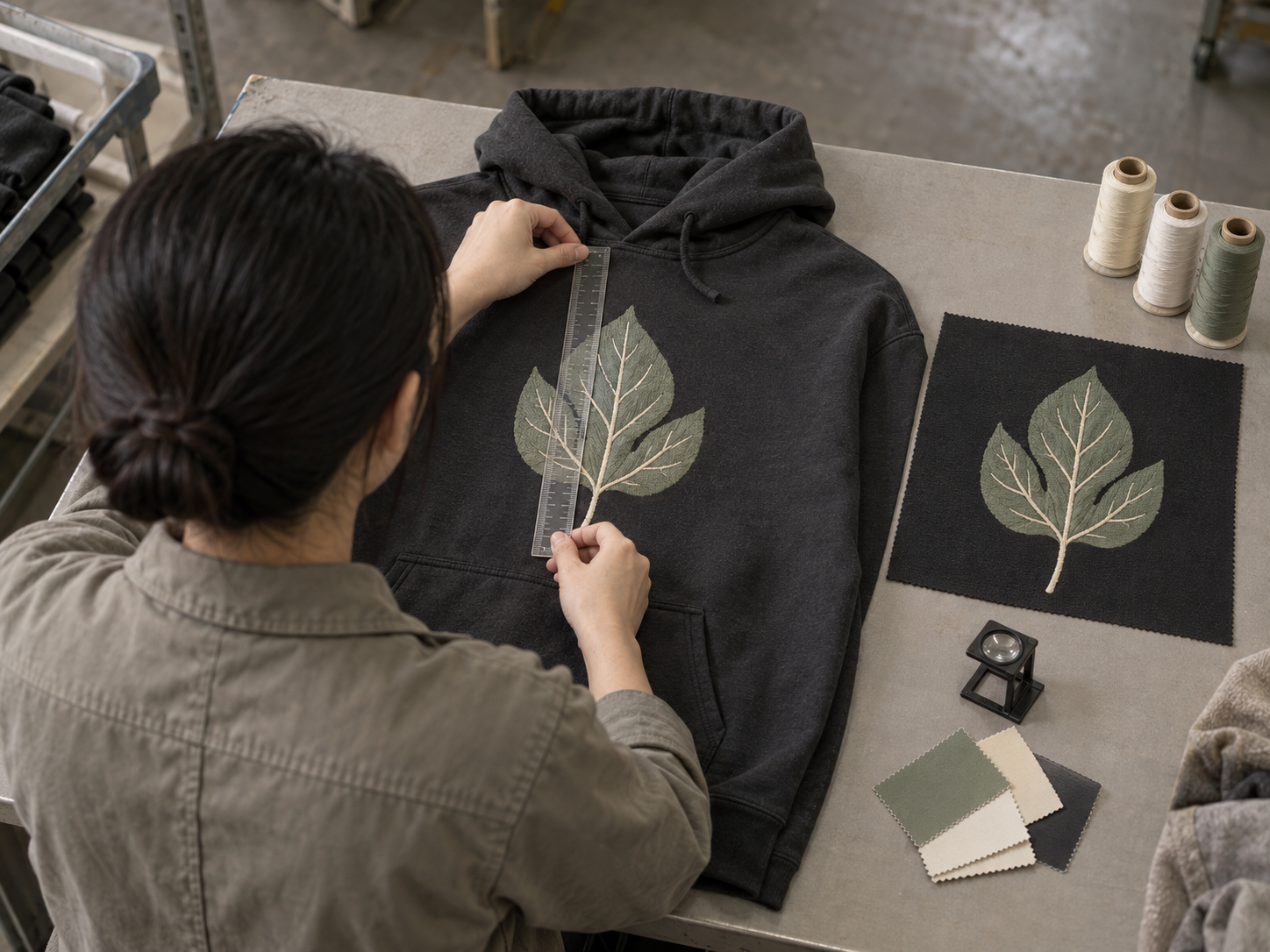
Artwork & File Check
Verify vector quality, resolution, color mode, dimensions and placement references. Flag any issues before screen preparation or digitization begins.
Pre-Production Strike-Off / Embroidery Sample
First print strike-off or embroidery sample produced on the actual fabric and garment. Checked for color match, registration, stitch tension and overall appearance.
Client Sample Approval
Sample shared with client for written approval. Any correction is incorporated before bulk decoration run begins. Approved sample serves as the production standard.
In-Line Production Check
During bulk run: spot-check color density, registration accuracy, embroidery stitch count, placement consistency and adhesion on garments from the active production batch.
Post-Wash & Durability Verification
Where specified, washed samples are checked for color fastness, print cracking or lifting, embroidery distortion and overall durability after the defined wash cycle.
Final Garment Inspection & Packaging
Finished garments inspected against the approved sample for print and embroidery quality, placement, overall appearance and correct labeling before packing and shipment.
Printing & Embroidery FAQ
Frequently asked questions about technique selection, artwork requirements, color matching and production process.
What file format should I submit for printing or embroidery?
How do you match colors for printing and thread selection?
Can I combine printing and embroidery on the same garment?
What is the minimum order for screen printing?
How is embroidery placement measured and confirmed?
Will the print hold up after washing?
Can I see a sample before committing to bulk production?
What is the typical lead time for a printed or embroidered order?
Project Inquiry Form
The more detail you provide, the faster we can prepare a structured cost and timeline estimate.