Custom T-Shirt Manufacturer for Fashion and Streetwear Brands
Develop a T-shirt range around your brand's fit, fabric, print and labeling requirements. Start with a tech pack, reference garment or product concept, then review a sample before confirming the production specification.
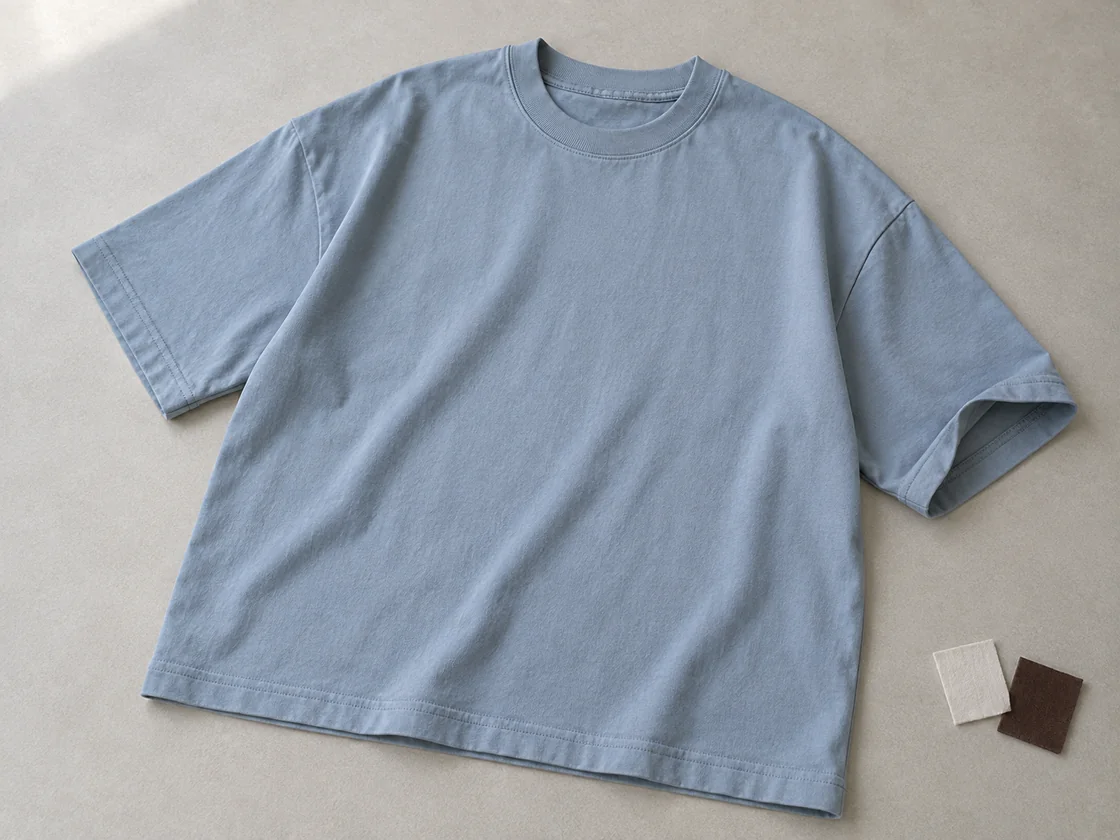
T-Shirt Starting Points
Choose a starting silhouette, then confirm proportions and materials against your brand's size specification. The current catalogue shows oversized, streetwear, heavyweight, cotton, washed, plain and graphic T-shirt references. These are product examples, not a universal manufacturing promise.
Regular Fit
Set the shoulder, chest, body length and sleeve proportions for the intended customer. Confirm the fit on an approved sample.
Oversized and Streetwear Fits
Compare body width, shoulder drop, sleeve volume and length. A reference garment or measurement chart helps translate the intended look into a sample.
Boxy Direction
If this silhouette is part of the brief, define the width-to-length balance and neckline before approval.
T-Shirt Styles Available for Customization
Browse current T-shirt references to identify a fit, fabric or decoration direction. Use the existing catalogue filters to narrow examples, then share the reference with your specifications for a project-specific discussion.
 OEM
OEM
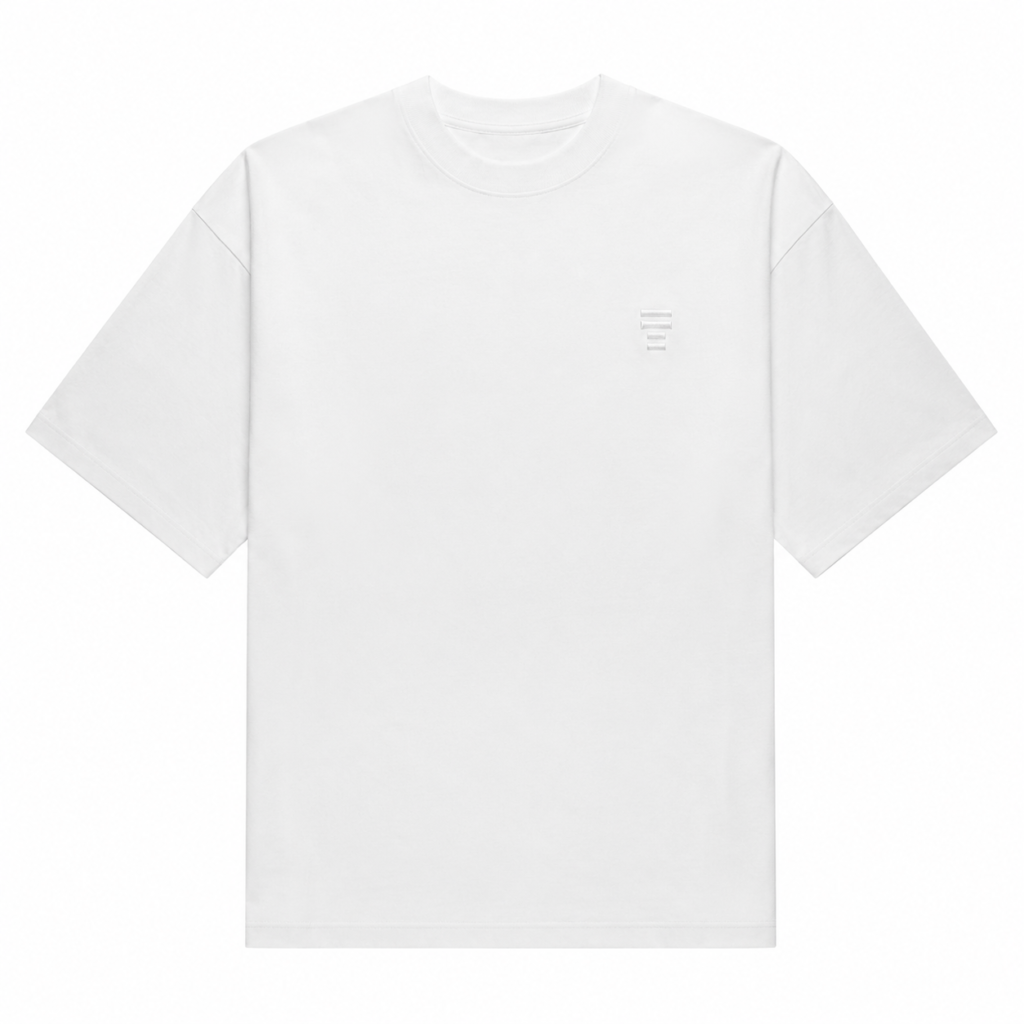
Custom Plain Beige Acid Wash T Shirt OEM ODM Supplier for Brands
 OEM
OEM
Custom Blank Brown Acid Wash T Shirt Private Label Manufacturer
 OEM
OEM
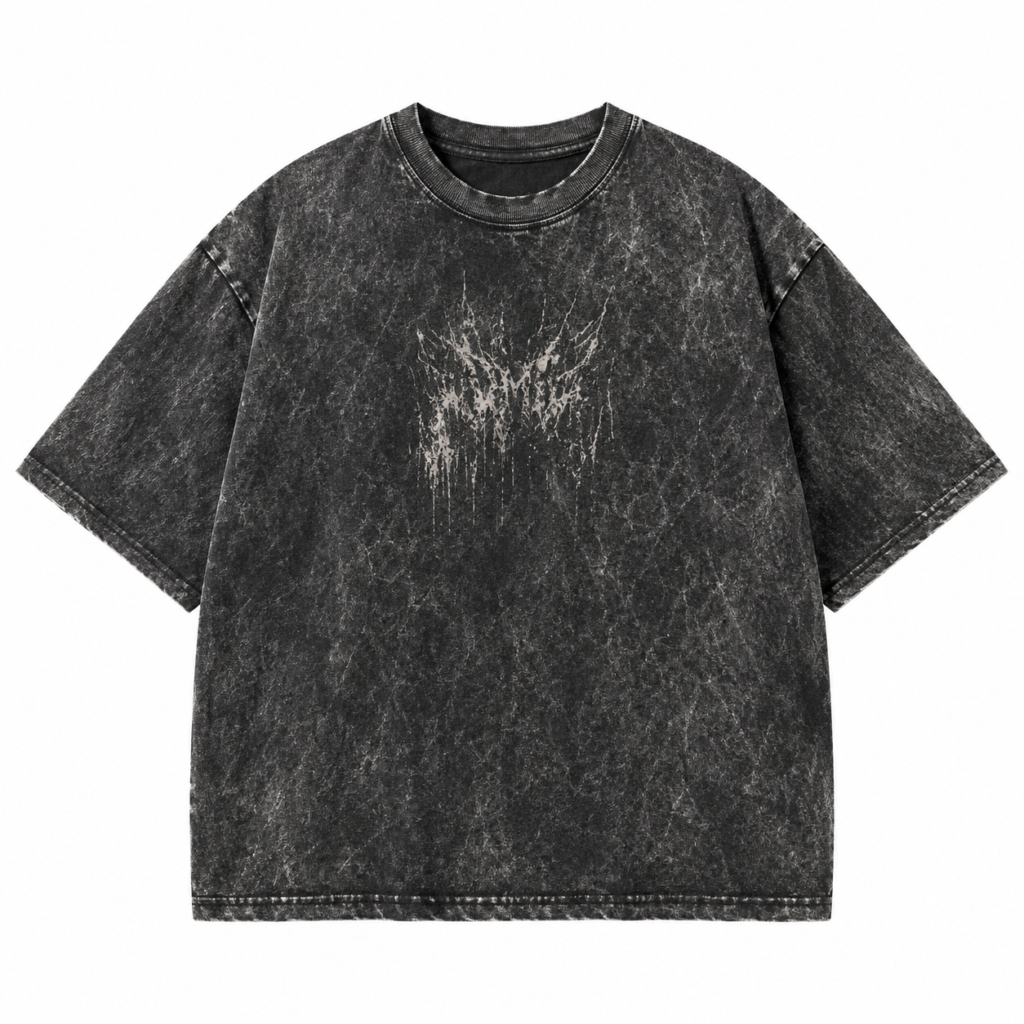
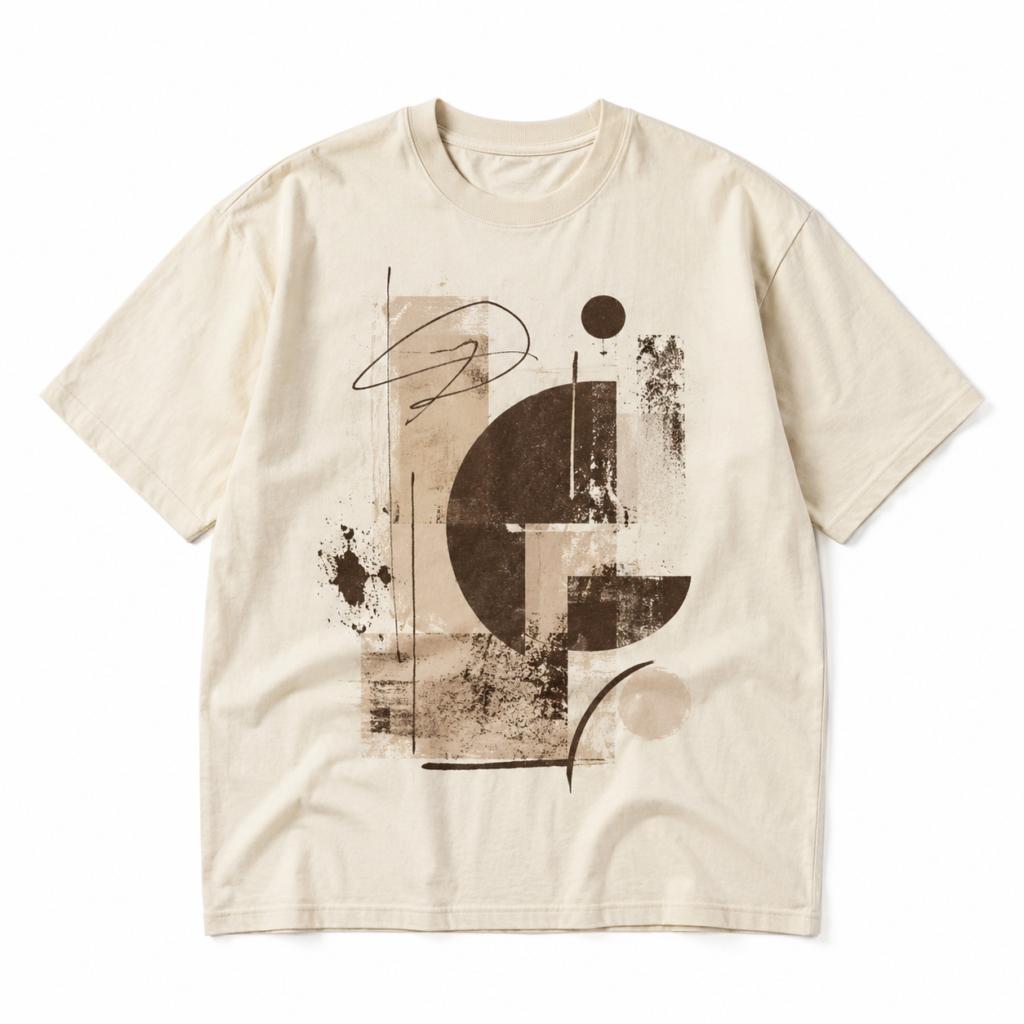
Custom Vintage Graphic Acid Wash T Shirt Manufacturer for Brands
 OEM
OEM
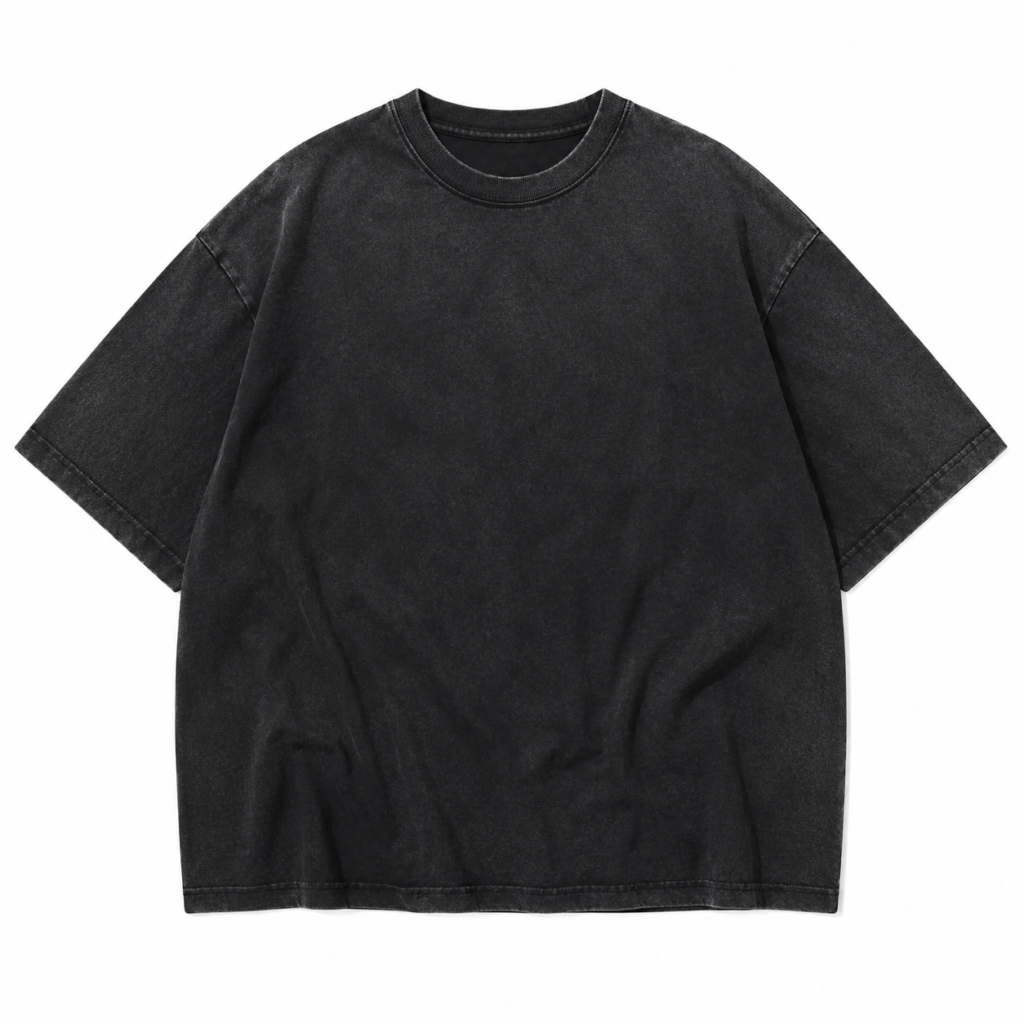
Custom Plain Heavyweight Acid Wash T Shirt OEM ODM Supplier
 OEM
OEM
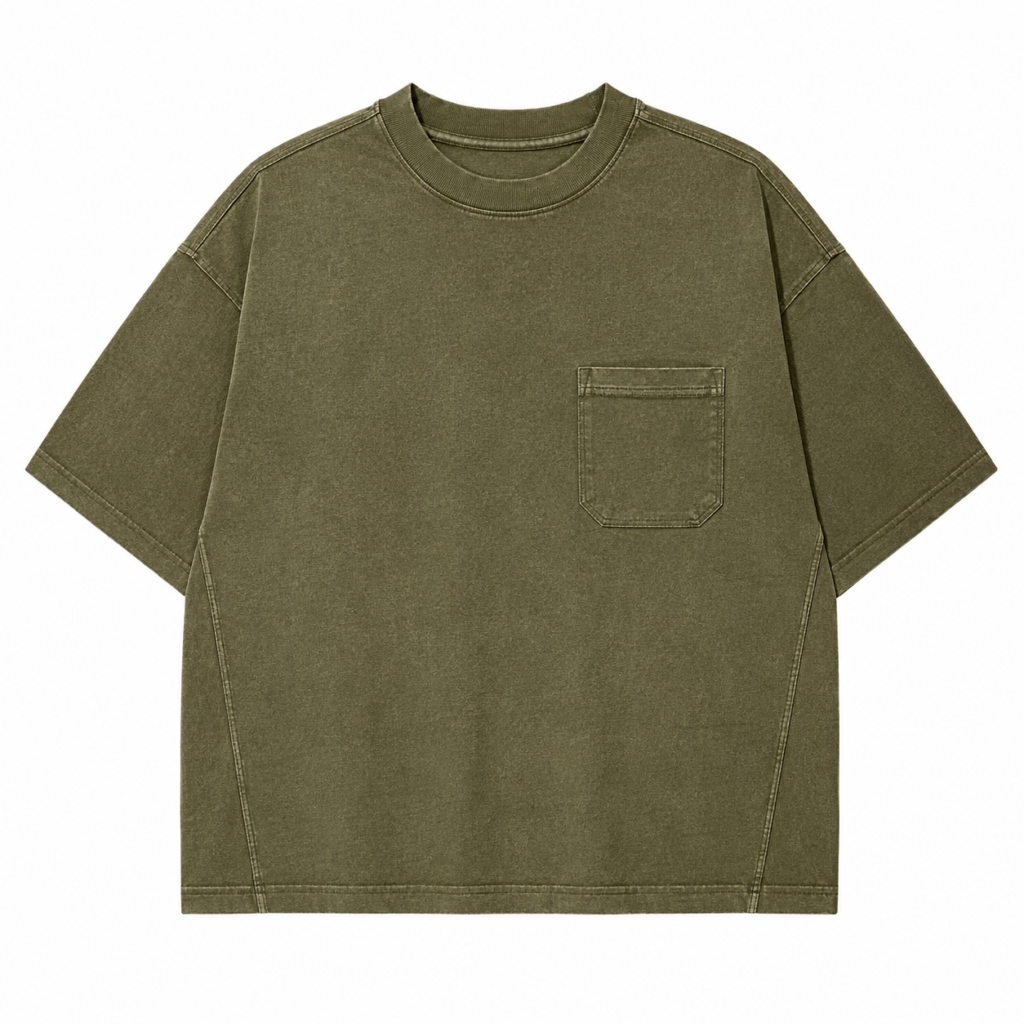
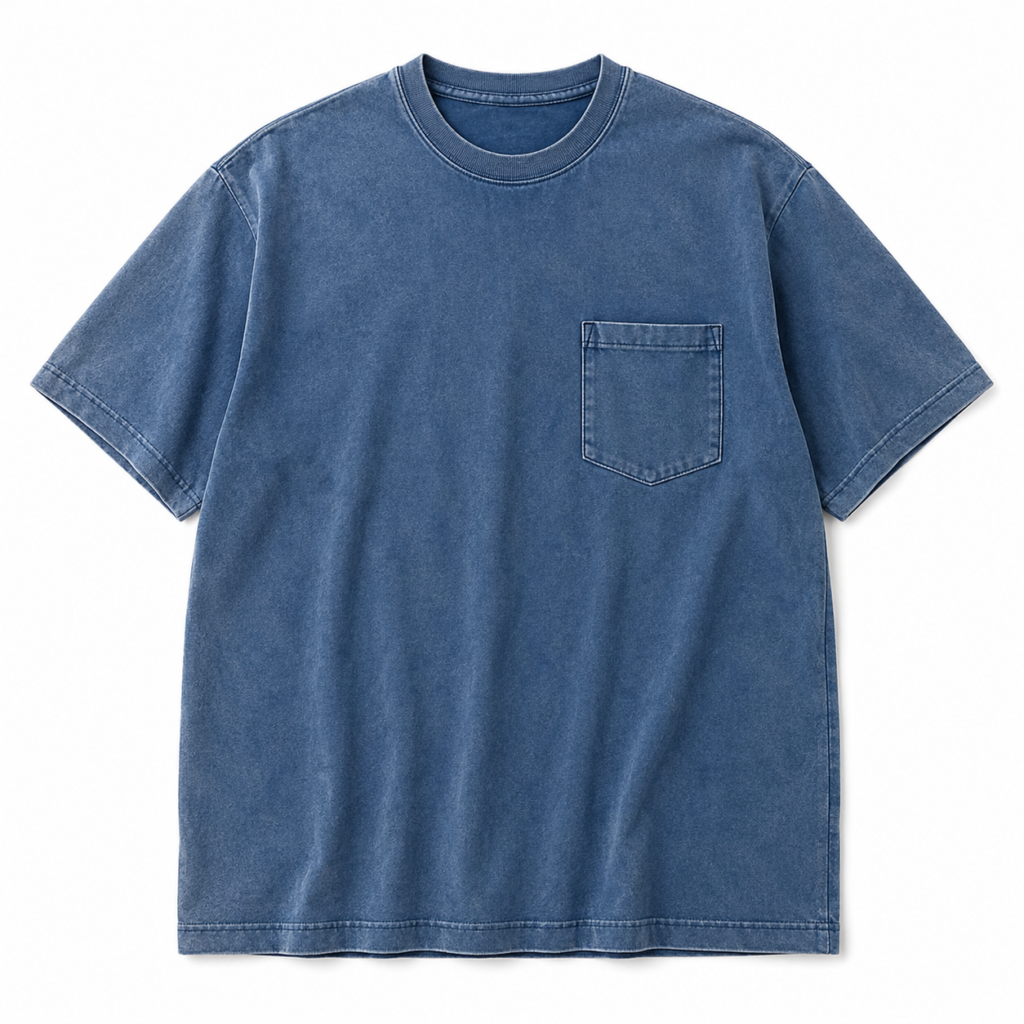
Custom Oversized Pocket Acid Wash T Shirt Manufacturer for Brands
 OEM
OEM
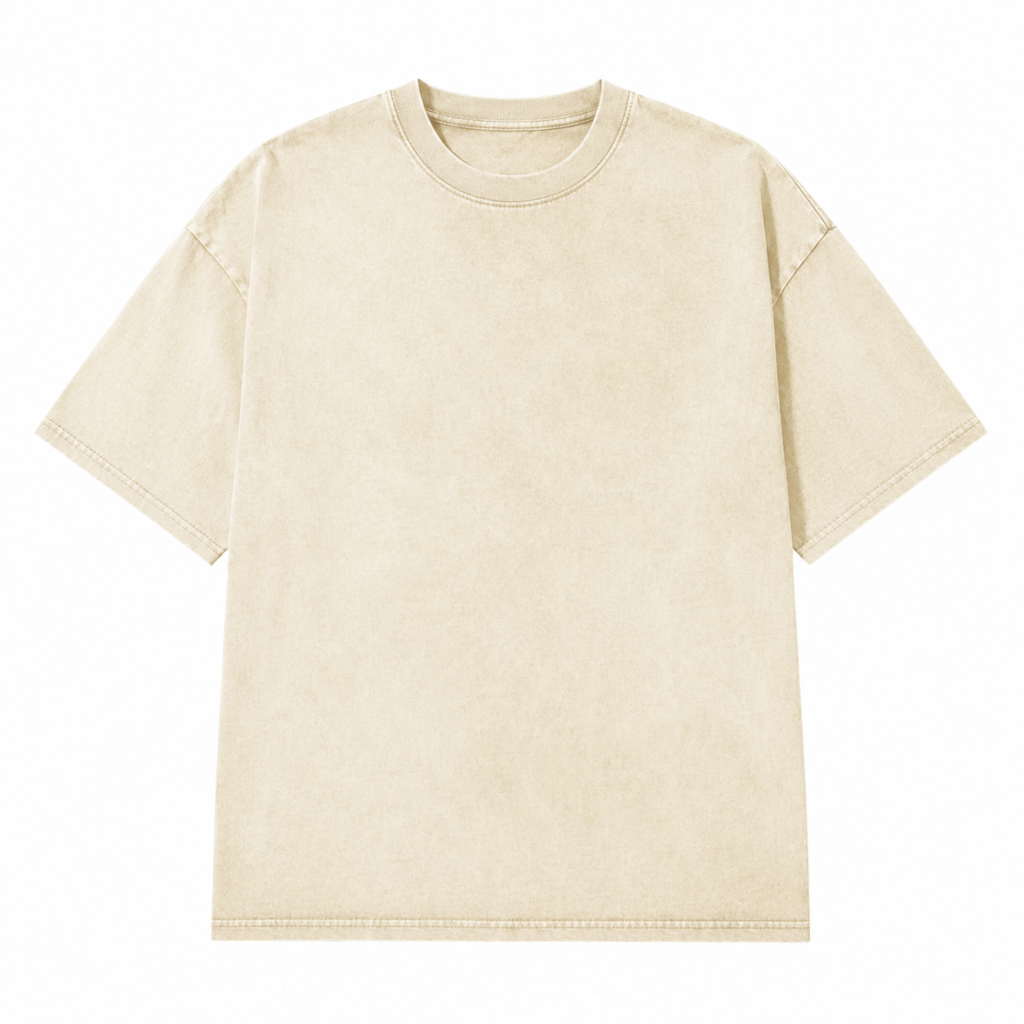
Custom Plain Acid Wash T Shirt OEM ODM Supplier for Private Label
 OEM
OEM
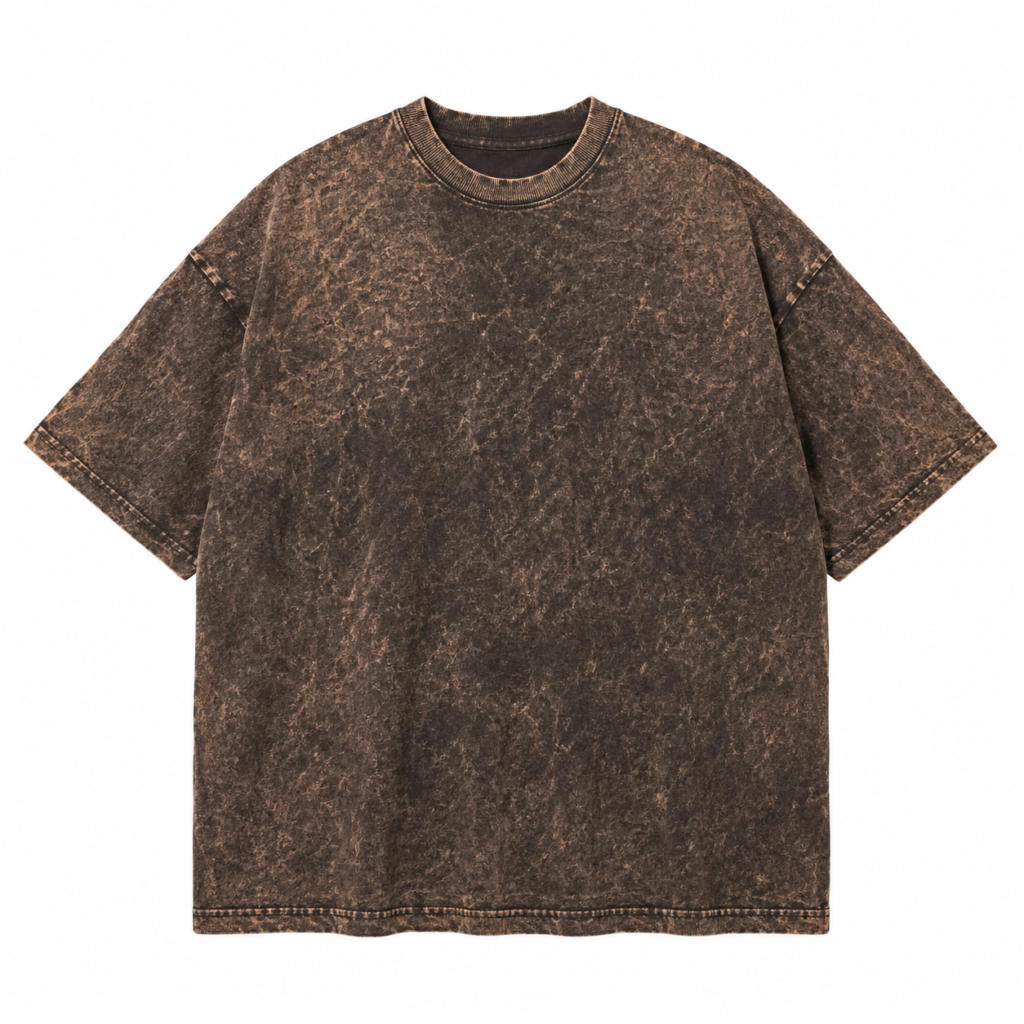
Custom Vintage Blank Acid Wash T Shirt Manufacturer for Brands
 OEM
OEM
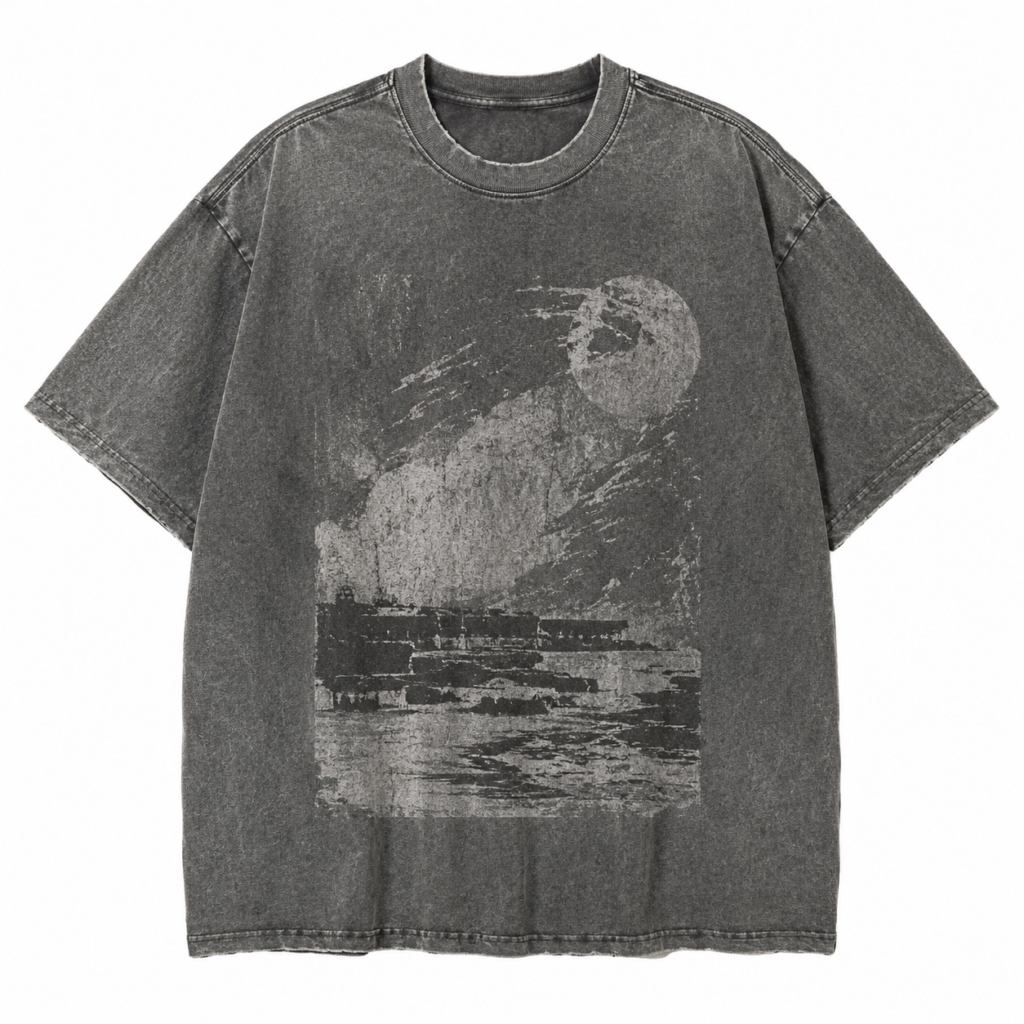
Custom Washed Graphic Print T Shirt Private Label Manufacturer
 OEM
OEM
Custom Minimal Heavyweight Acid Wash T Shirt OEM ODM Supplier
T-Shirt Fit and Fabric Decisions
Start with the wearer and the product use case. Regular, oversized and boxy directions change the relationship between shoulder, chest, sleeve and length. Use a measurement chart or reference T-shirt to agree on the shape, then check it on the sample rather than assuming that one fit label defines the garment.
Cotton jersey and blends are among the fabric directions already described on the site. Compare hand feel, drape, shrinkage considerations and decoration compatibility for the specific project. Confirm composition and availability during sourcing. Explore fabric sourcing and compare T-shirt fabric options.
Fabric Weight and Use Case
Fabric weight helps shape opacity, drape and perceived structure, but GSM alone does not establish how a finished T-shirt will feel. Review the intended season, fit, knit and finish together. Heavyweight examples appear in the current product catalogue; the suitable weight for a new style must be confirmed with a swatch and sample. Read the T-shirt fabric weight guide.
Printing, Embroidery and Wash Options
Plan decoration around the garment rather than choosing a method from a list. Share artwork size, placement, color and the target fabric so the team can assess a print or embroidery route and check it on a sample. Review printing and embroidery services and compare DTF on cotton and polyester when substrate choice matters.
The current catalogue includes acid-washed, vintage-look and graphic T-shirt references. A wash or garment-dye direction should be sampled with the selected fabric and construction; final shade and appearance need an agreed approval reference.
From Brief to T-Shirt Sample
Send a tech pack, reference T-shirt or clear concept with the target fit, measurements, fabric direction, neckline, sleeve shape, decoration and brand details. A sample lets the buyer assess these choices together before approving a production specification. Record revisions to the sample and confirm the final reference before bulk planning. Explore sample development.
If you already have complete specifications, review the OEM route. If you need help developing the concept, review ODM support. For labels and packaging as a central part of the range, review private label production.
MOQ, Production Planning and Quality
MOQ and timing depend on the style, fabric availability, decoration, quantity and approval rounds. Share the proposed design and order plan so a project-specific minimum, sample path and production schedule can be confirmed. Understand MOQ factors and review lead-time planning.
Use the approved sample and agreed specification as references for measurement, neckline and seam construction, decoration placement, wash appearance and final garment presentation. Review quality control and see manufacturing capabilities for process details.
Branding, Labels and Packaging
Neck labels, care labels, hang tags and packaging should be specified with the garment. Confirm artwork, materials and placement in the sample and packaging review so they support the intended brand presentation. Explore labels and packaging.
Why Work With YECHENG for T-Shirts
YECHENG is a Dongguan-based custom apparel manufacturer established in 2006. A T-shirt project can begin with a defined specification or a reference that needs development, then move through sample approval to an agreed production brief. For broader supplier evaluation, meet the manufacturing team and review factory context. See why brands consider YECHENG for company-level proof. Explore the capability hub for further details.
Related Custom Apparel Categories
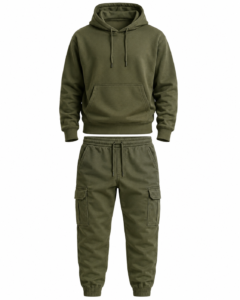
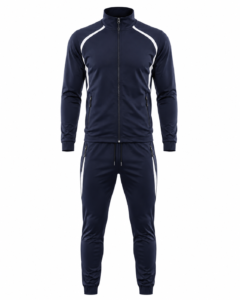
Planning a coordinated collection? Explore custom hoodies and custom tracksuits as related product categories, or browse the product hub.
Custom T-Shirt FAQs
What T-shirt styles can you manufacture?
Current product references include plain, graphic, washed, heavyweight, oversized and streetwear T-shirts. Share the style and specification you need so the construction and material route can be confirmed.
Can you develop an oversized T-shirt?
Oversized is a current catalogue fit direction. Provide the target measurements or a reference garment, then review shoulder, body and sleeve proportions on a sample.
What fabrics are used for custom T-shirts?
The current page describes cotton, blends and jersey among its options. Composition, knit, hand feel and availability should be checked for the specific design. Review fabric sourcing.
How do I choose T-shirt fabric weight?
Consider the desired drape, opacity, fit, season and decoration. Compare swatches and approve a sample rather than relying on a single universal GSM range. Read the fabric weight guide.
What printing and embroidery options are available?
The current site shows multiple print and embroidery examples. Suitability depends on the artwork, placement, fabric and finish, so confirm the chosen method on a sample. Explore decoration services.
Can you develop washed or vintage-look T-shirts?
Washed examples appear in the current catalogue. Specify the desired appearance and review the selected fabric, construction and wash result in a sample.
Can I start from a tech pack or reference T-shirt?
Yes. Send available measurements, artwork, fabric direction and branding needs with the tech pack or reference. Open decisions can be resolved through the development and sample review process.
How do I request a custom T-shirt quote?
Use the quote request page or the existing project inquiry form. Include the intended style, quantity, fabric, decoration and branding details so the team can confirm a project-specific plan.
Project Inquiry Form
The more detail you provide, the faster we can prepare a structured cost and timeline estimate.