Brands comparing DTF on cotton and polyester are not choosing between fiber names alone. They are deciding whether a particular garment and transfer system can deliver the required appearance, hand feel and performance.
Both fibers can accept direct-to-film transfers, but they present different development risks. Cotton is often straightforward, while colored polyester may require closer control of heat and dye migration. Fabric construction, surface finish, garment color, adhesive and intended use also matter.
For B2B apparel development, the useful question is not which fiber is universally better. It is which substrate supports the product concept and can be validated with the proposed transfer.
Is DTF Better on Cotton or Polyester?
DTF can be applied to cotton, polyester and many blended fabrics. Cotton is often easier for brands to develop because it generally does not present the same risk of heat-activated disperse dyes moving into a transfer layer.
Polyester is not unsuitable for DTF. It remains common in sportswear and performance garments, where development should account for dye migration, heat marks, distortion, stretch and transfer compatibility.
Neither fiber guarantees adhesion or durability. The result depends on the garment, dye, surface, heat sensitivity, adhesive, transfer construction and application process. The better substrate depends on the actual garment and transfer system, not simply whether the fiber is cotton or polyester.
Can DTF Be Applied to Both Cotton and Polyester?
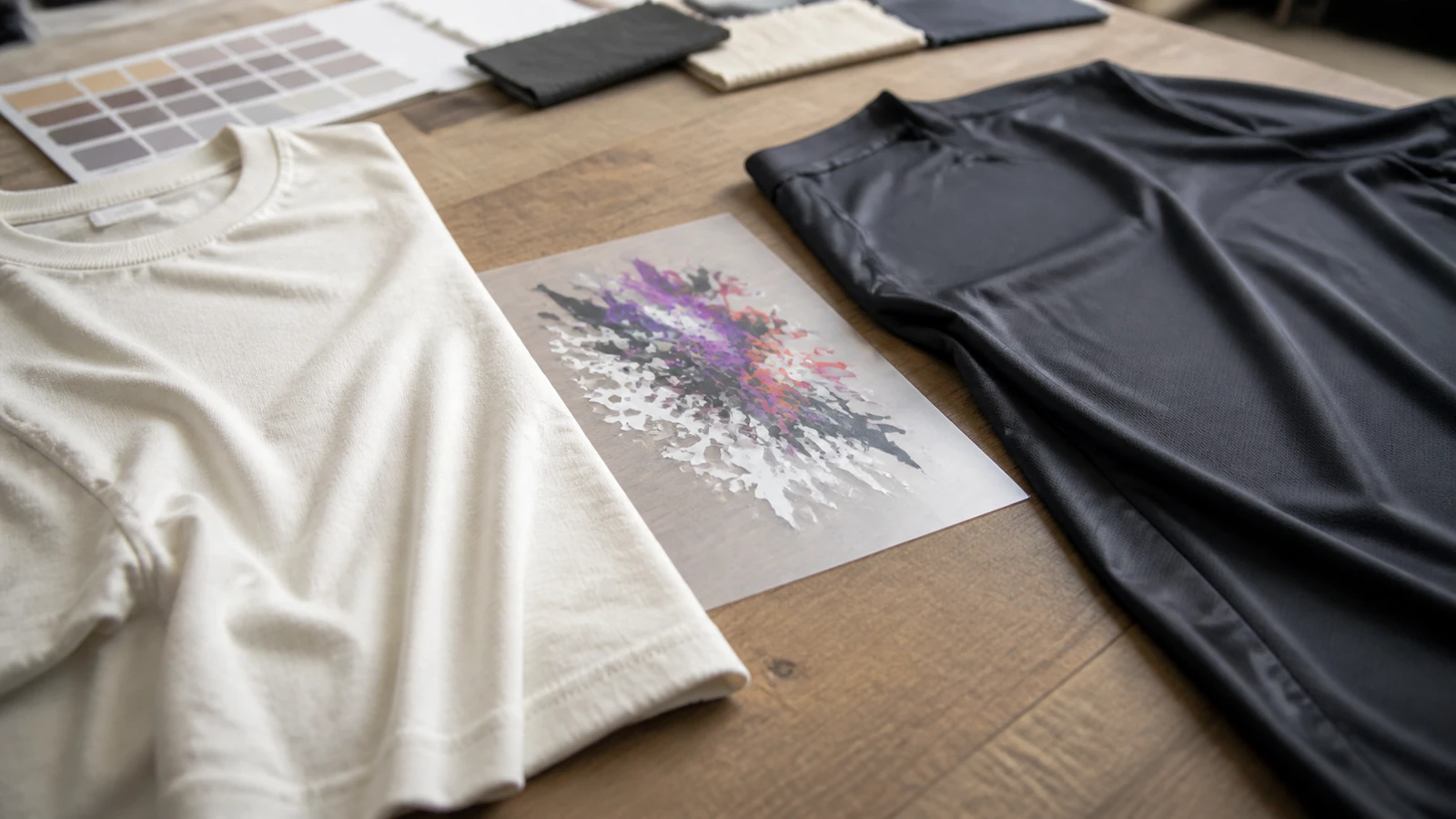
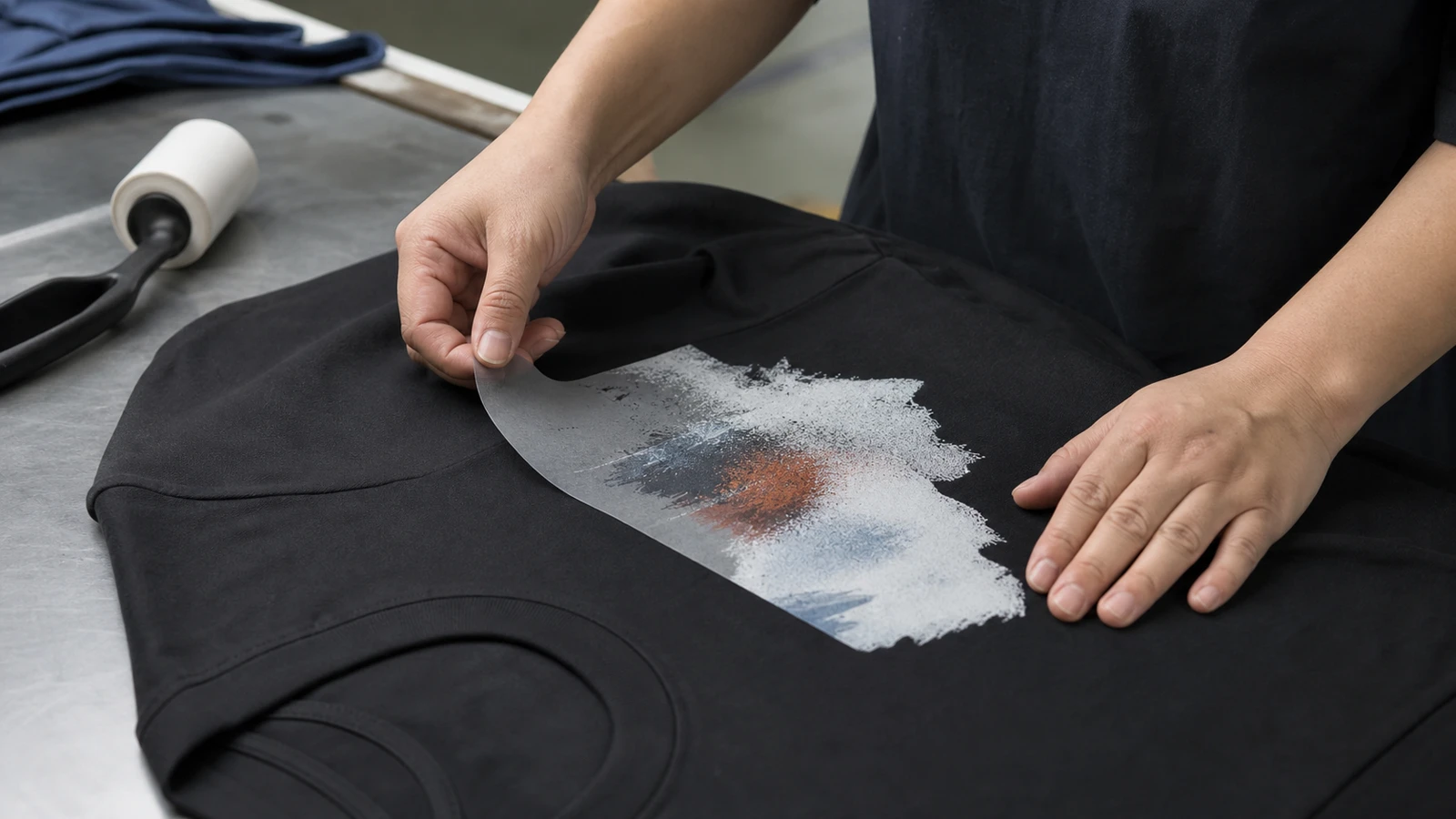
Yes. DTF first creates the artwork on film, applies hot-melt adhesive powder, cures the printed film and then bonds the transfer to the garment with heat and pressure. The graphic is therefore carried by a transfer layer rather than printed directly into the textile.
Epson’s DTFilm guidance describes compatibility with a broad range of textiles and explains that DTFilm does not require the garment pretreatment commonly used for DTG. This flexibility supports cotton, polyester and mixed-fiber programs, although each combination still needs a suitable film, powder and application process.
Why Is Cotton Often Easier for DTF?
Cotton is often easier because it normally avoids the polyester disperse-dye migration mechanism. A light transfer on dark cotton does not usually face the same risk of garment dye moving into the decoration when heat is applied.
That advantage does not make every cotton surface predictable. Garment washing, softeners, water-repellent treatments, heavy texture or loose fibers may affect bonding and edge definition. Brands should evaluate the actual cotton fabric and finish instead of assuming that one heat-press setup will suit every garment.
Why Is Polyester More Challenging for DTF?
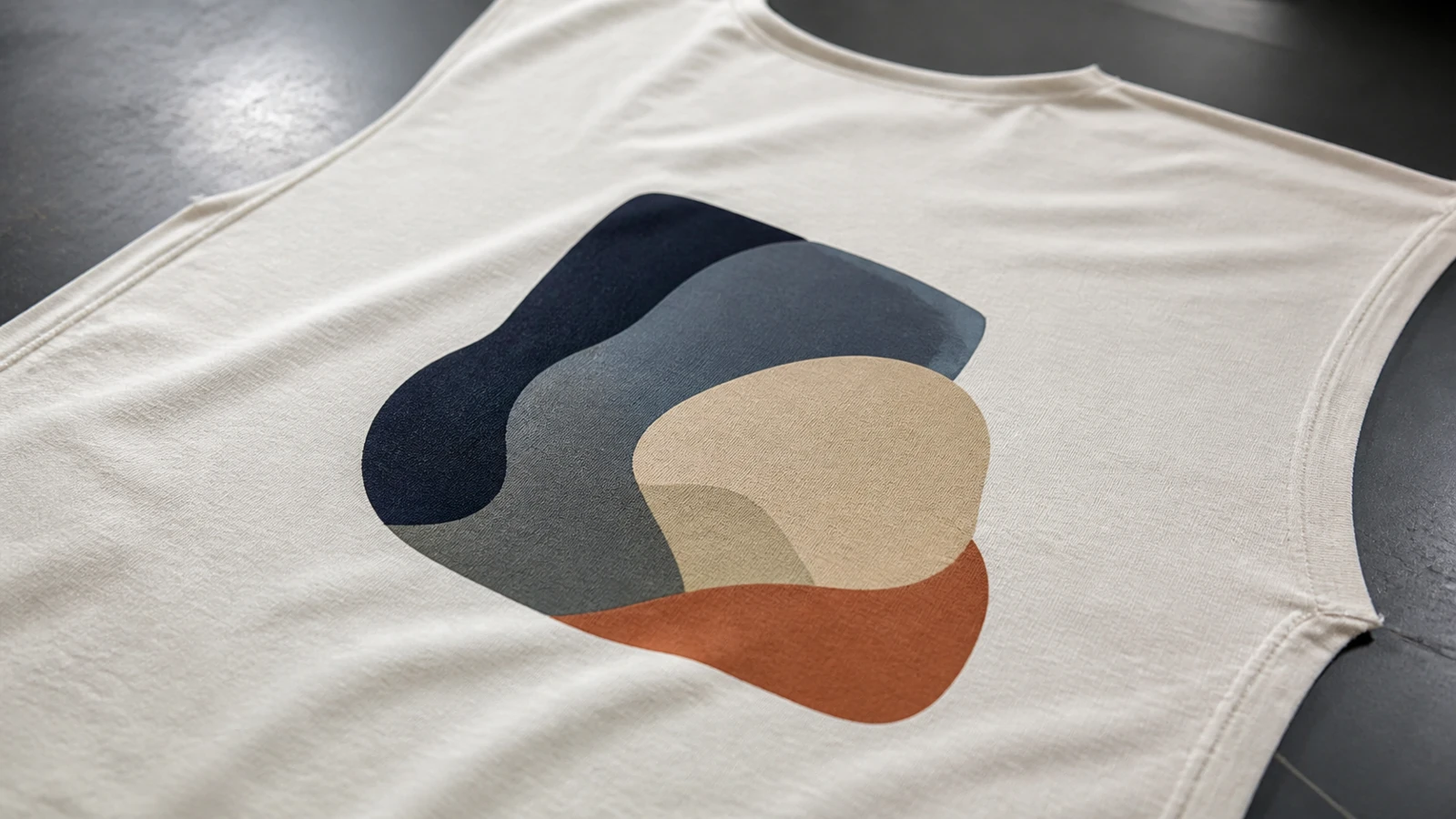
Polyester can be more sensitive because heat affects both the transfer and the garment. Some disperse dyes may move into a light-colored decoration, while the fabric may develop gloss, flattening, press marks or dimensional change. Stretch and lightweight constructions can add further variables.
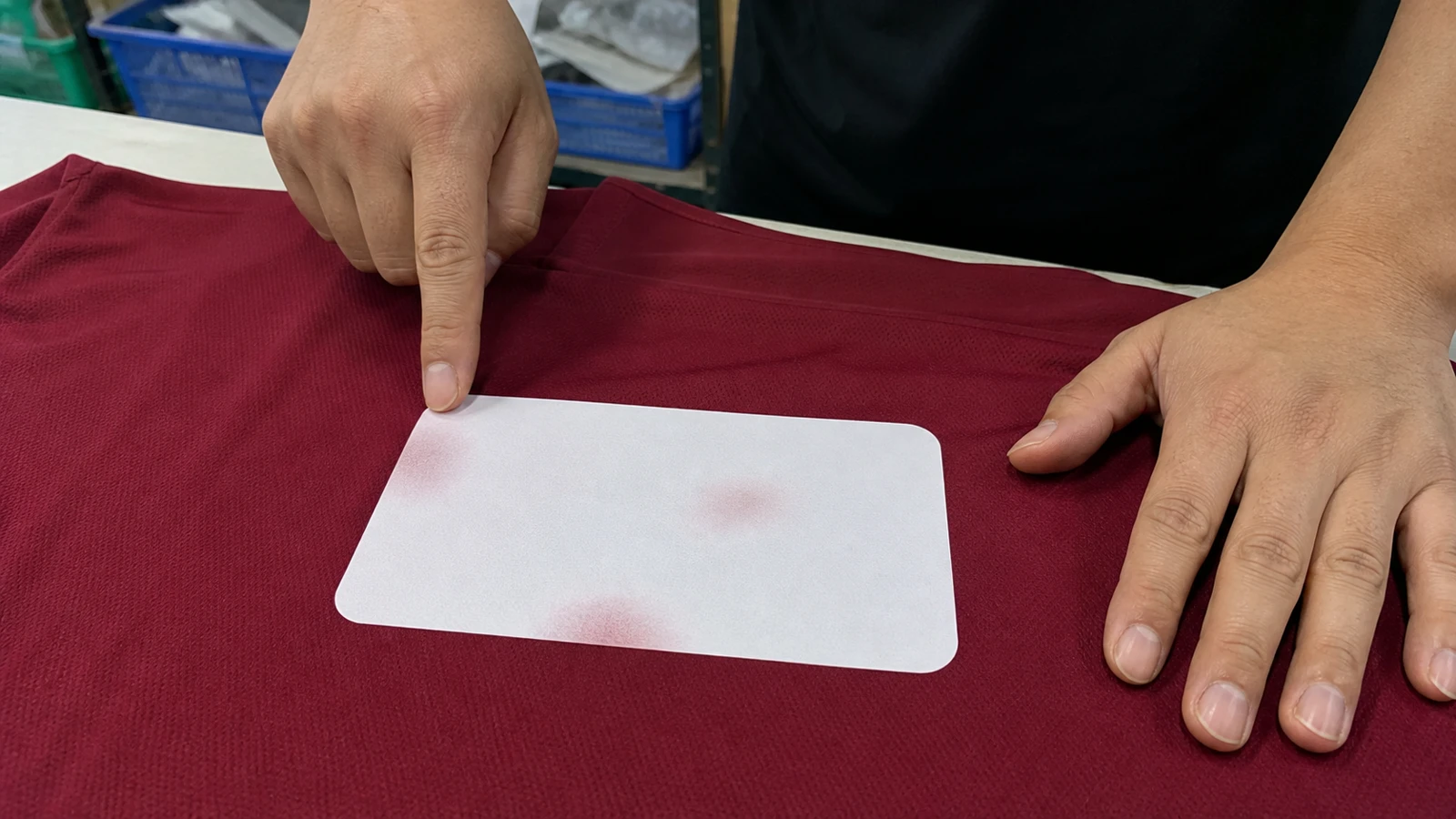
Roland DGA’s guidance on DTF transfers to polyester identifies dye migration as a key concern and notes that different dyes respond differently to heat. A white graphic on red polyester, for example, may become pink if dye enters the transfer layer, although not every red garment will react this way.
PRINTING United Alliance’s polyester dye-migration guidance explains why heat can activate color movement in synthetic textiles. Dark, saturated and previously sublimated polyester deserve particular attention, and a result may change after cooling rather than appearing immediately.
Temperature control must balance two needs: limiting dye activation or surface damage while providing enough heat for the adhesive to bond. Epson’s polyester and DTFilm support guidance directs users to the film manufacturer’s application recommendations. Brands should follow the specification for the actual system and inspect both the graphic and surrounding fabric.
Which Fabric Gives Better DTF Adhesion?
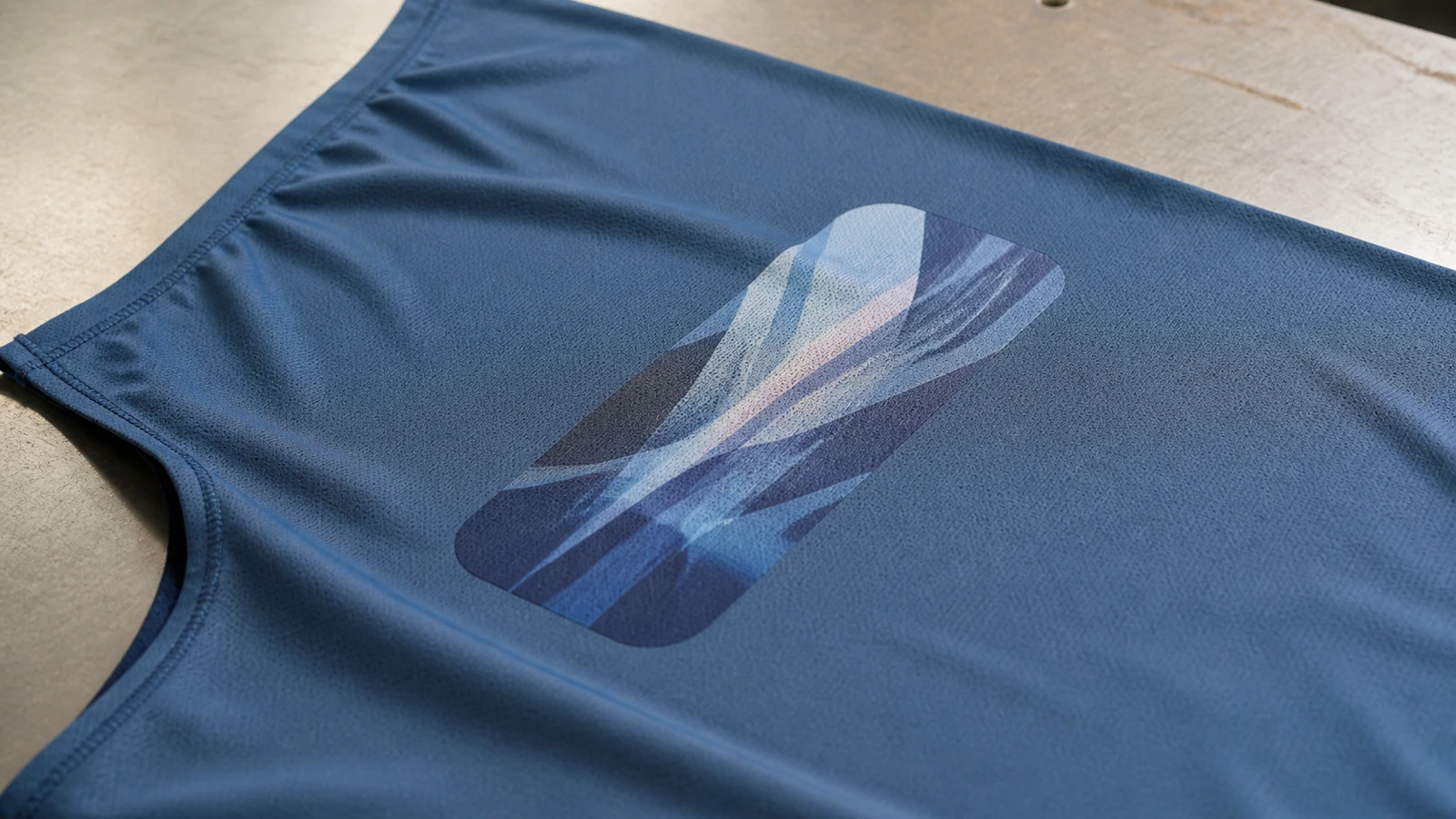
DTF relies on hot-melt adhesive bonding to the garment surface, so composition alone cannot predict adhesion. Surface smoothness and texture affect contact, while softeners, coatings, water-repellent finishes and other treatments may interfere with bonding.
Stretch also matters. A transfer that works on stable heavyweight cotton may feel too firm on lightweight polyester or be stressed by repeated extension. Press temperature, pressure and adhesive compatibility influence the result together, and the finished appearance may differ even when both fabrics pass an initial edge check.
Brands should assess adhesion after cooling and during relevant product testing. If artwork scale or hand-feel goals make DTF unsuitable, a broader review of custom hoodie printing and embroidery methods can help identify another decoration route.
Is DTF Better on Cotton-Polyester Blends?
Cotton-polyester blends are common DTF substrates, but a blend is not automatically easier than either pure fiber. Roland DGA’s overview of DTF-compatible textiles includes 100% cotton, 100% polyester, cotton blends and tri-blends among suitable material categories.
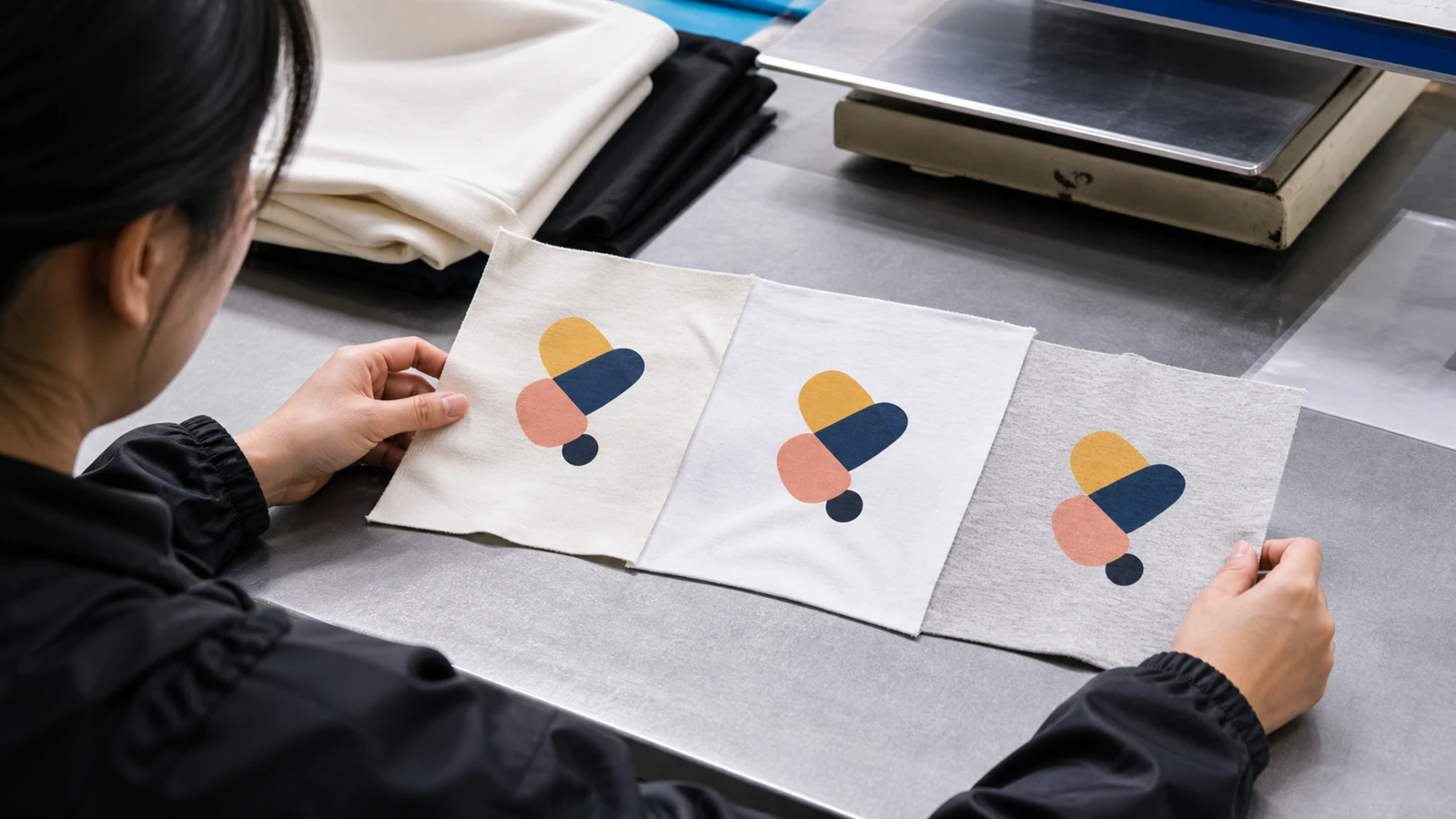
The blend ratio still does not reveal the complete printing surface, dye system, stretch or finish. Heather and solid fabrics with similar composition can behave differently, so approval should use the intended blend and production color.
Which Fabric Is Better for Different Apparel Uses?
For sportswear, polyester may be the correct choice when the product needs a lightweight construction, stretch or quick-drying behavior. The brand should then manage migration, heat response and transfer flexibility rather than replace a suitable performance fabric simply to simplify decoration. The wider hoodie development workflow helps keep intended use, fit and material decisions ahead of decoration convenience.
For heavyweight streetwear and oversized custom T-shirts, cotton or cotton-rich fabric often supports the intended drape and hand feel. Garment dyeing, acid washing, enzyme washing or softening can still change the printing face, so an untreated development blank may not represent the finished style.
Garment color can matter as much as fiber content, especially on polyester. Dark or saturated colors and different dye lots may present different migration risks. Color also changes opacity and edge contrast on cotton and blends, making the production color—not a neutral substitute—the appropriate approval surface.
How Should a Brand Test DTF Before Bulk Production?
Testing should reproduce the proposed production combination as closely as practical:
- Select the actual production fabric, color and garment finish.
- Apply the proposed transfer using the supplier’s specified process.
- Inspect color, edges, marks, distortion and adhesion immediately.
- Recheck the sample after cooling and resting.
- Perform relevant laundering, rubbing, stretch or wear evaluation.
The test plan should record the garment, transfer version, application conditions and observations. The AATCC standard test-method directory includes defined approaches for laundering colorfastness and crocking. These methods are not DTF-specific approval rules, but they demonstrate why durability should be evaluated under controlled conditions rather than by appearance alone.
Testing should match the product, market and performance requirements; it should not be converted into a universal wash-cycle promise. Through an OEM/ODM apparel development process, brands can document revisions and ensure that bulk-production approval refers to a specific garment-and-transfer combination.
Frequently Asked Questions
Does DTF stick better to cotton than polyester?
Not necessarily. Cotton often removes the specific risk of polyester dye migration, but adhesion depends on the fabric surface, finish, texture, stretch, adhesive and application conditions. A finished cotton garment can be more difficult than a compatible polyester garment, so the proposed combination should be evaluated rather than ranked by fiber name.
Can DTF be used on 100% polyester?
Yes. DTF is regularly considered for 100% polyester garments, including performance apparel. Development should follow the transfer-system supplier’s application window and check dye migration, press marks, distortion, stretch and bonding on the intended garment color and construction.
Why does white DTF turn pink on red polyester?
A pink tint can occur when red disperse dye is activated by heat and moves from the polyester into the light transfer layer. The response depends on the dye, garment, barrier properties and heat exposure, so one successful red fabric does not confirm every red polyester lot.
Can DTF be used on cotton-polyester blends?
Yes. Many cotton-polyester and tri-blend fabrics can receive DTF transfers. The blend percentage alone is not an approval result because the face, dye, finish, stretch and heat sensitivity may vary. Brands should use the intended production fabric and color for development.
Should I use DTF or DTG on cotton?
DTG prints ink directly onto the garment and commonly uses garment pretreatment, while DTF creates a film transfer with adhesive powder. The better choice depends on artwork, surface, hand-feel target, placement and production workflow. Cotton content alone does not settle the comparison.
Final Takeaway
Cotton is often simpler for DTF development because it usually avoids polyester dye migration. Polyester remains appropriate when the product requires its performance characteristics, provided heat response, color movement and surface changes are controlled.
The most useful evidence is a documented sample on the actual production fabric, color and finish—not a universal cotton-versus-polyester rule.
Discuss Your Custom Apparel Project
If your brand is evaluating DTF for a T-shirt, hoodie or related apparel program, share the garment type, fabric, color, artwork and sample objectives. Contact YECHENG APPAREL to discuss how those specifications can be reviewed during product development.