Apparel Manufacturing Blog
Practical articles on fabric, garment construction, printing methods, sizing and custom apparel development—written to help brands make better product decisions.
Loading articles…
We could not load the articles. Open the requested page or try again.
Showing 1–9 of 22 articles
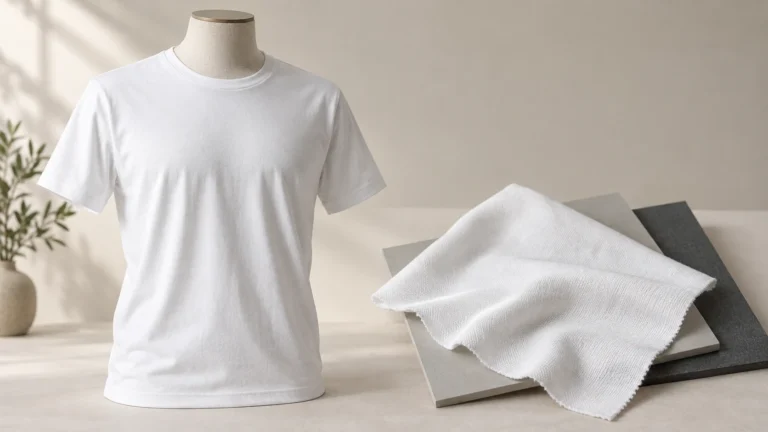
How to Assess Show-Through in White Custom T-Shirts
A white fabric swatch can look sufficiently covered when it lies on a table, then look different when it becomes a T-shirt. For a basics brand, the purchasing question is practical: will the finished shirt give the amount of coverage your collection promises, across the sizes and wearing conditions you intend to approve? Compare fabrics […]
Read Article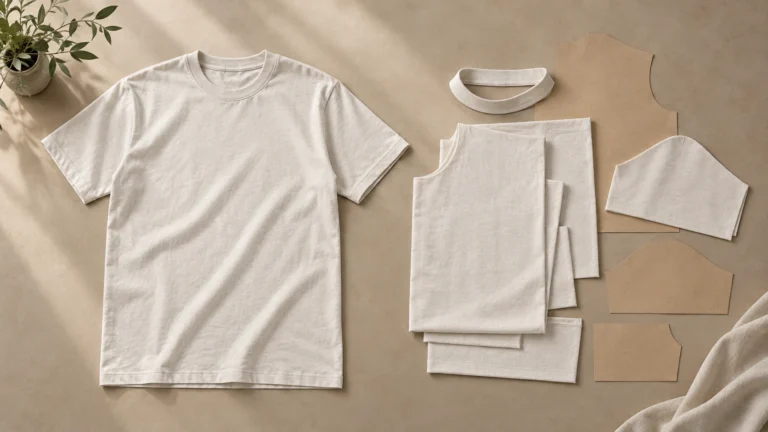
How to Choose Between Blank T-Shirts and Cut-and-Sew OEM Production
AI-generated concept illustration of a blank T-shirt alongside materials for custom garment production; not actual YECHENG production evidence. For a first T-shirt collection, the useful question is whether an existing garment already delivers the product you want to sell. If its fit, fabric, neckline and seams work, decorating a blank may be enough. If the […]
Read Article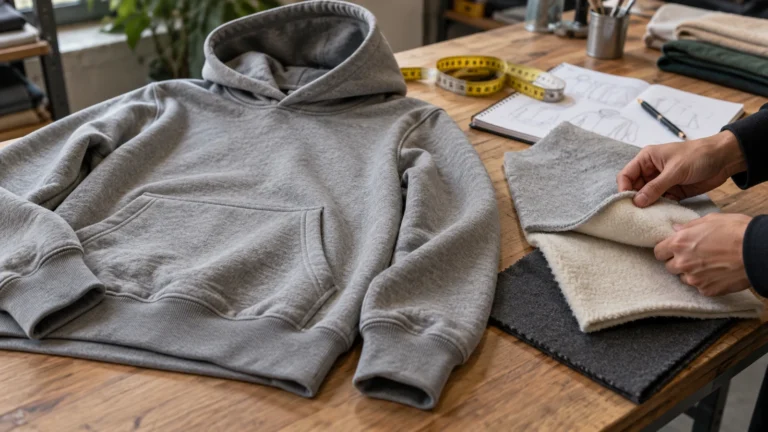
2-End vs 3-End Fleece: How Yarn Construction Changes a Hoodie
Two hoodies can share a similar fiber blend and measured weight yet hang and feel different. One reason is the yarn architecture inside the sweatshirt fabric: a 2-end fleece and a 3-end fleece do not build their face and back in exactly the same way. That difference can influence fullness, surface consistency and the way […]
Read Article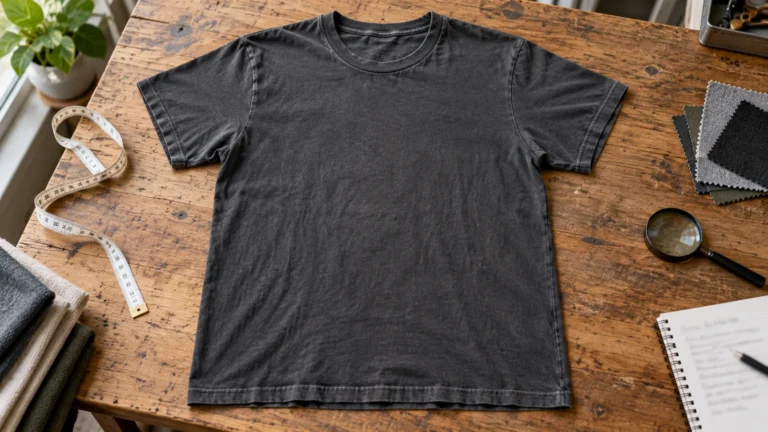
What Makes a T-Shirt Vintage? Age, Tags, Fabric, Print, and Wear Explained
A faded graphic, cracked-looking print and soft cotton can make a T-shirt look old. But do they make it vintage? A new garment can be washed, printed and finished to resemble a shirt worn for decades. Conversely, a carefully stored older shirt may have little visible damage. Appearance is useful evidence, not a birth certificate. […]
Read Article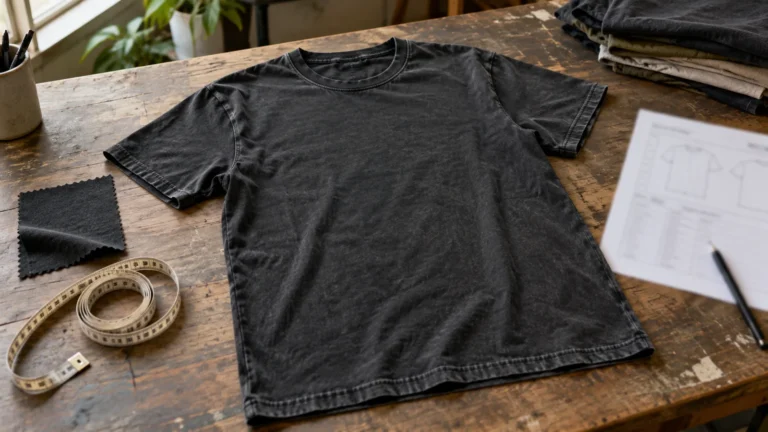
How to Make a Vintage T-Shirt: Fabric, Wash, Print, and Finish Guide
A good vintage T-shirt should look worn-in, not simply damaged. A faded black tee with a soft hand and restrained graphic feels different from a crisp, heavyweight boxy shirt given the same wash. The question is which combination of fabric, shape, color, print and finish supports your reference. For a clothing brand, that distinction matters […]
Read Article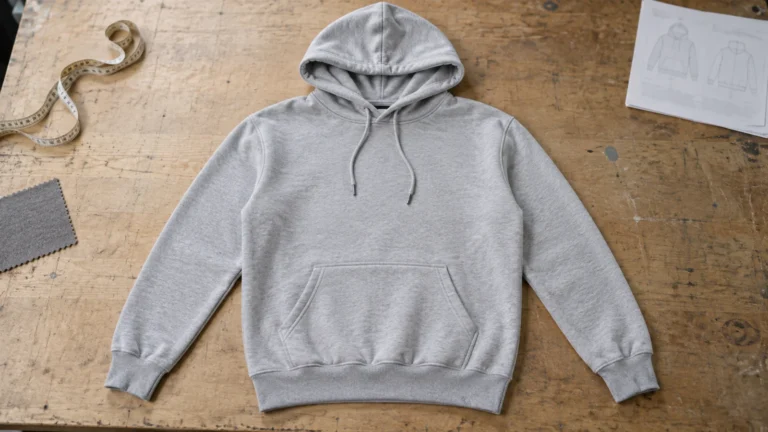
Hoodie Anatomy: 18 Parts That Define Fit, Construction, and Function
A hoodie looks simple, but its fit and function come from many parts working together. Body panels establish the shape; the hood, shoulders, sleeves, cuffs, and hem control how it sits and moves; and pockets, zippers, drawcords, seams, and labels add function and finish. Not every hoodie includes every component. A pullover may have a […]
Read Article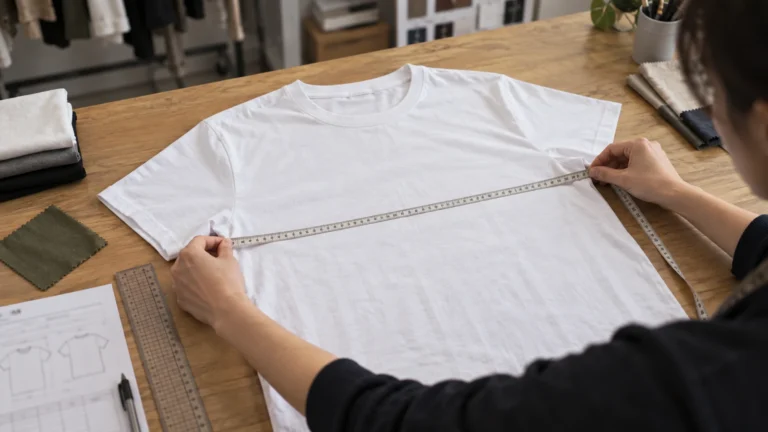
US Shirt Size Guide: 15 Things to Know About Men’s, Women’s, and Unisex Sizing
If you search for a US shirt size chart, you will usually find familiar labels such as XS, S, M, L, XL, and 2XL beside chest or bust measurements. The difficulty is that those measurements are not identical across every brand. A men’s medium at one company may cover a slightly different chest range from […]
Read Article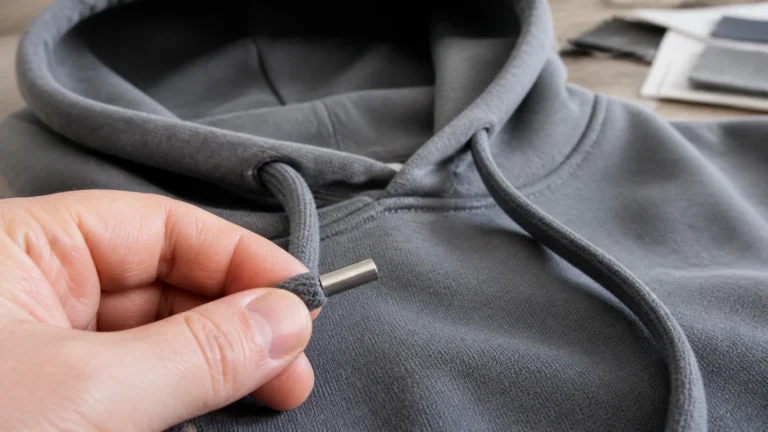
Drawstring Hardware Explained: Aglets, Cord Ends, Eyelets and Toggles
A hoodie or pair of sweatpants may have a small metal piece wrapped around the end of its drawstring. What is that part actually called? The everyday answer is usually an aglet, but apparel developers and trim suppliers may use other names for the same position or for a closely related component. That distinction matters […]
Read Article
Men’s Track Pants Outfit Guide: 15 Ways to Wear Them Well
Track pants are easy to wear and surprisingly easy to style badly. The same pair can look athletic, casual, streetwear-inspired, or unexpectedly polished depending on its shape, fabric, length, and the pieces around it. A tapered training pant does not create the same outline as a fluid straight-leg pair, while wide-leg track pants require a […]
Read Article