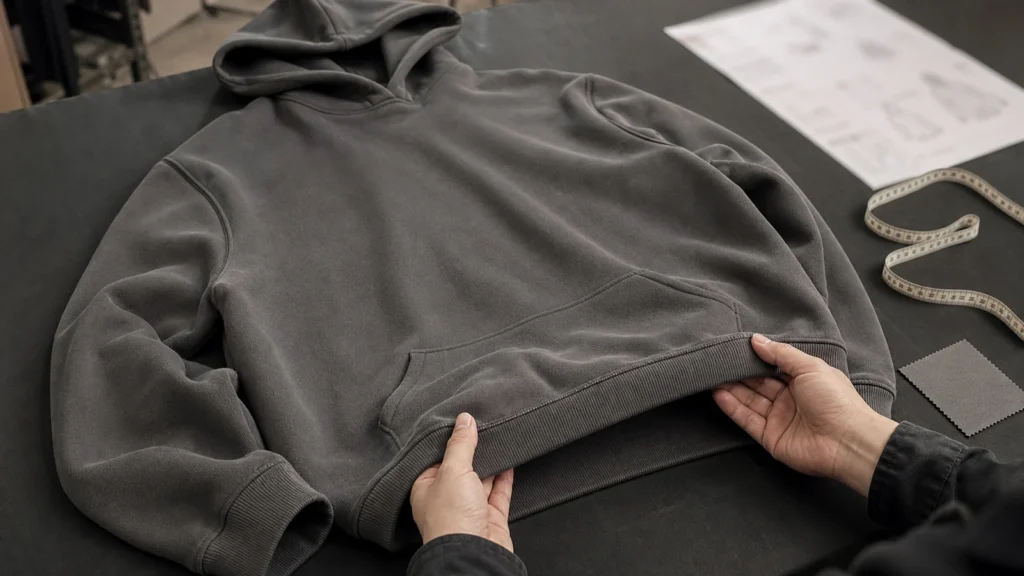
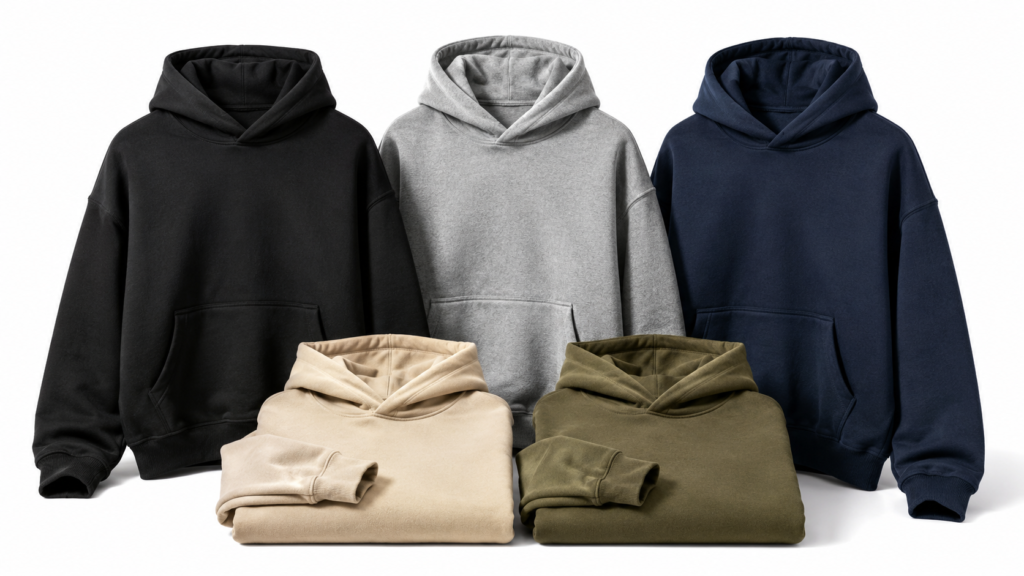
Launching a successful clothing brand requires more than great designs. Choosing the right custom hoodie manufacturer directly impacts product quality, delivery times, customer satisfaction, and long-term brand growth.
Whether you are building a streetwear label, launching a private label clothing business, or scaling an existing apparel brand, finding the right hoodie manufacturer is one of the most important decisions you will make.
This guide explains how to evaluate a custom hoodie supplier and identify the best manufacturing partner for your business.
Click to view moreCustom Hoodies
Why Choosing the Right Hoodie Manufacturer Matters
Your manufacturer is more than a supplier.
The right manufacturing partner helps ensure:
- Consistent product quality
- Reliable production schedules
- Competitive pricing
- Professional customization services
- Brand growth support
- Long-term supply chain stability
A poor supplier can lead to production delays, quality complaints, and lost customers.
For this reason, choosing a professional custom hoodie manufacturer should be a priority for every clothing brand.
1. Look for a Manufacturer Specializing in Custom Hoodies
Not every garment factory specializes in hoodie production.
An experienced hoodie manufacturer understands:
- Heavyweight cotton fabrics
- French terry fabrics
- Fleece-lined hoodies
- Oversized streetwear silhouettes
- Rib cuff construction
- Hoodie washing techniques
- Modern embroidery and printing processes
Before making a decision, ask the manufacturer for examples of previous hoodie projects and production capabilities.
Questions to Ask
- How many years have you produced hoodies?
- What hoodie styles do you manufacture?
- Can you provide production samples?
- Do you support OEM and ODM projects?
- Have you worked with international clothing brands?
2. Evaluate Fabric Options
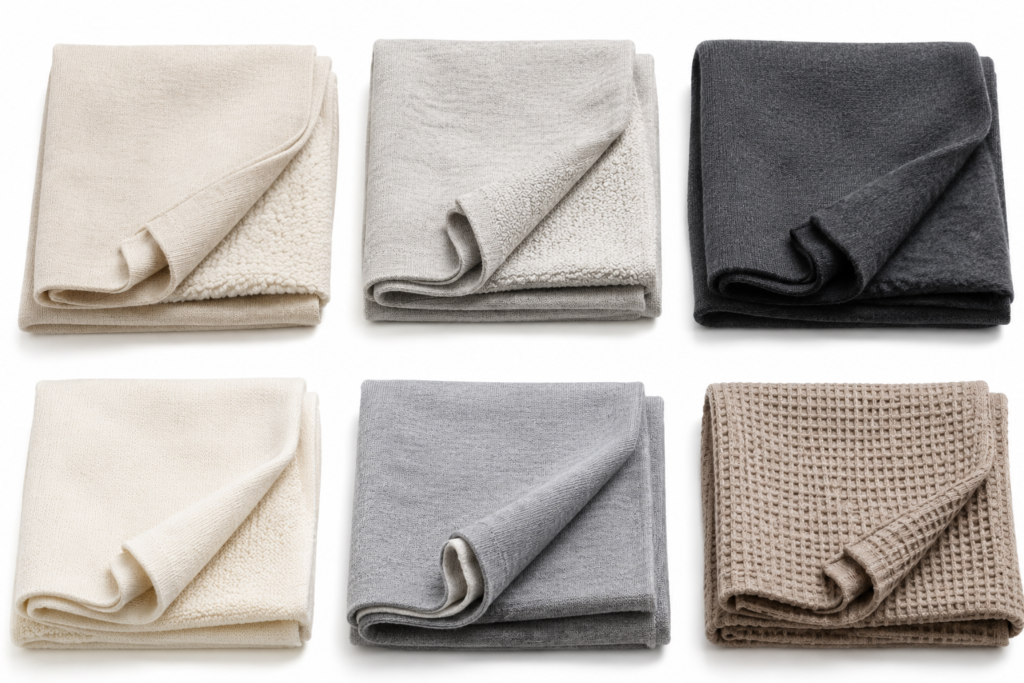
Fabric quality is one of the most important factors influencing customer satisfaction.
A professional hoodie factory should offer multiple fabric options to meet different brand positioning requirements.
Common Hoodie Fabrics
- Cotton Fleece – Soft, warm, premium feel
- French Terry – Lightweight and breathable
- Cotton Polyester Blend – Durable and economical
- Heavyweight Cotton – Premium streetwear quality
- Organic Cotton – Sustainable and eco-friendly
For premium streetwear brands in Europe and North America, heavyweight fabrics ranging from 350gsm to 500gsm remain highly popular.
The right manufacturer should be able to recommend fabrics based on your target market and budget.
3. Check Customization Capabilities
Successful clothing brands need more than blank hoodies.
Choose a hoodie manufacturer capable of offering complete customization services.
Printing Options
- Screen Printing
- Puff Printing
- DTG Printing
- Heat Transfer Printing
- Reflective Printing
Embroidery Options
- Flat Embroidery
- 3D Puff Embroidery
- Applique Embroidery
- Patch Embroidery
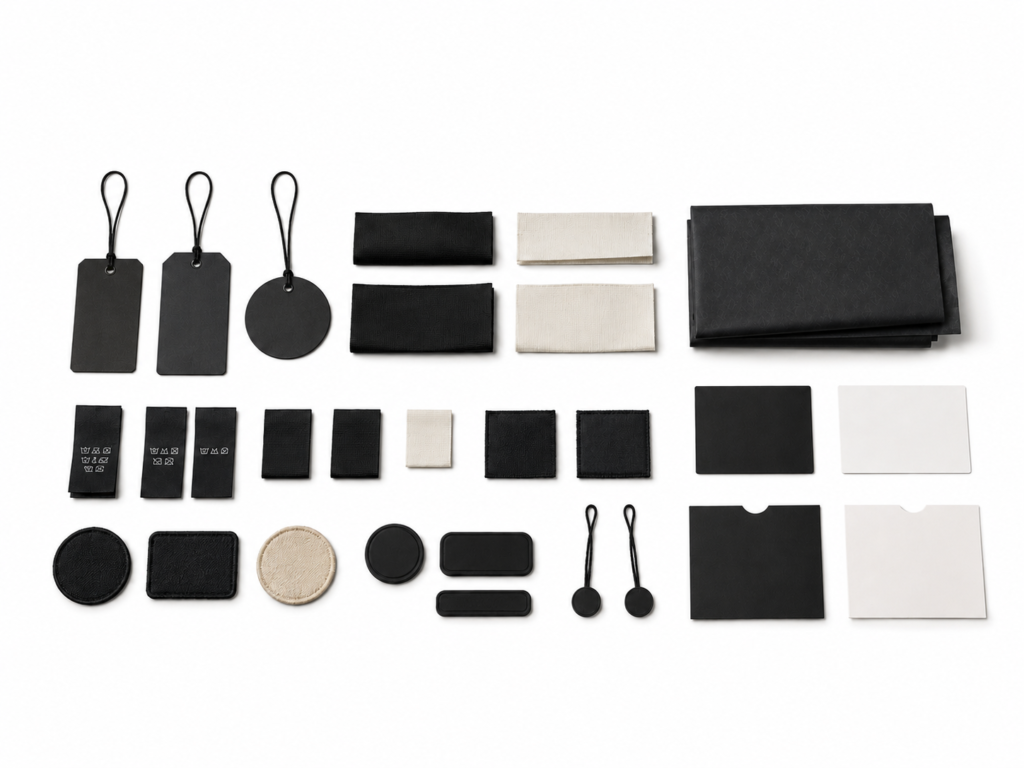
Private Label Services
- Woven Labels
- Neck Labels
- Hang Tags
- Custom Packaging
- Wash Labels
- Size Labels
Comprehensive customization options help create a stronger and more recognizable brand identity.
4. Review Minimum Order Quantity (MOQ)
MOQ requirements vary depending on the manufacturer.
- Startup Brands: 50–100 Pieces
- Growing Brands: 100–300 Pieces
- Established Brands: 300+ Pieces
If you are launching a new clothing brand, selecting a manufacturer with flexible MOQ requirements can reduce risk and improve inventory management.
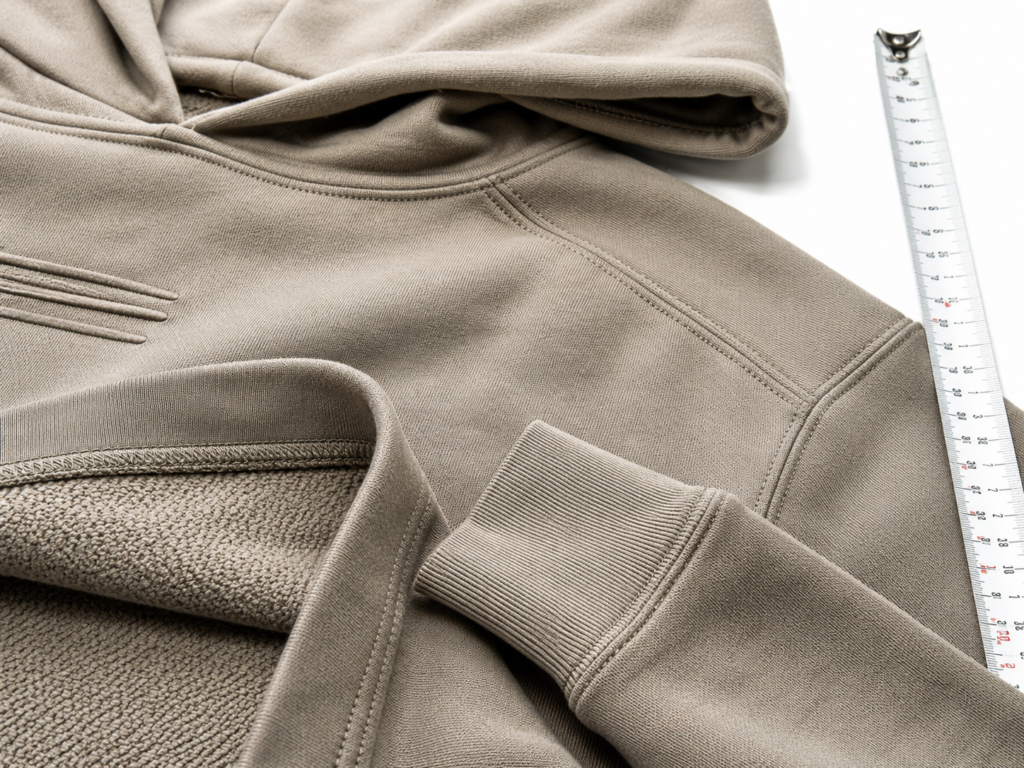
5. Verify Quality Control Processes
Quality control is essential for maintaining customer satisfaction and reducing returns.
A reliable hoodie manufacturer should conduct inspections throughout the production process.
Quality Control Checklist
- Fabric Inspection
- Cutting Inspection
- Sewing Inspection
- Printing Inspection
- Embroidery Inspection
- Measurement Inspection
- Packaging Inspection
Ask suppliers whether they provide:
- QC Reports
- Production Photos
- Video Inspections
- Third-Party Inspection Support
Strong quality control systems often indicate a professional and reliable factory.
6. Assess Communication and Responsiveness
Efficient communication is one of the most overlooked factors when choosing a supplier.
A professional manufacturer should:
- Reply quickly to inquiries
- Provide clear quotations
- Explain production timelines
- Offer technical recommendations
- Share regular production updates
Communication issues often lead to misunderstandings, delays, and increased costs.
Evaluate supplier responsiveness before placing an order.
7. Request Samples Before Bulk Production
Never skip the sampling process.
A sample allows you to evaluate:
- Fabric Quality
- Hoodie Fit
- Stitching Quality
- Printing Results
- Embroidery Accuracy
- Color Consistency
Most successful apparel brands complete at least one sample round before approving mass production.
Sample development is significantly less expensive than correcting bulk production errors.
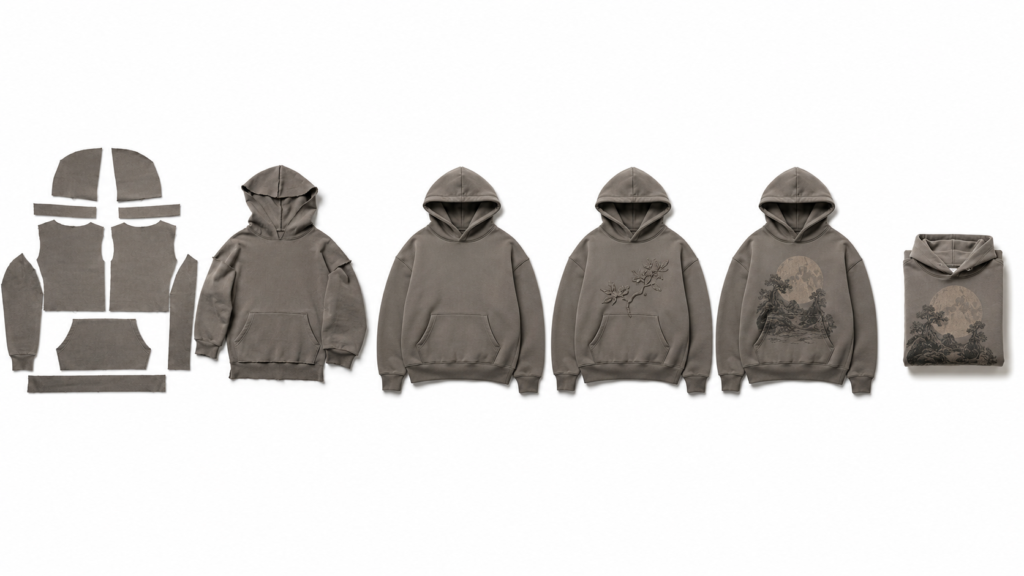
8. Check Production Capacity and Lead Times
Your manufacturer should be capable of supporting future business growth.
Production Capacity Questions
- Monthly production volume
- Factory size
- Number of production lines
- Number of workers
- Peak season capacity
Typical Production Timeline
- Sample Development: 7–14 Days
- Fabric Sourcing: 7–15 Days
- Bulk Production: 20–35 Days
- Shipping: Depends on Destination
Reliable lead times are critical for product launches and seasonal collections.
9. Look for Experience with International Brands
Manufacturers experienced in exporting to Europe and North America generally understand:
- International sizing standards
- Packaging requirements
- Product compliance regulations
- Import documentation
- Shipping logistics
This experience helps reduce production risks and improves overall project efficiency.
10. Compare Total Value Instead of Price Alone
The lowest price does not always represent the best value.
When comparing suppliers, evaluate:
- Product Quality
- Fabric Options
- Customization Services
- Quality Control
- Communication
- Lead Times
- Production Capacity
Many successful clothing brands choose manufacturers that provide consistent quality rather than simply the lowest cost.
Common Red Flags to Avoid
❌ Cannot provide samples
❌ Offers unusually low pricing
❌ Has poor communication
❌ Refuses factory verification
❌ Cannot explain quality control procedures
❌ Lacks export experience
These warning signs often indicate potential production issues.
Why Many Brands Choose Chinese Hoodie Manufacturers
China remains one of the world’s leading apparel manufacturing centers because of its:
- Complete supply chain ecosystem
- Competitive production costs
- Advanced manufacturing equipment
- Skilled workforce
- Flexible customization capabilities
- Strong export experience
For many global clothing brands, partnering with a professional Chinese hoodie manufacturer offers the best combination of quality, efficiency, and cost-effectiveness.
Conclusion
Choosing the right custom hoodie manufacturer is a crucial step toward building a successful clothing brand.
The best manufacturing partners provide:
✔ Premium Fabric Options
✔ Flexible Customization
✔ Reliable Quality Control
✔ Competitive Pricing
✔ Professional Communication
✔ Scalable Production Capacity
Before making your final decision, request samples, evaluate production capabilities, and verify the factory’s experience working with international brands.
A trusted manufacturing partner can help your business grow faster and achieve long-term success.
Frequently Asked Questions
What is the minimum order quantity for custom hoodies?
Most manufacturers offer MOQs ranging from 50 to 300 pieces depending on fabric selection and customization requirements.
How long does custom hoodie production take?
Sample development typically takes 7–14 days, while bulk production usually requires 20–35 days after sample approval.
What is the best fabric for premium hoodies?
Heavyweight cotton fleece between 350gsm and 500gsm is widely regarded as the preferred fabric for premium streetwear hoodies.
Can manufacturers provide private label services?
Yes. Most professional OEM hoodie manufacturers offer custom labels, hang tags, packaging, embroidery, and printing services.
Why manufacture hoodies in China?
China offers advanced production capabilities, flexible MOQs, competitive pricing, and extensive experience serving international fashion brands.