When brands compare fleece vs French Terry hoodies, the defining issue is usually the fabric’s inner surface, not a fiber name or one GSM figure. Here, fleece means brushed knit sweatshirt fleece used for hoodies and sweatshirts—not wool fleece, Sherpa fleece, polar fleece or a standalone polyester pile jacket.
French Terry and brushed fleece may both use cotton, cotton-polyester blends or other approved fiber blends. French Terry is not necessarily 100 percent cotton, and fleece is not necessarily polyester. A useful comparison begins with knit structure, the technical back and the finish applied to the actual fabric.
Quick Answer
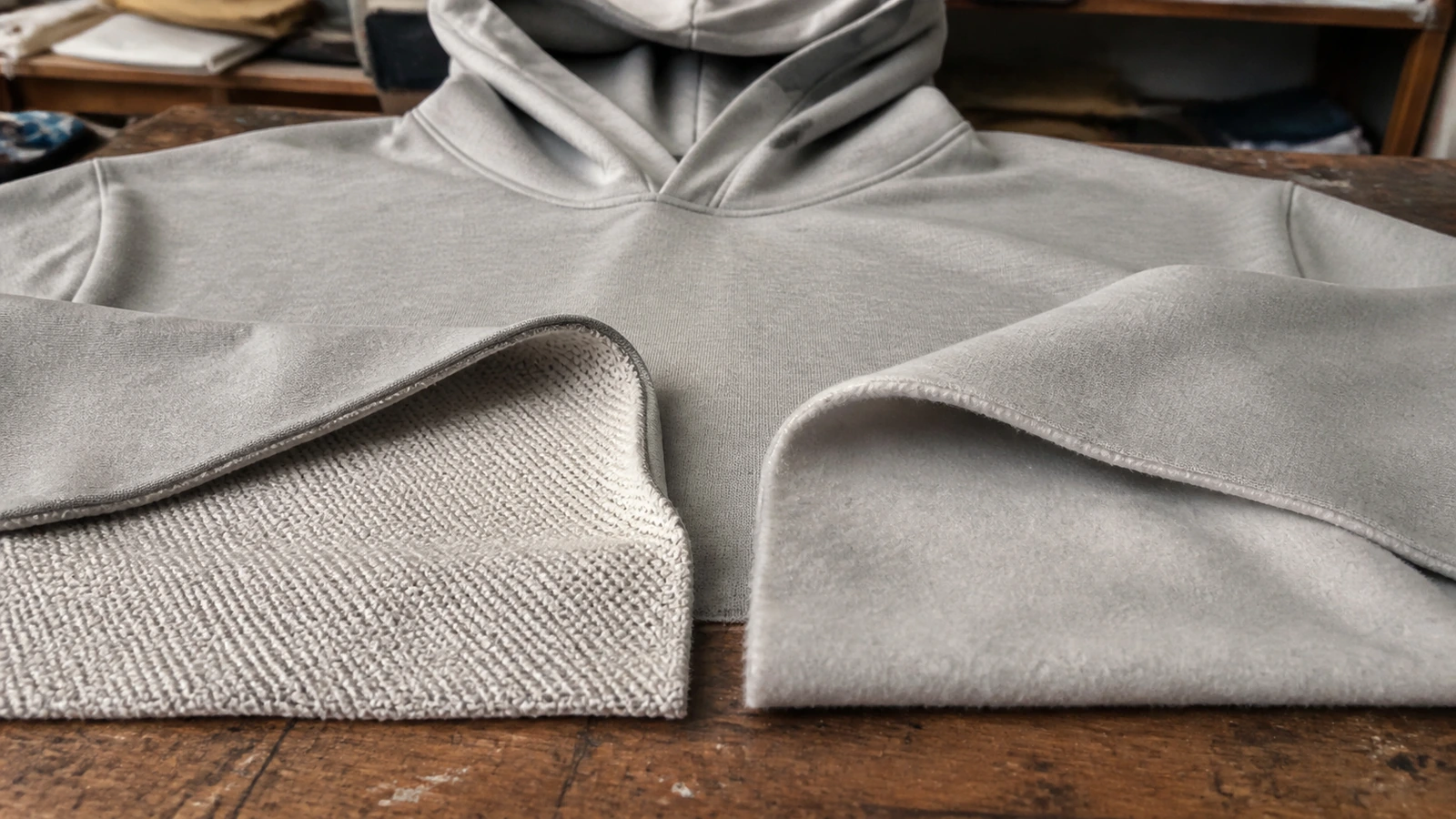
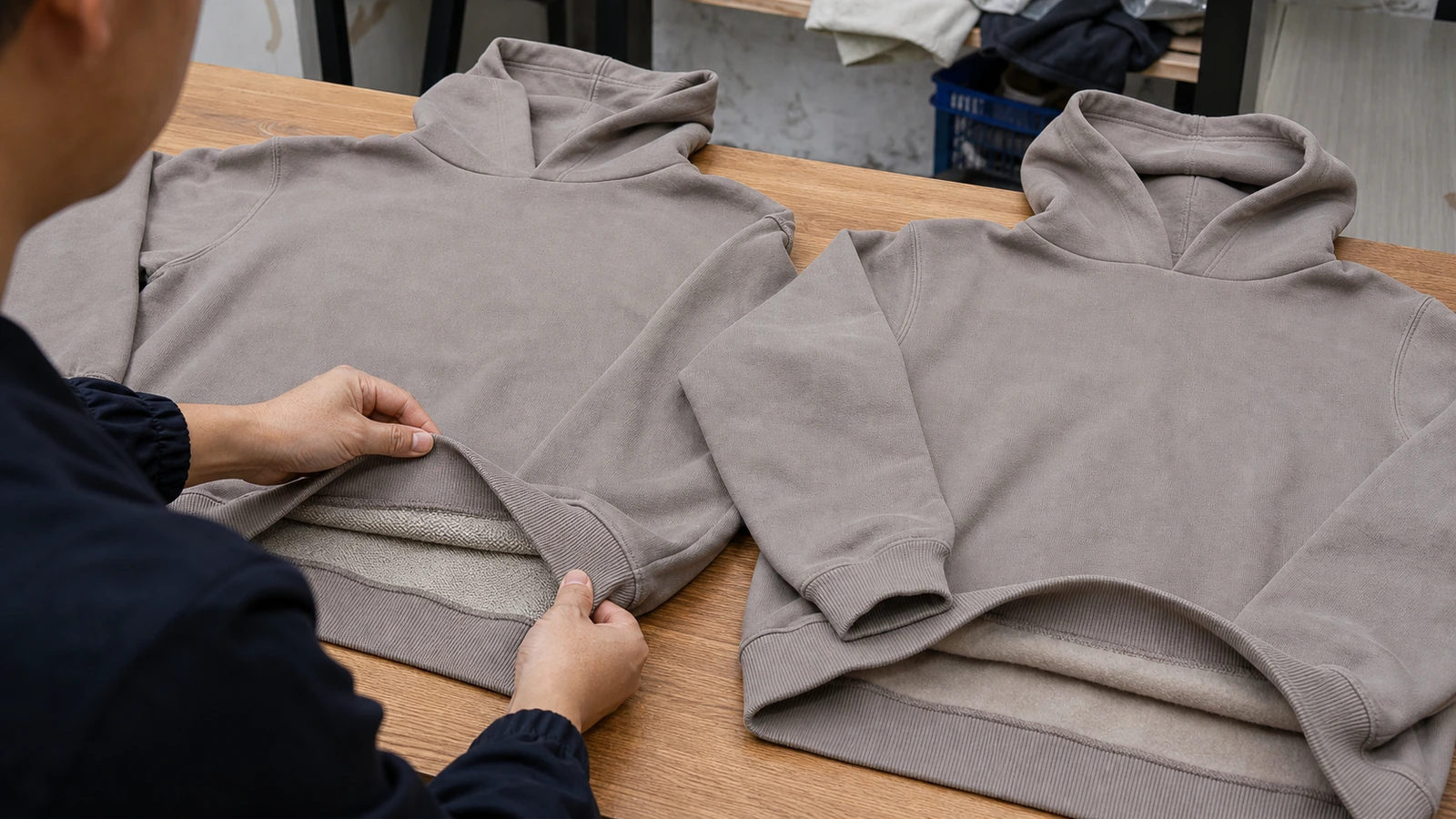
French Terry normally keeps visible loopback or float-loop yarns on the inside. Conventional sweatshirt fleece begins with a related knit structure, but its inside is brushed or napped so fibers rise from the yarn surface into a soft pile. This finishing difference explains why the fabrics can feel distinct even when their outer faces look similar.
Brushed fleece generally suits a warmer, softer interior, while French Terry often supports a more breathable, relaxed and cross-season direction. Neither is automatically better. GSM, knit density, yarn size, fiber blend, finishing, garment fit and target climate all matter.
Brands should therefore compare real swatches and finished hoodie samples rather than choose by trade name alone. Sampling reveals drape, recovery, decoration performance and the effect of the intended wash or finish.
What Is the Main Difference Between Fleece and French Terry Hoodies?
The main difference is the technical back, which normally becomes the hoodie interior. French Terry keeps its loop or float structure visible and unbrushed. Sweatshirt fleece is usually brushed or napped on that side, creating a soft raised surface. CottonWorks explains French Terry construction as an unnapped fleece structure with a jersey-like technical face and floats on the technical back.
Brushing and napping lift fibers from the yarn surface, adding loft that may trap more still air. In a custom hoodie program, define the intended loopback or brushed interior before comparing color and weight.
Is French Terry Actually a Type of Fleece?
In industry terminology, French Terry is often described as unnapped or unbrushed fleece. This can sound confusing because shoppers often use “fleece” only for a fuzzy interior. Structurally, the fabrics are related; for product development, the presence or absence of brushing is the clearest distinction.
Specifications should identify face, back, fiber content, weight, finish and approved sample because “fleece hoodie fabric” covers many constructions.
What Do the Technical Face and Technical Back Reveal?
Knit fabrics are formed by intermeshing yarn loops, which contribute to flexibility and movement comfort. The CottonWorks overview of knit basics distinguishes the technical face from the technical back. The face is usually the smoother outer hoodie surface; the back carries the loop, float or brushed structure.
Both sides matter: the face influences visible texture and printing, while the back affects inside touch and perceived warmth.
What Does the Inside of French Terry Fabric Look Like?
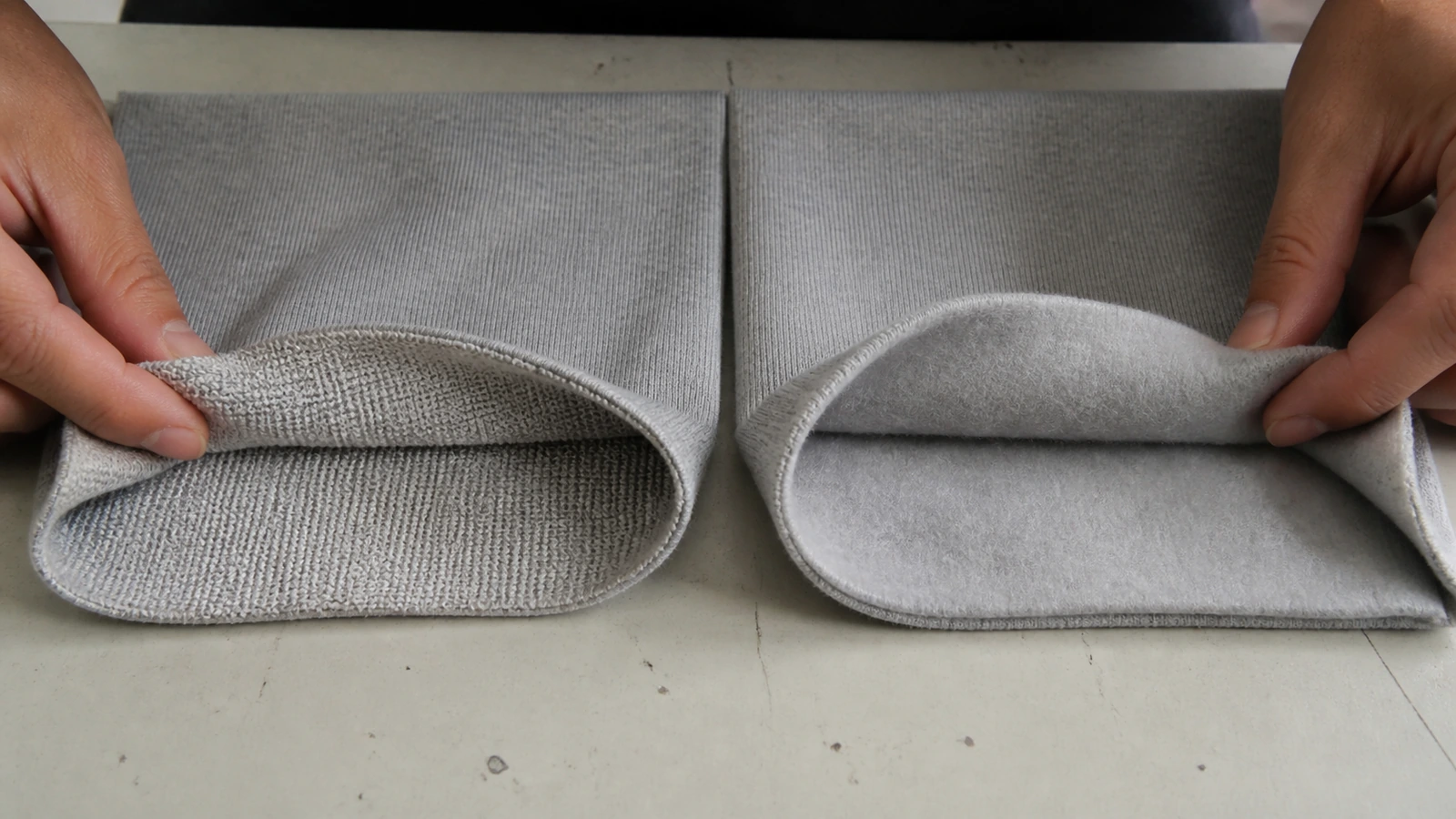
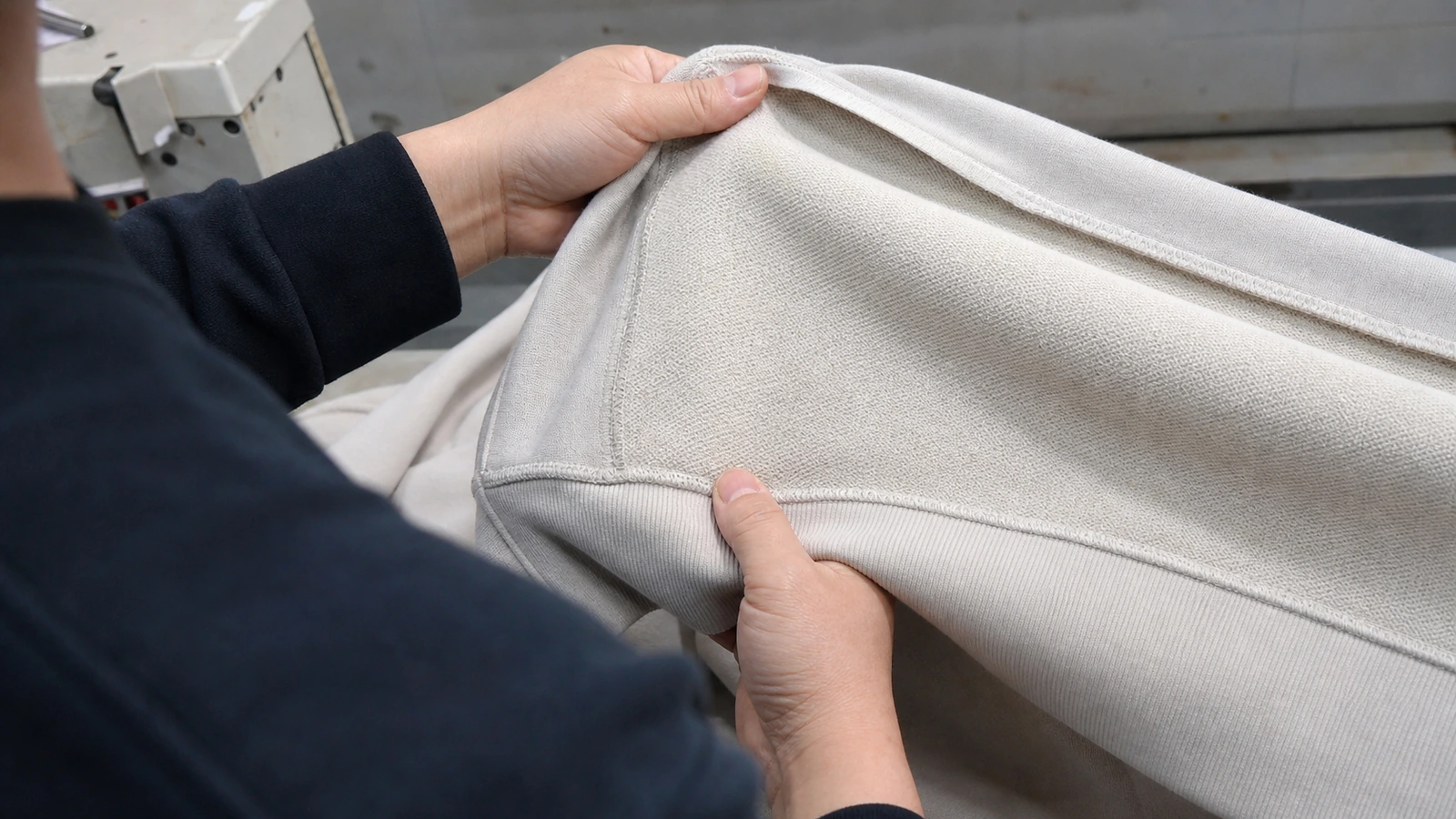
French Terry shows loopback or float-loop yarns on the inside. Loop size and spacing vary with the knitting specification, and the visible structure is intentional rather than a defect. The unbrushed back feels more defined and less plush than a napped surface, although washing or softening may change the final hand.
What Does the Inside of Brushed Fleece Look Like?
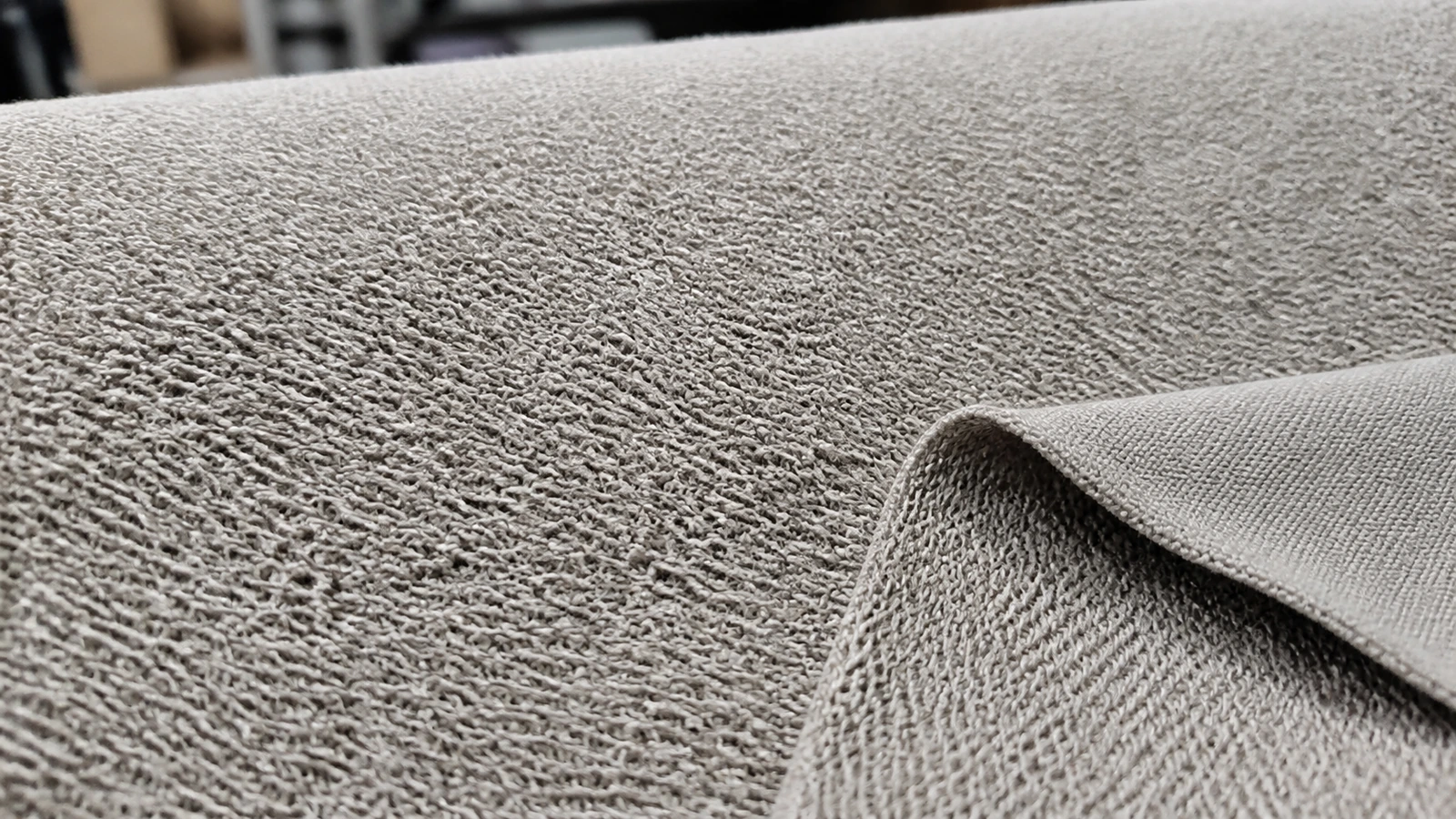
Brushed sweatshirt fleece has a softer, more diffuse inside because napping raises surface fibers and obscures much of the original loop structure. Pile depth and uniformity should be checked on the actual lot. A fuzzy appearance does not prove fiber content, warmth or pilling performance.
How Do 2-End and 3-End Fleece Constructions Differ?
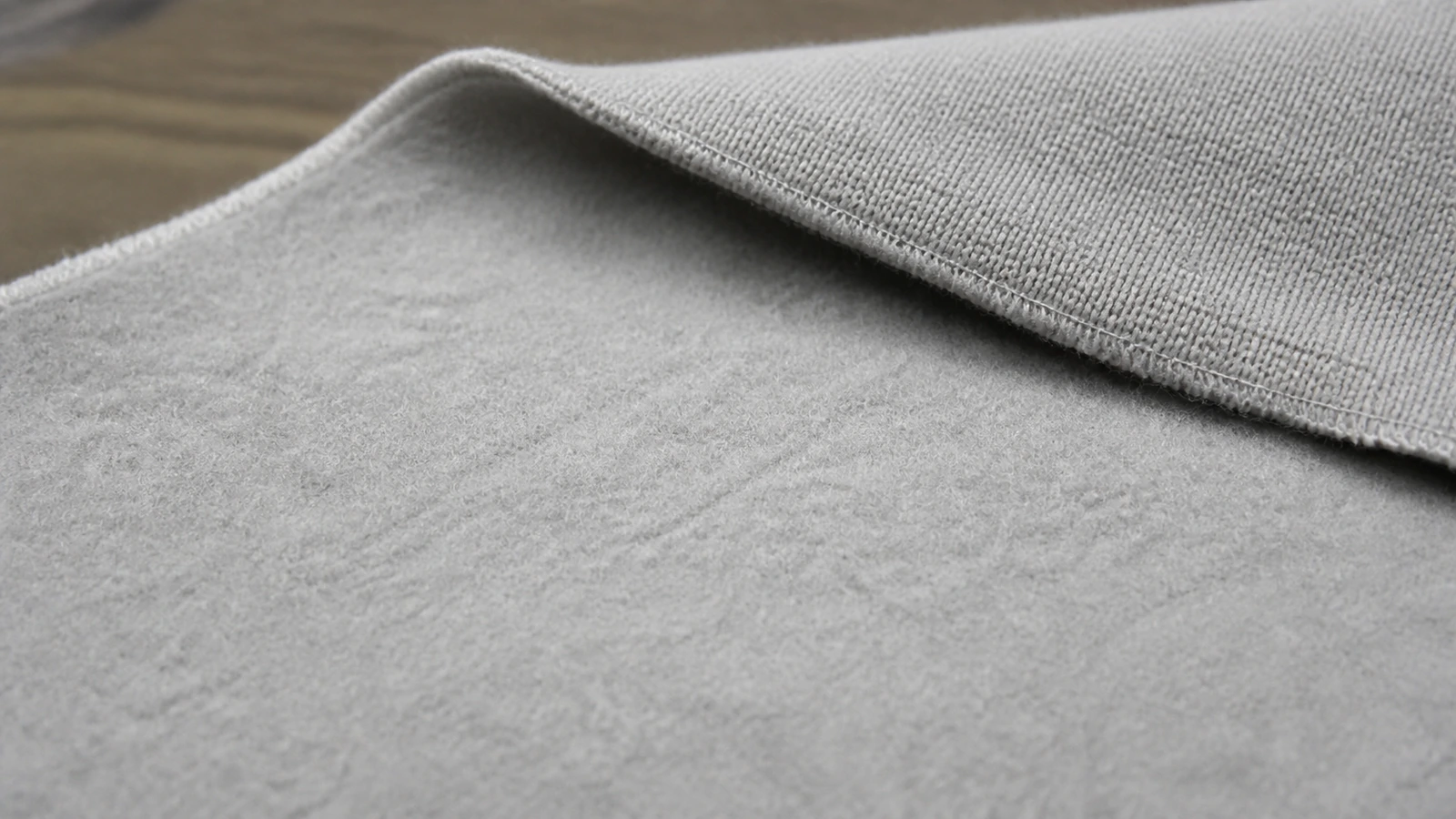
In a simplified 2-end construction, two related yarn systems create the face and backing loops or floats. French Terry is commonly discussed in this family when the back remains unnapped; brushing can turn the back into a soft sweatshirt-fleece surface.
A 3-end construction separates face ground, tie and pile functions and can provide fuller body. It is not automatically superior; yarn, knitting, finishing and garment requirements still decide suitability.
Which Hoodie Fabric Feels Warmer?
Brushed fleece generally feels warmer because the raised interior creates loft and holds air near the body. Its plush first touch also increases the perception of warmth. The result should still be confirmed in a garment sample because density, thickness and brushing level vary.
French Terry normally has less insulating loft, yet a dense, substantial French Terry can feel warmer than a light fleece. Garment fit, cuffs, hem rib and layering also influence comfort independently of the fabric name.
Which Fabric Is More Breathable and Better for Different Seasons?
French Terry is generally selected for a more breathable, cross-season hoodie, while brushed fleece is more often positioned for cooler-weather softness. CottonWorks’ digital cotton guidance supports this broad distinction, but it is product positioning rather than a guaranteed laboratory result.
Air permeability and comfort still change with density, thickness, blend, finish and fit. Regional climate and layering should guide approval.
Is French Terry Better for Spring and Summer?
French Terry can suit spring, mild summer or transitional products because its unbrushed interior often feels less enclosing. A heavy, dense French Terry may still be too substantial for hot or humid conditions, so seasonal suitability should be wear-tested.
Is Fleece Better for Autumn and Winter?
Brushed fleece often suits autumn and winter because its napped back offers a soft, insulating feel. Weight, hood design, layering and local weather remain important, and a fleece hoodie should not be presented as technical cold-weather protection without evidence.
Does a Higher GSM Always Mean a Warmer Hoodie?
No. GSM indicates mass per unit area. The ASTM fabric-weight test method covers methods for measuring that value, but GSM is not a synonym for thickness, brushing level or insulation.
Two fabrics with similar GSM may use different yarn sizes, knit densities, blends and brushing. One may feel compact; another may feel loftier because its raised surface traps more air. A fleece hoodie fabric and GSM guide adds context, but final approval still requires the actual swatch and garment.
Which Fabric Feels Heavier or More Structured?
Either fabric can feel heavier. French Terry may offer a cleaner drape when its loops remain compact, while brushed fleece may appear thicker after napping even without greater mass per unit area.
For oversized streetwear, structure comes from weight, density, recovery, rib and pattern shape. Hang and wear-test the sample rather than selecting by name.
How Do Fleece and French Terry Handle Moisture and Drying?
French Terry is often described as breathable and brushed fleece as warm, but those labels cannot prove wicking, absorption or drying speed. Fiber blend, yarn treatment, density, brushing and chemical finishes can all change liquid behavior.
AATCC moisture-management testing evaluates measurable properties such as spreading and wicking. Performance claims should therefore be tested on the finished fabric, and a garment wash review should confirm drying, surface appearance and hand feel.
Which Fabric Is Better for Screen Printing or Embroidery?
Both fabrics can support common hoodie decoration. The inner construction affects body and handling, but the outer technical face more directly controls print clarity. Embroidery introduces stability and backing requirements. Approval should use the selected fabric rather than a generic substitute.
Which Fabric Is Better for Screen Printing?
Neither is automatically better. Results depend on outer-face smoothness, hairiness, fiber content, color, ink, coverage and washing. A smooth fleece face may print more clearly than a textured French Terry, while a stable French Terry may outperform a loose fleece. Compare custom hoodie printing methods with the actual artwork and placement.
Which Fabric Is Better for Embroidery?
Embroidery requires suitable stability, weight, stretch, knit density, backing and stitch density. Brushing alone does not determine whether stitching will pucker. A garment sample should be checked for distortion, reverse-side comfort and stitch coverage.
Which Fabric Works Better for Washed or Vintage Hoodies?
French Terry and brushed fleece can both support washed or vintage effects, but finishing may change shade, shrinkage, hand feel, pile and abrasion. An unbrushed interior may keep more visible structure, while a brushed back may become softer or less uniform.
Review face yarn, dye route, construction and decoration together, then approve a finished sample with defined acceptable variation.
Do Pullover and Zip-Up Hoodies Need Different Fabric Choices?
Both styles can use either fabric, but construction changes material behavior. A pullover has a continuous front and often a kangaroo pocket; a zip-up adds a zipper, facing and seam bulk. Loftier fabrics may require extra attention to zipper and hood balance.
For zip-ups, check zipper-edge waviness and front alignment. For pullovers, inspect pocket stability and body drape. Let the approved sample guide the choice.
How Should a Brand Compare Fleece and French Terry Samples?
Begin with identified swatches showing face, back, fiber blend, measured weight and finish. Under consistent light, compare loop or nap uniformity, stretch, recovery, thickness, drape and surface hairiness. Measurements should follow an agreed method rather than an informal impression.
Next, develop a representative sample with intended construction, decoration and wash. Review fit, seam bulk and inside touch. YECHENG’s clothing sampling service can support this review; keep the approved sample and specification as production references.
Fleece vs French Terry Hoodie Comparison
| Feature | French Terry Hoodie | Brushed Fleece Hoodie | What Brands Should Check |
|---|---|---|---|
| Inside Surface | Visible loopback or floats | Brushed or napped pile | Back structure and uniformity |
| Warmth | Generally less insulating | Generally warmer-feeling | Actual sample and target climate |
| Breathability | Often more open-feeling | Often more enclosing | Density, thickness and fit |
| Typical Season | Cross-season or mild weather | Cooler-weather programs | Regional market and layering |
| Hand Feel | Defined, looped interior | Soft, fuzzy interior | Finish before and after washing |
| Drape | Can feel cleaner or more fluid | Can feel fuller or loftier | Pattern, weight and recovery |
| Structure | Depends on knit specification | Depends on knit and brushing | 2-end/3-end, density and yarn |
| GSM Interpretation | Mass per unit area only | Mass per unit area only | Measured GSM plus thickness |
| Printing | Outer face is decisive | Outer face is decisive | Smoothness, hairiness and finish |
| Embroidery | Needs stable support | Needs stable support | Backing, stretch and stitch density |
| Washed Finishing | Loops may remain visible | Nap may change after finishing | Shade, shrinkage and surface |
| Best Development Use | Breathable, cross-season direction | Soft, warm interior direction | Brand position and approved sample |
These are typical tendencies, not fixed specifications. Confirm each point on the actual material and garment because fabrics sold under the same name can behave differently.
Frequently Asked Questions
What is the main difference between fleece and French Terry?
French Terry keeps loops or floats visible inside, while sweatshirt fleece is brushed or napped into a soft raised surface. Fiber content can overlap, so the technical-back finish is more useful than assuming one is cotton and the other polyester.
Is French Terry warmer than regular cotton jersey?
French Terry may feel more substantial than lightweight single jersey because its backing loops add body, but warmth depends on weight, density, blend, thickness, fit and finishing. Compare actual samples rather than use the names as a fixed thermal ranking.
Is fleece always heavier than French Terry?
No. Brushing adds visual thickness and loft without proving a higher GSM. Heavy French Terry may outweigh light fleece, and materials with similar GSM can still feel different because of density, yarn and surface finish.
Can French Terry be used for winter hoodies?
Yes, when weight, density, construction and layering suit the target climate. It may not provide the same plush interior as brushed fleece, so brands should wear-test the finished sample for their market.
Which is better for oversized streetwear hoodies?
Either can work. Dense French Terry can give controlled drape, while substantial brushed fleece can create fuller volume and warmth. Pattern shape, rib recovery, hood weight and finishing should be assessed with the sample.
How can a brand confirm the right hoodie fabric before bulk production?
Compare identified swatches, verify measured specifications, then make a representative sample with the intended fit, trims, decoration and wash. Approve it after checking inner surface, drape, recovery, seams, comfort and finished appearance.
Conclusion
French Terry keeps a visible unbrushed loopback, while sweatshirt fleece has a raised napped interior. This often makes French Terry feel more cross-season and fleece feel softer and warmer, but GSM, density, yarn, blend, thickness, finish and fit can change the result.
Brands should align the fabric with climate, silhouette, decoration and market position, then approve the real swatch and finished sample. A precise specification is more reliable than treating either fabric name as a quality grade.
Discuss Your Custom Hoodie Project
Share your hoodie style, target season, hand-feel goal, fabric direction, fit, color, decoration and sample requirements with YECHENG APPAREL. Contact us to discuss your custom hoodie project and plan a fabric-and-sample review for your brand.