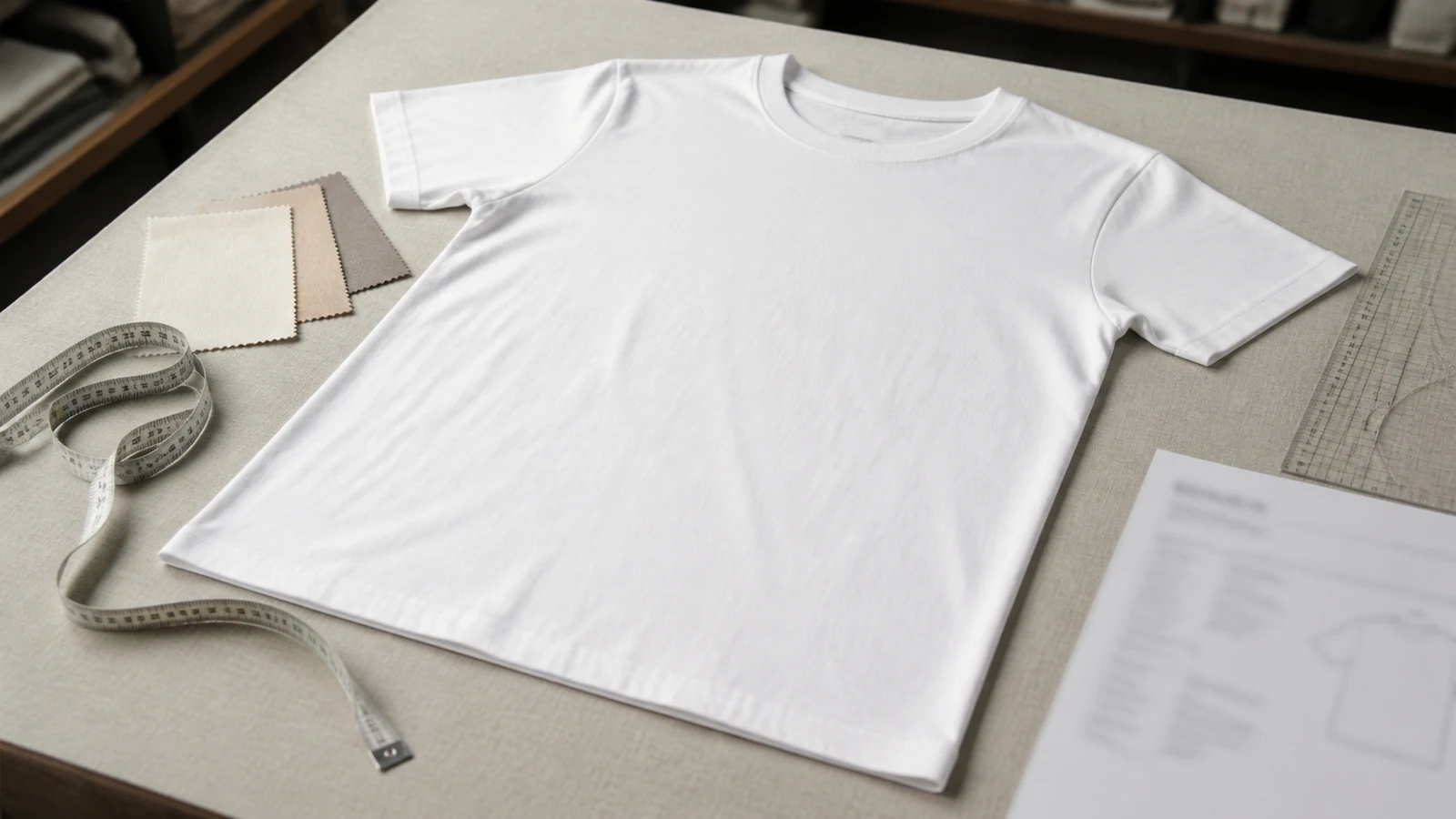
You find a plain T-shirt with no obvious men’s or women’s marking. Can the cut tell you what it was designed for? Sometimes the garment provides useful clues, but a single feature rarely proves the category. Shoulder width, chest room, waist shaping, body length, sleeves, and neckline all vary with the design.
The most reliable evidence comes from the original label, style code, manufacturer, and size chart. Two shirts may look similar while using different fit blocks, and two shirts sold in different categories may have almost identical measurements. Modern unisex, relaxed, boxy, and oversized styles make visual guessing even less dependable.
How Can You Tell If a T-Shirt Is Men’s or Women’s?
The fastest and most reliable method is to check the neck or care label, find the style number, and compare it with the original manufacturer’s product page. If that information is missing, use the brand’s size chart and measure the garment across the chest, shoulders, body, waist, sleeves, and hem.
No single measurement or construction detail can universally identify the category. ISO 8559-2:2025 describes clothing size designation through body-dimension indicators, which reinforces why a size system is more meaningful than one visual characteristic. Fit conventions still vary by brand, style, market, and intended silhouette.
Is the Label the Best Way to Identify a Men’s or Women’s T-Shirt?
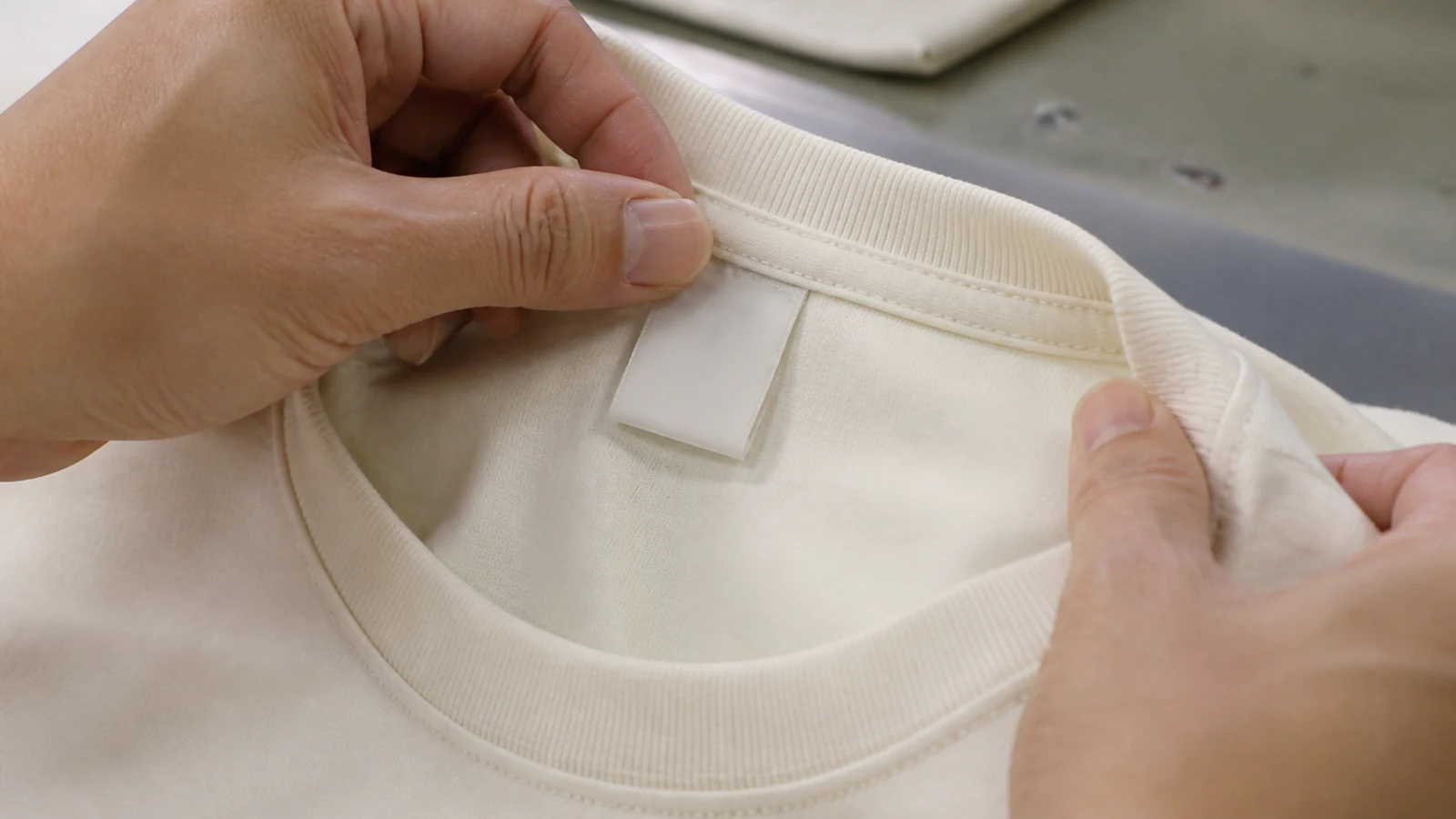
Yes, when the original label or style information is available. A neck label, care label, SKU, or style number may identify the garment as men’s, women’s, unisex, or adult. Even when the category is not printed clearly, a searchable code can connect the shirt to an official product specification.
For example, the Gildan Softstyle Women’s T-Shirt G64000L is identified by its style number and described as semi-fitted, side-seamed, and slightly contoured. That description applies to this product; it should not be turned into a rule for every women’s T-shirt.
Can the Size Chart Tell You More Than the Tag?
Often, yes. A tag marked S, M, or L tells you little without the sizing system behind it. The same letter can correspond to different body ranges in men’s, women’s, and unisex collections. Official charts provide the measurements that make the label useful.
Nike publishes separate men’s tops and tees and women’s tops and tees charts. Adidas likewise provides distinct official guides for men’s shirts and tops and women’s shirts and tops. These are real brand examples, not universal industry dimensions.
Are Men’s T-Shirts Usually Wider Through the Chest and Shoulders?
Often in conventional gender-specific blocks, but not always. A traditional men’s block may provide more chest and shoulder room with a straighter torso, while a women’s-specific block may use different bust allowance and shaping. Those tendencies can help when comparing two otherwise similar shirts from the same brand.
They become less reliable across brands or fashion silhouettes. A slim men’s tee can be narrower than an oversized women’s tee, while drop shoulders can make either category look broad. Shoulder width is therefore a clue, not a conclusion.
Does Waist Shaping Help Identify a Women’s T-Shirt?
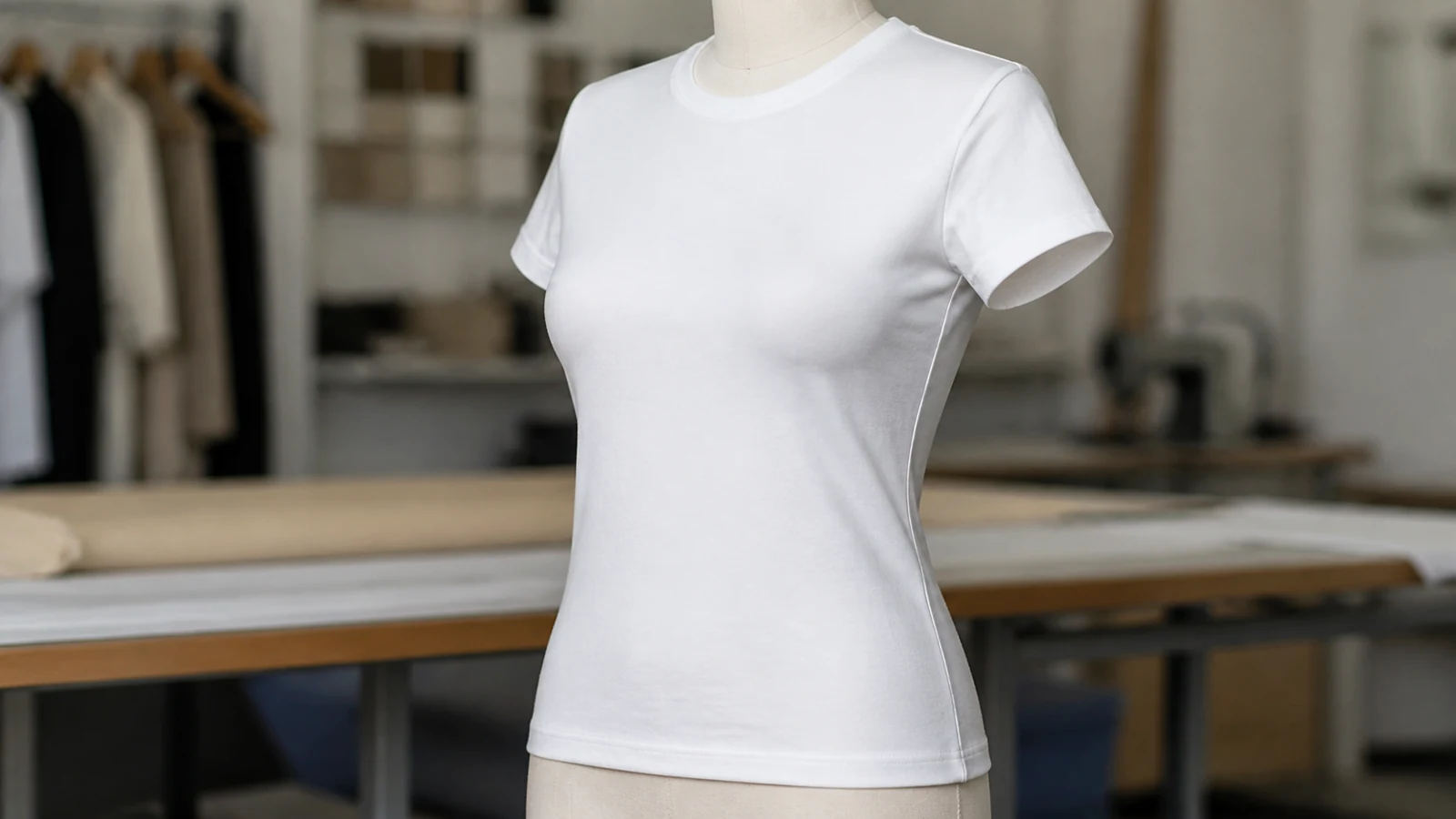
It can. Some fitted women’s tees use side seams that move inward from the bust toward the waist and open slightly toward the hem. A contoured outline is more informative when an official specification confirms that the style was designed that way.
Not every women’s T-shirt has visible waist shaping. Boxy, relaxed, oversized, and unisex-inspired styles may have a nearly straight body. Conversely, a fitted fashion tee sold for men may also taper. Compare the shape with measurements and product information rather than treating it as proof.
Are Men’s T-Shirts Usually Longer?
Sometimes, but length alone is unreliable. Men’s or unisex basics may use a longer body than a fitted women’s style, yet cropped men’s fashion, longline women’s tees, petite and tall ranges, and oversized cuts all create exceptions.
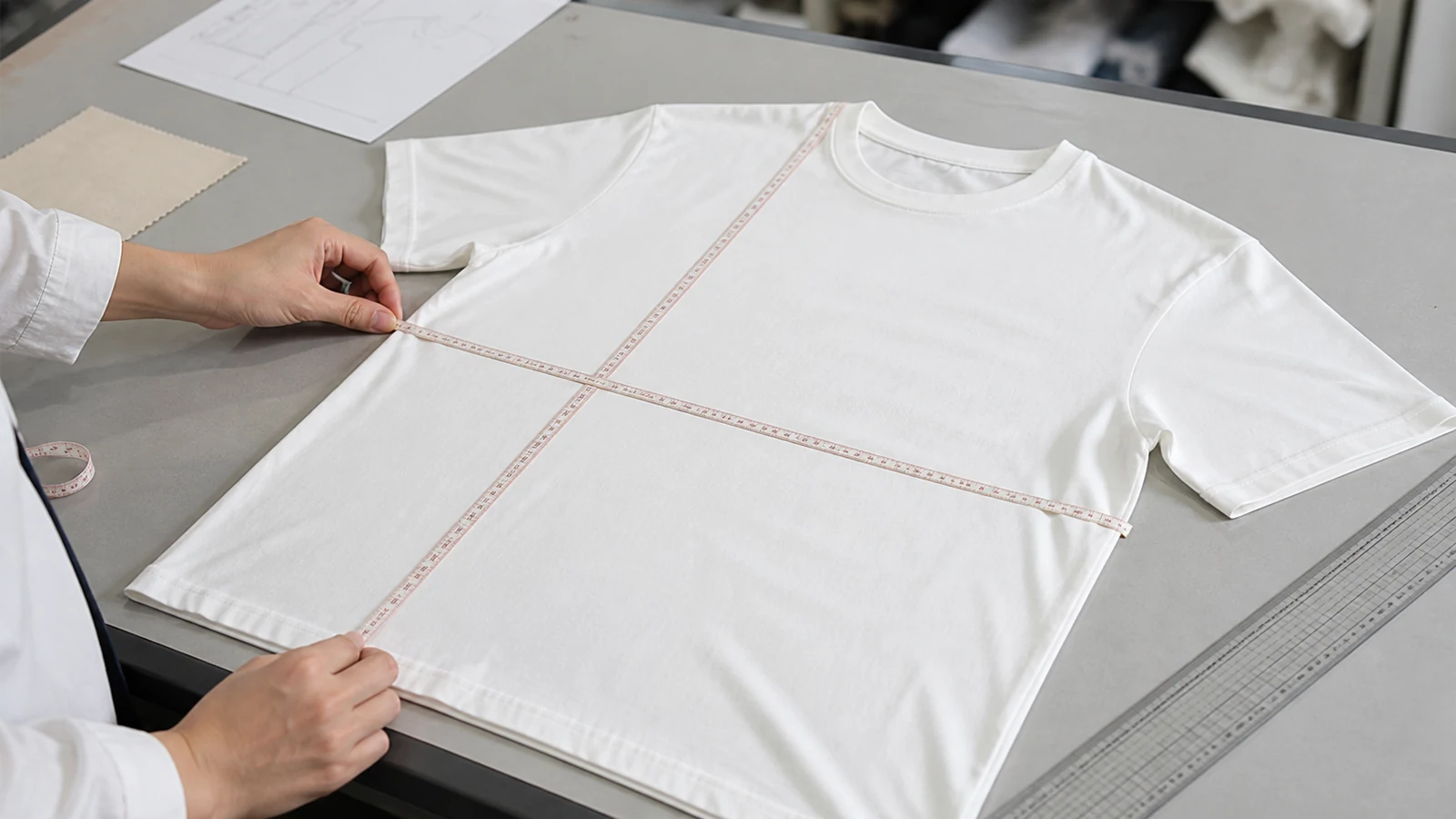
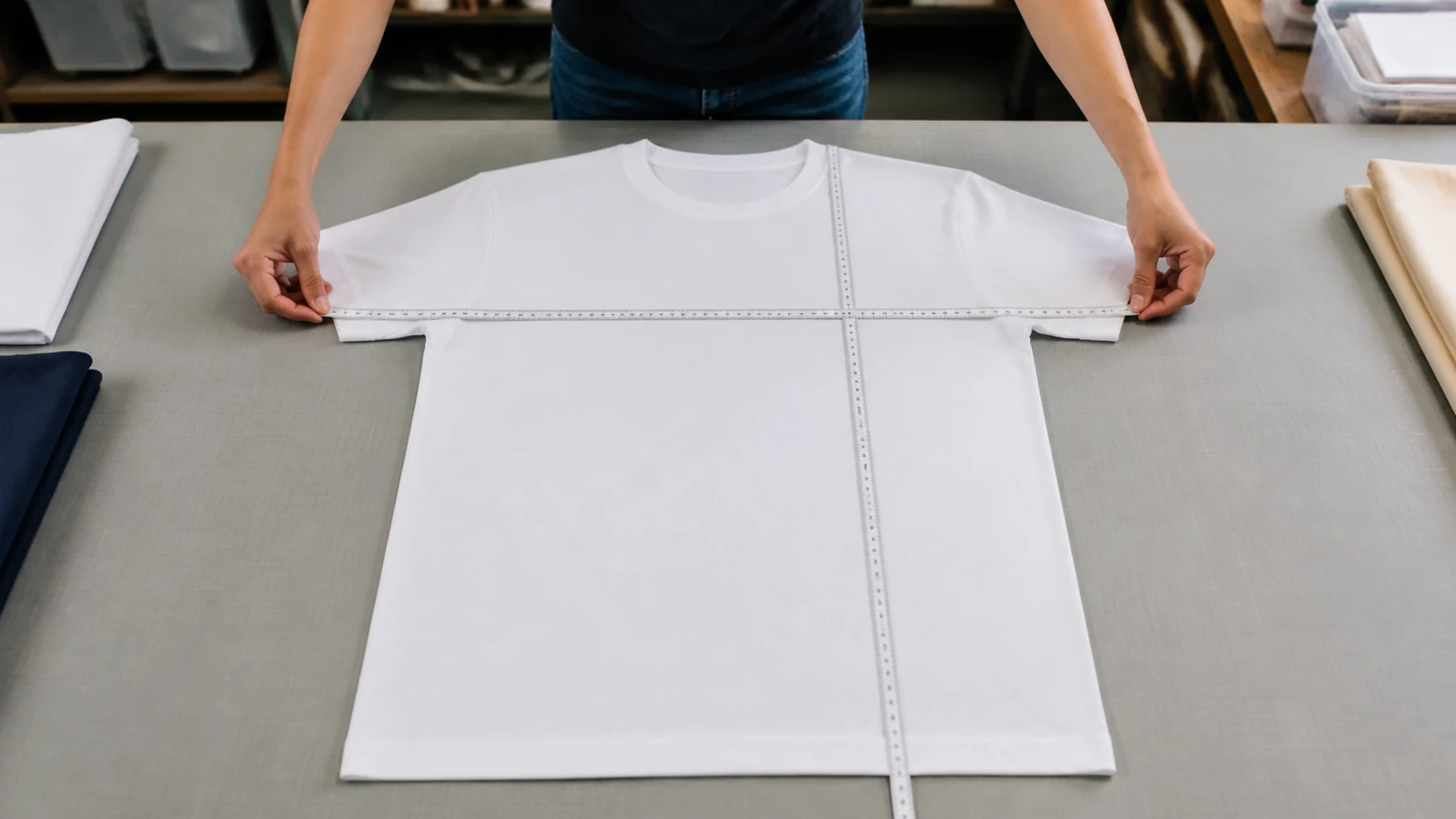
Lay the shirt flat and measure from the high shoulder point to the hem, then compare that result with the manufacturer’s garment chart. A documented length is more useful than deciding that a shirt merely looks long or short.
Do Sleeves and Armholes Look Different?
Traditional fitted women’s tees may have shorter sleeves, smaller openings, or different armhole shaping, while conventional men’s or unisex styles may offer more room. These are design tendencies, not fixed standards.
Sleeve shape changes dramatically in baby tees, boxy tees, drop-shoulder styles, and oversized garments. The armhole must also work with the shoulder position and chest ease. Use sleeve details as supporting evidence only after checking the label and measurements.
Can the Neckline Tell You If a T-Shirt Is Men’s or Women’s?
Not reliably. Crew necks, V-necks, scoop necks, and wider openings now appear across men’s, women’s, and unisex collections. Neckline depth and rib width may reveal the intended style, but they do not establish the garment category.
A low or wide neckline should not automatically be called women’s, just as a close crew neck should not automatically be called men’s. Product codes and sizing information remain stronger evidence.
What Is the Difference Between a Unisex T-Shirt and a Women’s T-Shirt?
Unisex does not mean one universal size system. It generally describes a shared base fit intended for a broader group of wearers, while a women’s-specific style may use different shaping, proportions, or size ranges. Each brand decides how those blocks are constructed.
The official BELLA+CANVAS fit and size charts separate Women’s from Men’s/Unisex specifications, illustrating how one supplier documents distinct systems. Before ordering or developing a style, compare its actual measurements rather than assuming unisex is identical to men’s.
Can You Identify a T-Shirt by Measuring It?
Measurements are much more useful than visual guessing. Lay the shirt without stretching it and record pit-to-pit chest width, shoulder width, body length, sleeve length, and hem width. Compare those figures with an official garment specification or a known shirt from the same brand.
Garment measurements are not body measurements. A size designation relates to the wearer, while the finished shirt includes ease and design decisions. This distinction matters when evaluating a fitted, regular, boxy, or oversized silhouette.
What If the T-Shirt Has No Label?
Start by comparing its measurements with official size charts or known product specifications. Then examine the complete silhouette: chest and shoulder room, waist shaping, body length, sleeves, and hem. Several consistent clues are more useful than one isolated detail.
If the original product cannot be identified, use careful language. “Appears to use a men’s-style block,” “resembles a women’s fitted tee,” or “likely unisex” is more accurate than claiming certainty that the garment itself cannot support.
Can Men Wear Women’s T-Shirts and Women Wear Men’s T-Shirts?
Yes. A product category describes its intended sizing, design block, and merchandising; it does not determine who may wear the garment. Fit depends on the wearer’s body measurements, the finished garment measurements, comfort, and desired silhouette.
Someone may choose a men’s tee for more room or a women’s fitted style for a closer outline. The important question is whether the shoulders, chest, length, sleeves, and movement suit the wearer.
Why Does This Matter When Developing Custom T-Shirts?
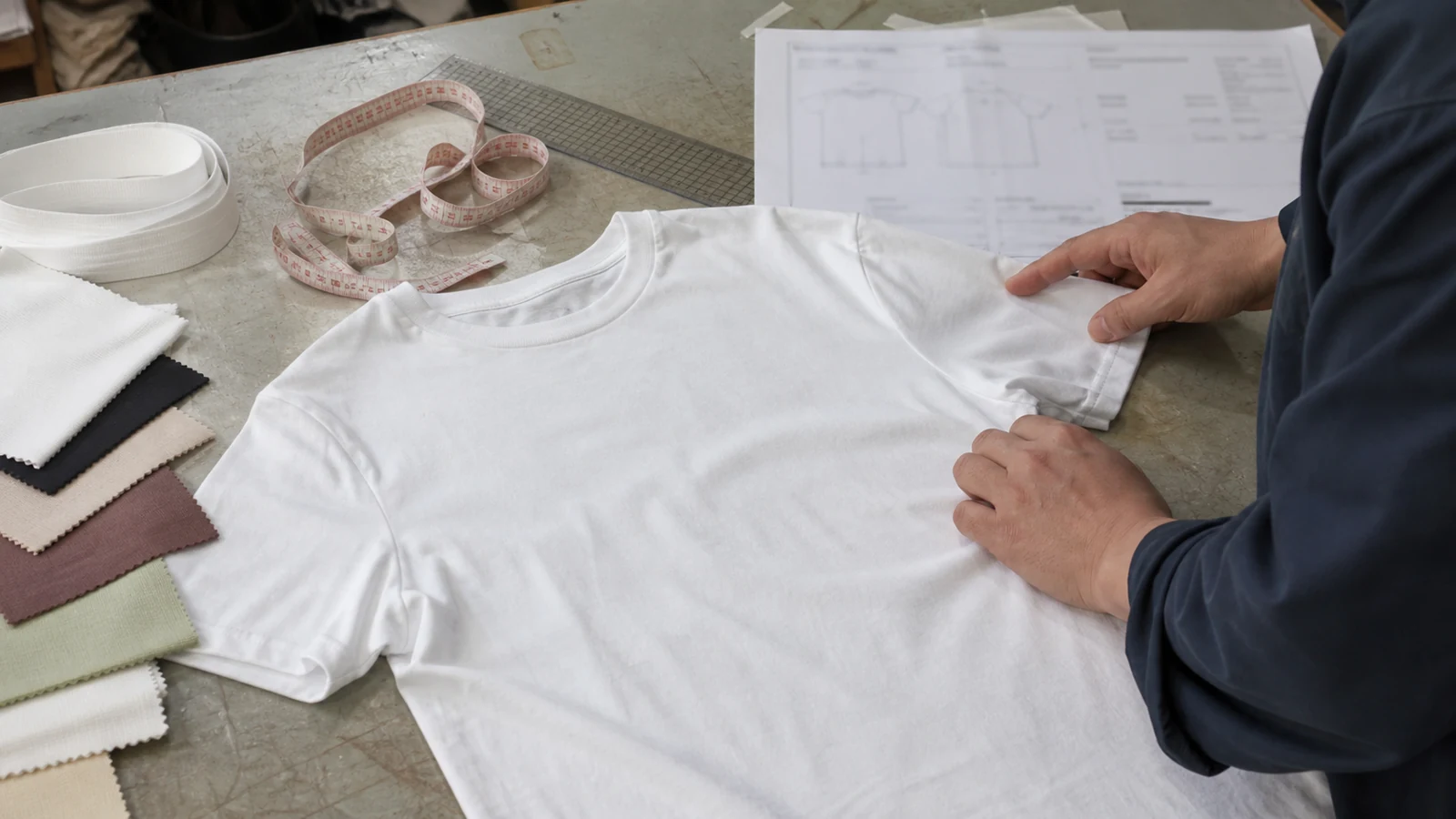
For a brand, “make it men’s” or “make it women’s” is not a complete product brief. Development is clearer when the target customer, chest width, shoulder, body length, sleeve, ease, and fit direction—regular, slim, boxy, oversized, or cropped—are defined.
The same principle applies when selecting custom T-shirts. Fabric can also alter drape and perceived fit, so the custom T-shirt fabric-weight guide is a useful decision-level companion. A documented specification gives YECHENG a stronger basis for pattern and fit preparation than a gender label alone.
Frequently Asked Questions
Do men’s and women’s T-shirts use the same sizes?
Not necessarily. Letter sizes may look identical, but their body ranges and finished garment dimensions can differ by category and brand. Compare the appropriate official size chart, then check the shirt’s actual measurements. Do not assume that a women’s M and a men’s M have equivalent chest width, length, or ease.
Are women’s T-shirts always more fitted?
No. Some women’s-specific tees use contoured shaping, but others are regular, relaxed, boxy, or intentionally oversized. Fit is a product-design choice. The label and official specification are more reliable than looking for a narrow waist or short sleeve.
Is a unisex T-shirt the same as a men’s T-shirt?
Not automatically. Some brands group men’s and unisex specifications, while others develop a distinct shared block. “Unisex” does not guarantee one shape or grading system across the market. Review the specific product’s chest, length, shoulder, and size range.
Can you tell a T-shirt’s gender from the neckline?
No neckline works as a universal indicator. Crew, V, scoop, and wide necks can appear in multiple categories. Neck shape can suggest a design direction, but it should be checked alongside the style number, size chart, garment measurements, and overall silhouette.
How do I measure a T-shirt to compare the fit?
Lay it flat without pulling the fabric. Measure pit to pit for chest width, across the shoulder seams, from the high shoulder point to the hem, and along the sleeve. Compare like-for-like measurement points with the official garment chart.
Final Takeaway
First check the label or style code, then consult the manufacturer’s size chart, and finally compare garment measurements. Shoulder width, waist shaping, length, sleeves, and neckline can support the judgment, but none is a universal indicator on its own.
Many modern tees are unisex, relaxed, boxy, or oversized, making visual guessing even less reliable. When the evidence is incomplete, describe the likely fit block rather than presenting an uncertain gender classification as fact.
Developing a T-Shirt Fit for Your Brand?
For custom product development, define fit through measurements and garment proportions rather than labels alone. Review the broader product range or contact YECHENG APPAREL to discuss the intended customer, silhouette, fabric direction, and sampling requirements.