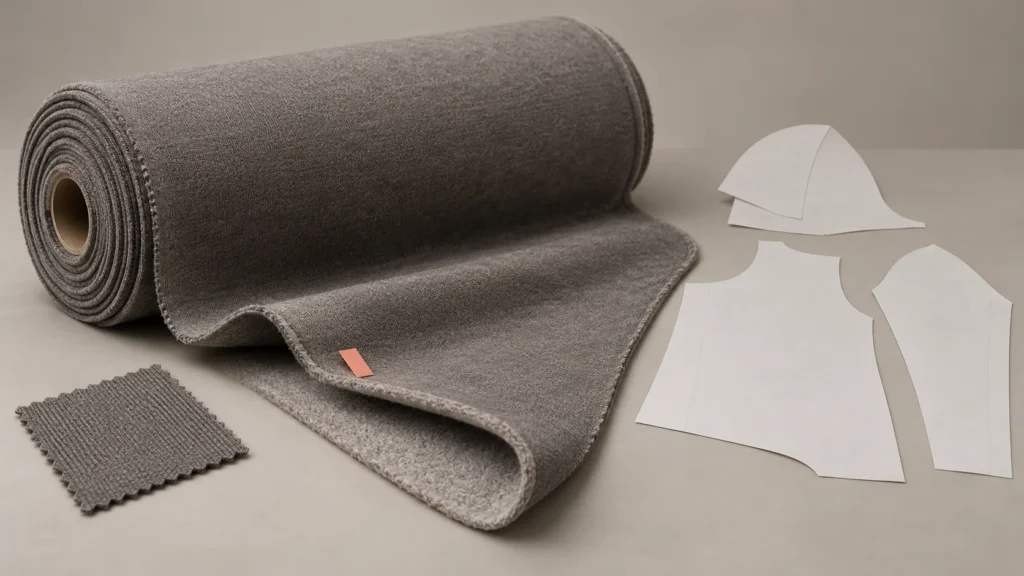
A small mark on a fabric roll can become a conspicuous flaw on the chest of a finished hoodie. If the brand discovers it only after cutting, the affected panel may need replacing, and matching it to the original shade lot may be difficult. The useful purchasing decision is therefore made earlier: agree on what will be inspected, how findings will be recorded and which rolls can enter cutting.
For a cut-and-sew hoodie order, write the roll criteria alongside the approved fabric swatch and garment specification. Ask the supplier and manufacturing partner to confirm the inspection plan before bulk fabric arrives. A general instruction to “check fabric quality” leaves too much room for different judgments.
Start with the approved fabric reference
Identify the exact fabric proposed for each hoodie component: body, hood, pocket and rib may have different specifications. Record the supplier reference, construction, fiber composition, approved color or shade reference, intended face and back, finish, target weight and usable width. Keep a physical approved swatch where practical. The fleece versus French Terry guide explains why the fabric name alone does not define the finished surface.
Separate conformity to the approved material from visible defects within a roll. A clean roll can still be the wrong shade, width or fabric. Conversely, a roll that matches the swatch may contain isolated faults that require mapping or rejection. Both questions need a decision before the cutting marker is finalized.
Agree on a visual grading method and a limit
ASTM D5430-26 describes visual examination and grading of fabrics. Its public scope says buyers and sellers may use it for acceptance of individual rolls and shipments when they agree to do so. ASTM also notes that its point-assignment options can produce considerably different results on the same rolls. Name the edition and grading option, and make sure both parties use the same one.
The purchase specification should state the inspection coverage, lighting and viewing conditions, defect recording method, scoring unit and acceptance limit. It should also say whether the decision is made for each roll, for a shipment, or for both. Do not assume a commonly quoted four-point threshold is automatically suitable for a hoodie order. Choose a limit for the fabric, design and placement risk, then agree it in writing. If only part of a lot is inspected, define how rolls are selected and what happens when a sampled roll fails.
A numeric roll score helps compare material consistently, but it cannot describe every design risk. A short yarn fault hidden inside a seam allowance and an equally sized fault across a plain chest panel have different consequences. Add placement rules to the point limit rather than asking the score to make that judgment on its own.
Define defects that need special treatment
Make a practical defect list for the approved fabric face. It might include holes, stains, oil marks, yarn faults, slubs outside the approved appearance, streaks, creases, uneven brushing, print defects or visibly inconsistent color. Agree which natural or designed variations are acceptable by comparing them with the approved swatch; a deliberate washed effect should not be judged as though it were a uniform solid color.
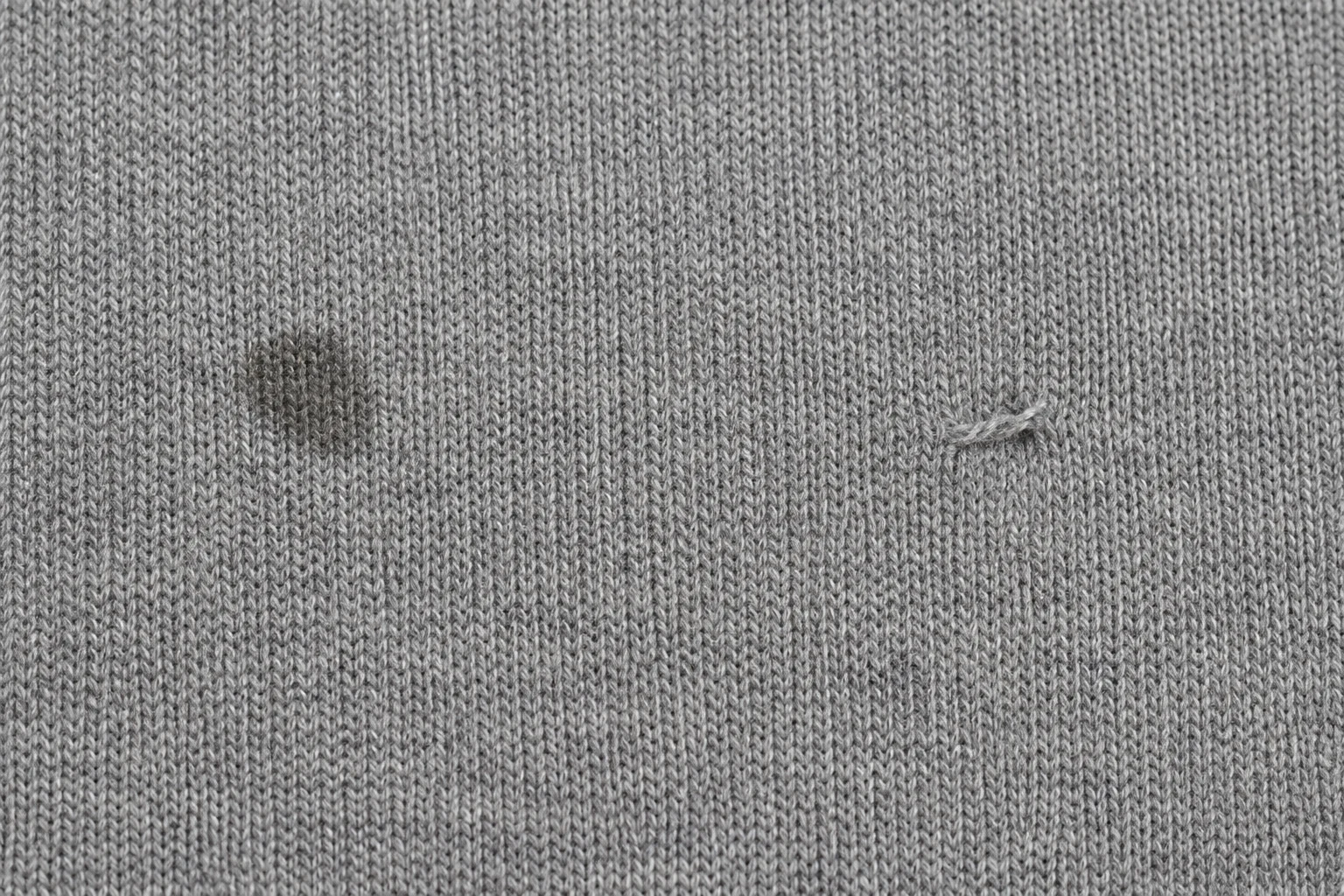
Then identify the hoodie areas where a visible fault is especially costly: the center front, upper back, hood exterior, pocket face and any clear area intended for a logo. A buyer may specify that certain defects in those areas trigger segregation or panel avoidance even if the roll’s total score passes. Ask how the inspector will mark a defect’s distance along the roll and position across its width so the cutting team can find it.
This is a project-specific decision, not a claim that ASTM assigns one defect rule to every hoodie panel. If the design uses large uninterrupted graphics or light solid colors, a stricter appearance rule may be justified. For heavily textured or intentionally distressed fabric, the approved appearance range becomes especially important.
Check usable width, shade and distortion separately
Rolls with the same nominal width may yield different cutting area. ASTM D3774-18(2024) covers measurement of woven or knitted fabric width, including usable width. Ask for the usable width required by the marker, how it will be measured and what happens if a roll falls below it. A roll can have few surface defects yet still be unsuitable for the planned panel layout.
Compare shade within a roll and between rolls against the approved color reference under agreed viewing conditions. Record dye lot and roll ID. If several rolls are acceptable individually but visibly different from one another, plan how panels will be grouped so one hoodie does not combine clashing shades. Do not treat a visual shade check as proof of colorfastness or of performance after washing.
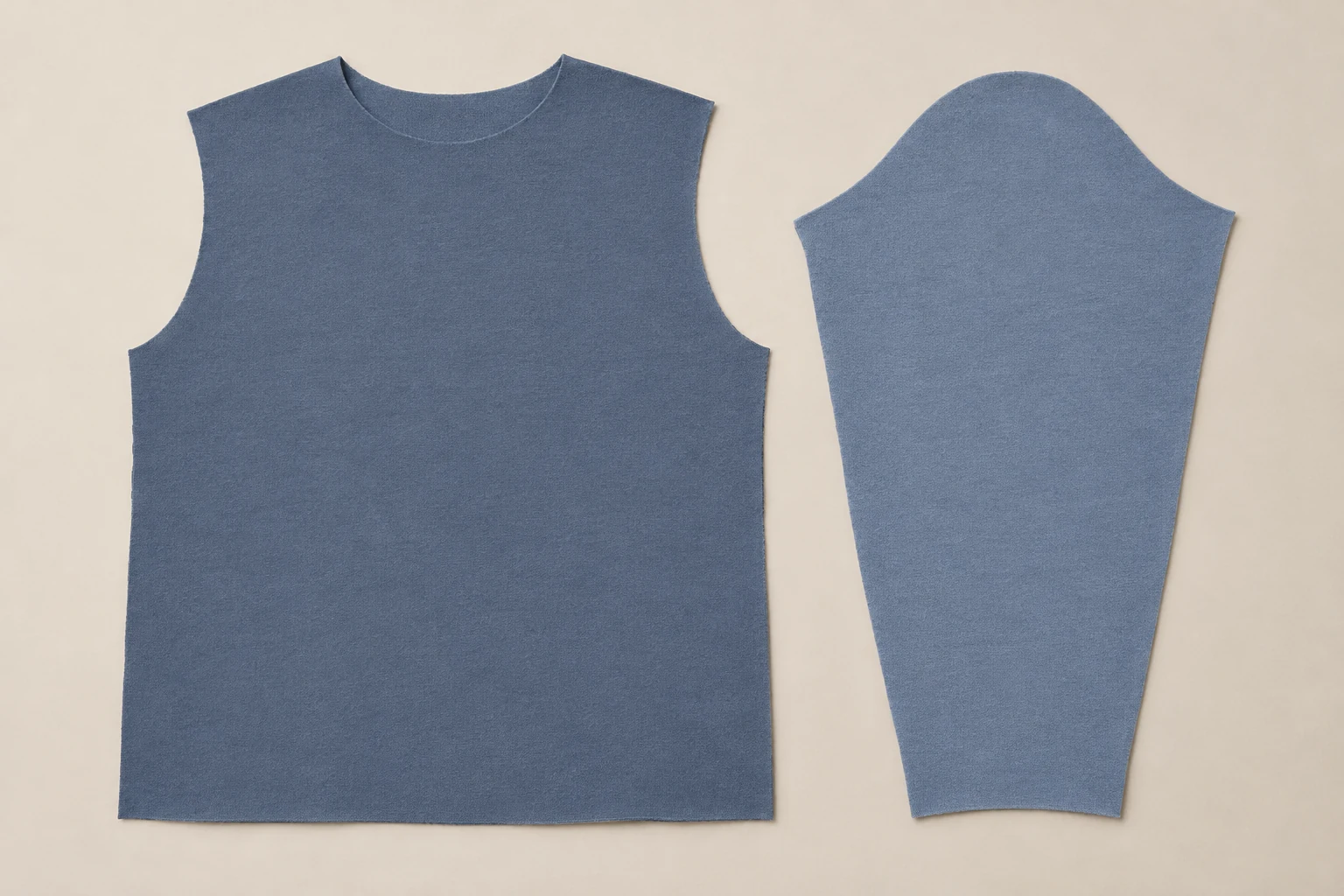
Also consider bow or skew when the fabric has stripes, a geometric print or courses that will be apparent on the garment. ASTM D3882-08(2025) covers bow and skew in woven and knitted fabrics; its public description notes that distortion can affect appearance and sewing. Set a project-specific tolerance and check the actual pattern placement. A roll that looks acceptable laid flat may produce crooked pocket or hem lines after cutting.
Keep performance checks distinct from roll grading
Visual inspection cannot establish every property needed for a hoodie. If post-wash fit matters, agree on a fabric dimensional-change test and an acceptable result. AATCC TM135-2025 determines length and width changes after home-laundering procedures and offers several washing and drying conditions. The buyer should select conditions that fit the intended care route and define the allowable change; the method description is not a universal pass percentage.
Fabric weight, color performance, surface behavior and finished-garment fit may also need separate checks tied to the approved specification. These results should sit beside the roll inspection report, rather than be inferred from a clean-looking surface. For garment development context, see the existing custom hoodie manufacturer guide.
Make the disposition decision before cutting
A useful roll report identifies the supplier, fabric, color, dye lot, roll number, inspected length, usable width, inspection method, defect locations, score and decision. Photographs can help resolve disputed appearance, but they should refer back to a marked roll and the approved physical standard.
Specify what each decision means. An accepted roll can be released to cutting. A held roll needs a named review and release decision. A roll with localized faults might be cut only if the defects are mapped and the cutting plan can avoid them without compromising shade or yield. A rejected roll needs an agreed replacement or other commercial resolution. The buyer and supplier should decide those remedies in the order terms; an inspection method by itself does not promise replacement or assign its cost.
If a fault is discovered after cutting starts, stop using the affected roll, identify the cut bundles and compare remaining material with the same criteria. Record whether replacement panels can be cut from the same shade group. This gives the team a way to contain the problem before more hoodies are assembled.
Purchase-order checklist
Before approving bulk cutting, confirm:
- The approved fabric swatch and specification for each hoodie component.
- The visual grading standard or buyer method, edition, option and agreed roll limit.
- Which defect types and visible garment zones require special action.
- Inspection coverage, roll selection and defect-location records.
- Required usable width, shade grouping and any bow or skew tolerance.
- Separate test methods, care conditions and limits for relevant performance checks.
- Who may release, hold or reject rolls, and how affected material will be handled.
Send those details with the style, colorways, artwork placement and planned quantities when requesting a project-specific review. The Request A Quote page provides an inquiry route. The goal is a documented decision on the actual rolls before a visible fabric fault becomes a cut hoodie panel.